Her recurring economic worldview is that U.
Preview how this speaker shows up across market transcripts. Unlock the full archive, AI chat, and the version personalized to your watchlist, followed channels, and favorite speakers.
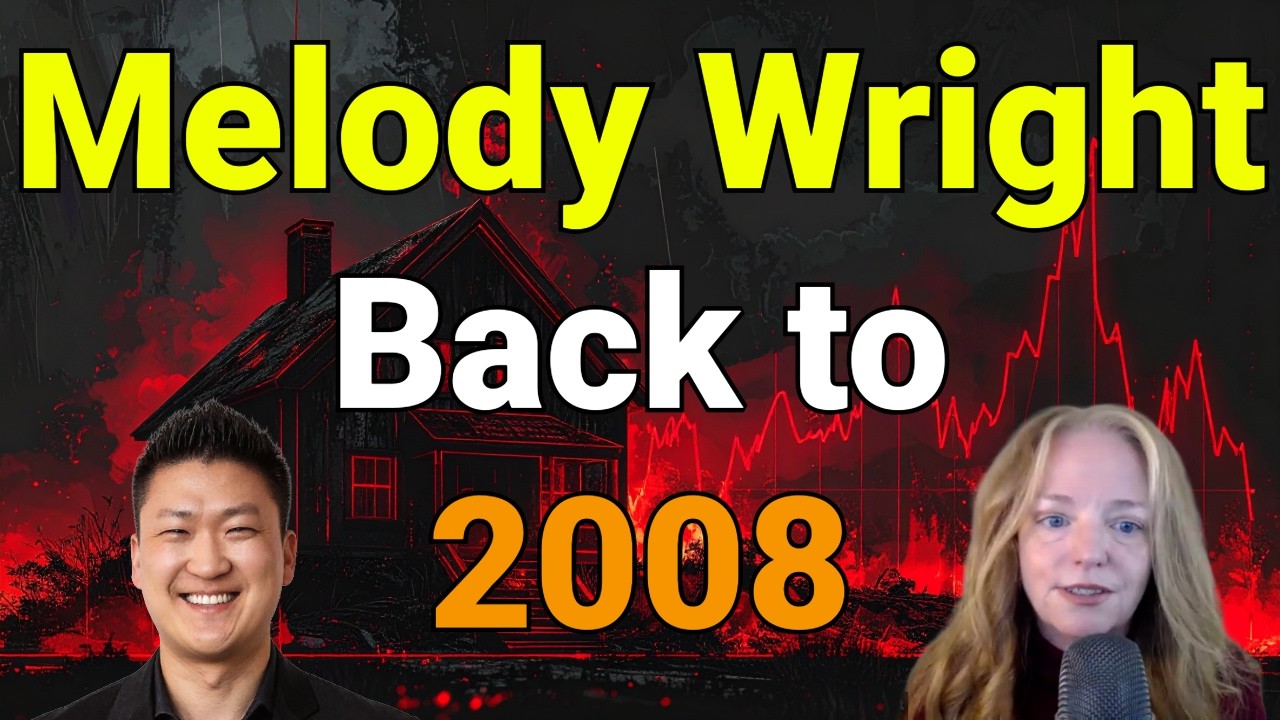
Melody Wright is a housing and macro analyst who built her current public profile from mortgage/real-estate industry experience, including work during the 2006 credit cycle and later fintech/macro commentary. In the supplied interviews she presents herself as a field-oriented researcher: she tracks dozens of housing markets, visits new-build sites and existing inventory in person, and writes on her M3 Melody Substack and X account. Her recurring focus is not just prices, but transaction volume, inventory, delinquencies, and regional divergence.
Her recurring economic worldview is that U.S. housing is structurally unaffordable and deeply distorted by speculation, intervention, and misleading headline data. She argues the market has been frozen for years because median home prices are far above what median incomes can support, with prices and activity increasingly driven by affordability limits rather than a normal cycle. She repeatedly emphasizes that housing should be treated as shelter, not an investment casino, and that institutional buying, data-center-related construction noise, government loss-mitigation, and official statistics can obscure underlying weakness. More broadly, she sees the bond market as the key macro signal, believes rising yields reflect structural stress and limited faith in policy institutions, and expects slower but continuing housing deterioration rather than a single dramatic crash. She also links housing stress to broader consumer weakness, credit deterioration, and pressure in debt markets.
Every analyzed appearance we have for this speaker, newest first. Open any transcript preview to read the underlying transcript.
Preview:Housing analyst Melody Wright argues the US housing market is in the early stages of a prolonged downturn that will likely exceed the Great Financial Crisis in severity. The spring selling season disappointed, transaction volumes remain frozen except at the high end, and early-stage mortgage delinquencies are rising non-seasonally — a red flag she calls the most concerning signal she's seen. She expects distress sales to accelerate into Q4 2026, a foreclosure wave by Q1 2027, and predicts that without institutional buyers to absorb inventory this cycle, the government may become the buyer of last resort. The conversation also covers the 18-year land cycle, the K-shaped nature of current transactions, and New York City's rent-freeze/landlord policies as a cautionary tale of government housing intervention.
Preview:Melody Wright argues the US housing market is already in a deeper correction than the mainstream recognizes because prices, incomes, and actual demand are badly out of sync. She says the market has been propped up by institutional buying, builder incentives, data quirks, and policy support, but those supports are fading as delinquencies rise, inventory is understated, and affordability has broken down.
Preview:Melody Wright argues that U.S. housing distress is moving from a concentrated FHA/subprime problem to a national one, with Q4 and especially Q1 setting up for a broader wave of defaults and price pressure. She says rising delinquencies, tighter loss-mitigation guardrails, institutional selling, and stubborn borrowing costs are now colliding with seasonal weakness, while the bond market is resisting attempts to force rates lower.
Preview:Melody Wright argues the U.S. housing market is not in a sudden crash but in a long, frozen, slow-decelerating correction. She says inventory is rising, sellers are delisting when they do not get desired prices, builder confidence is weak, and forced selling is likely to build into late 2026 as delinquencies and foreclosures flow through the system.
Preview:Melody Wright argues that the economy is being held together by manipulated narratives, especially around AI, housing, and official data, while the bond market is flashing real stress. Her core view is that rising rates, worsening delinquencies, inflated property data, gated private credit, and geopolitical noise are all signs that the real economy is deteriorating and the system is increasingly being propped up by fraud, intervention, and optimism bubbles.
Preview:A Real Estate Mindset interview argues that the U.S. housing market is in a broad melt-down, led by Texas and Florida, driven mainly by excess inventory, affordability collapse, and new-home overbuilding. The speaker also claims commonly cited housing data is unreliable or manipulated, and says foreclosure stress is rising once loan modifications and cures are counted.
Preview:Melody Wright argues that rising bond yields, weak housing and labor data, and swelling delinquency/CRE stress point to a broader U.S. funding crisis that could ultimately force debt restructuring or some move toward a gold-linked system. Her practical response is defensive: avoid debt, favor rent over buying, and hold gold and real-world resilience rather than chasing financial assets.
Preview:Melody Wright argues the U.S. housing market is frozen, not short, with rising delinquencies, investor stress, and stubborn sellers pointing to a drawn-out correction. She expects a first 10%–12% down-leg and ultimately a 35%–50% reset in many markets if prices are to realign with incomes.
Preview:Melody Wright argues that U.S. housing is moving from a frozen, subsidized market into a broader correction, with rising inventory, weakening prices, and an emerging foreclosure wave—especially as FHA loss-mitigation support rolls off. She says the stress is no longer confined to lower-quality borrowers and is beginning to show up in prime delinquency as well.
Preview:Interview focused on Melody Wright’s bearish view that the Middle East war is worsening an already fragile U.S. economy, with near-term inflation from energy shocks but a broader deflationary bust ahead. She argues housing, private credit, and the AI-led mega-cap tech complex are all showing stress, while the war and fiscal response may be accelerating a larger regime break.
Preview:Adam Taggart interviews housing analyst Melody Wright about a coming housing downturn. Wright argues that the U.S. housing market is still far from equilibrium, with prices likely to correct more sharply and over a longer period than in the GFC, driven by affordability, weak demand, demographic turnover, and rising distress.
Preview:Melody Wright argues the U.S. housing market is still very cold, with weak existing-home sales, heavy downward revisions in new-home data, rising rental vacancy, and broad affordability problems. She sees recent policy proposals—like MBS purchases and a credit-card-rate cap—as politically motivated attempts that may change rates and credit conditions, but she doubts they will solve affordability and thinks they may actually tighten lending and eventually expose more price weakness.
Preview:Melody Wright argues the U.S. economy is much weaker than headline data suggests, with housing, labor, and consumer demand all deteriorating beneath an AI-driven market narrative. Her central view is that a combination of layoffs, shrinking affordability, rising delinquencies, Medicaid and student-loan headwinds, and widespread fraud in public-private programs will expose how fragile consumption really is in 2026.
Preview:Melody Wright argues the U.S. housing market is not suffering from a true unit shortage but from a long-distorted affordability crisis that is now unwinding. She says housing has been frozen for years, the middle class has been priced out, institutions are already net sellers, and the correction could be large enough to bring median home prices back in line with median household income — roughly a 38% decline overall, with some markets worse.
Preview:Melody Wright argues the U.S. housing market is not facing a simple inventory shortage but a deeper affordability and credit-quality problem. She says talk of a 50-year mortgage is a distraction that would add interest burden without fixing the core issue: prices have run far ahead of household incomes, underwriting has loosened, and fraud/speculation have distorted comps and valuations.
Preview:Melody Wright argues the U.S. housing market is already in a broad correction and could ultimately fall much further than the 2008 cycle, with prices eventually aligning with median household incomes. She says the market is frozen by high mortgage rates, affordability stress, tight credit, investor/speculator exits, and a rising inventory of distressed sellers; policy fixes like 50-year or portable mortgages would not solve the core problem.
Preview:Melody Wright argues the US housing market is rolling into a foreclosure and credit-quality reset, not a benign soft landing. She says COVID-era forbearance, payment deferrals, FHA looseness, incomplete credit reporting, and aggressive private credit lending masked borrower stress, and she expects foreclosures, inventory, and price declines to accelerate into early 2026, with Q2 2026 becoming a housing-crisis window.
Preview:The video argues that the U.S. housing market is bifurcated, with many Sun Belt and investor-heavy metros already rolling over while demand remains weak and inventory is rising. The host and co-host Melody Wright say buyers should focus on price, not payment, and use local math and subdivision-level data to hunt for under-market homes rather than wait for a headline 'crash.'
Preview:Melody Wright argues the U.S. housing market is still working through a much larger overbuilding and balance-sheet problem than most people realize, with Dallas, the South, and parts of the Midwest/Northeast showing worsening inventory, pricing, and distress. She says builders are slashing prices, institutional owners are becoming net sellers, and short sales/foreclosures are starting to surface as underwater loans and weak demand meet higher insurance, taxes, layoffs, and poor underwriting.
Preview:This is a strongly bearish housing-market discussion arguing that U.S. home prices are already rolling over and can keep falling for a long time. The host and Melody Wright say the market is bifurcated: some metros, especially Northeast and a few constrained areas, still look firm on the surface, while speculative, overleveraged, and vacation-heavy markets are seeing sharper declines and forced price cuts.
Preview:Melody Wright (M3 Melody Substack) argues the US housing market is in a speculative bubble worse than 2008, driven by investor speculation, short-term rentals, and aggressive intervention that has frozen the market since 2023. The spring/summer 2025 selling season was abysmal — sales at 30-year lows despite 21% population growth. A critical catalyst looms: FHA loan modification programs expire October 1, which she expects will push distressed borrowers over the edge, with meaningful foreclosure impacts by Q1-Q2 2026. New home prices have inverted below existing home prices for the first time since 2012, and builders are slashing prices via incentives. She sees a multi-year correction ahead and advises first-time buyers to stay patient.
Preview:Melody Wright argues the U.S. housing market has already turned and is entering a multi-year correction that will keep grinding lower, with 2025 likely a down year nationally and further weakness into 2026. She says the “housing shortage” narrative is false, inventory is building from investors, boomers, distressed sellers, and abandoned projects, and the weakest segments are spreading from Texas/Florida and resort/Airbnb markets into California, the Midwest, and the Northeast.
Preview:Melody Wright and host Travis discuss their bearish outlook on the US housing market, arguing that government intervention, fraudulent appraisals, inflated Zillow estimates, and unregulated private lending have created a false floor under prices. They contend foreclosure starts are rising (~36% YoY), "buy now pay later" debt has created a hidden credit crisis, and the resumption of student loan payments combined with FICO revisions is crushing young adults. Their core thesis: nominal home prices could fall ~19% or more, the housing market is a slow-moving Titanic heading for a sink, and Americans are trapped in a system of debt slavery that will accelerate as stimulus runs dry.
Preview:Melody Wright argues the U.S. housing market is weakening because affordability is broken, not because rates are simply too high. She says prices are still sticky, but inventory, distress, credit tightening, and seasonal weakness are setting up a slower but potentially sharper second-half 2025 decline.
Preview:A Real Estate Mindset interview argues that U.S. housing is entering an unavoidable, prolonged correction because prices are far above incomes, buyers are tapped out, inventory is rising, and distress is beginning to show up in delinquencies and loss mitigation. Melody Wright says the market is no longer being supported by real demand; instead it has become speculative, overlevered, and vulnerable to a broader credit unwind.
Preview:Travis and Melody Wright argue that U.S. housing is being pushed into a new subprime-style stress cycle by lax mortgage underwriting, opaque default reporting, and post-disaster or new-build foreclosure pockets. Their core claim is that Fannie Mae, Freddie Mac, the Fed, FHA, and VA incentives have encouraged excessive debt-to-income lending, while mainstream delinquency data understate the true problem. Melody’s view is that the housing market is already toxic on both price and payment, and the narrative is only now starting to catch up.
Preview:Melody Wright argues the U.S. housing market is in a massive bubble driven by speculation, financialization, and distorted inventory data—not just mortgage rates. She says existing-home sales are worse than 2008 on a nonseasonally adjusted basis, affordability is at lifetime extremes, and the market is beginning to price in declines as foreclosure-related interventions fade.
Preview:The video argues that U.S. housing distress is being understated by major data providers, with the host and guest claiming foreclosure starts, delinquencies, zombie foreclosures, and natural-disaster-related mortgage stress are materially worse than the mainstream narrative suggests. The core thesis is that FHA, VA, and some portfolio loans are showing rising trouble, and that 2025 will bring more visible foreclosures as temporary workouts, moratoria, and other stopgaps run out.
Preview:Melody Wright argues the U.S. housing market is already deeply unhealthy, with new-home supply elevated, existing-home sales weak, and affordability so stretched that small mortgage-rate moves no longer change the setup. She frames 2025 as a year of rising distress, more listings, and weaker price discovery rather than a quick rebound.
Preview:Housing analyst Melody Wright joins Adam Taggart for a special report arguing that US home prices are about to enter a sustained decline. After analyzing December 2024 data, she now forecasts a 9% national price drop in 2025 (per NAR series) and ~6% (census series), with further declines through 2026 and a multi-year washout. Her thesis: distress selling is replacing motivated selling; massive inventory overhang from builders, multifamily completions, and capitulating landlords is colliding with collapsing affordability; and the "housing shortage" narrative is a myth — two recent academic studies argue we've built 3.3M more homes than households. She warns this will be worse than the 2008 GFC because Wall Street won't absorb the inventory this time, and municipalities face potential bankruptcies from lost tax revenue and blight.
Unlock every transcript this speaker appears in, compare them with your other followed voices, and ask the agent for the bull, bear, and consensus read in one workspace.
Type a question. Create a free agent to send it and keep the answer linked to this speaker.
Your question is preserved across sign-in.
Free. No card. Takes about a minute.