commodity squeezes and market volatility driven by macro tensions
📈 See how Nomi Prins's thesis changed over time →Preview how this speaker shows up across market transcripts. Unlock the full archive, AI chat, and the version personalized to your watchlist, followed channels, and favorite speakers.
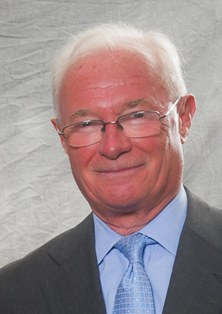
Nomi Prins is a macro/markets commentator, former Wall Street executive, author, and founder of Prinsights Global. Across the supplied interviews she presents herself as an analyst of the gap between finance and the real economy, with recurring focus on central banks, debt, inflation, and precious metals. Her commentary repeatedly links macro policy to physical commodity markets and to the behavior of institutions such as the Fed, banks, and sovereign reserve managers.
Her recurring economic worldview is that financial markets are increasingly detached from physical reality and that this distortion is structural, not temporary. She argues that the Fed and other central banks are central backstops for debt and markets, and that rates will ultimately be adjusted to preserve debt service and system stability. She sees inflation as driven less by abstract money supply alone than by real-world supply shocks, geopolitics, and commodity constraints. In her framework, paper markets can suppress or distort prices for metals like silver and gold, but physical scarcity, central-bank buying, and industrial demand ultimately reassert themselves. This leads her to favor hard assets—especially gold, silver, copper, and uranium—as long-term beneficiaries of the “permanent distortion” between finance and the real economy.
Every analyzed appearance we have for this speaker, newest first. Open any transcript preview to read the underlying transcript.
Preview:Dr. Nomi Prins discusses the macro environment, arguing that short-term oil-driven volatility is creating a disconnect between paper gold/silver markets and real physical demand. She sees lower oil prices reducing inflation fears and Fed rate-hike expectations, which is bullish for gold and silver. Her key targets: gold back to $6,000 and silver back to $120 by year-end, driven by persistent physical demand, central bank buying, and the extreme disparity between paper trading volumes and actual mined supply.
Preview:Nomi Prins joins Sprott Money's monthly "Ask the Expert" segment to argue that gold and silver are in a historic supercycle driven by structural deficits in physical supply, central bank gold accumulation (especially China's shift from Treasuries to gold), and the Fed's fundamental inability to control real-asset inflation. She contends the Fed's mandate to maintain financial stability will always override inflation-fighting rhetoric, making recent gold weakness on rate-hike fears a temporary distortion. She supports the thesis with historical parallels to 1907 and 1929, long-term return data showing gold's purchasing-power preservation, and the massive paper-to-physical disconnect in silver ETFs like SLV.
Preview:Nomi Prins argues that the market is being misread through short-term headlines: oil spikes, war headlines, and Fed fear are creating volatility, but the underlying setup remains bullish for hard assets—especially gold, silver, copper, and uranium. Her core view is that inflation should trend lower from the oil-driven spike, the Fed is effectively backstopping the long end of the curve, dollar strength is partly artificial, and structural demand/supply imbalances plus central-bank gold buying point to higher commodity prices over time.
Preview:Nomi Prins lays out a commodity-focused macro thesis: oil's decline from $138 to $70-80 means inflation will fall in upcoming CPI/PPI prints, which will allow the Fed to soften its hawkish rhetoric. This will reverse the "paper market" sell-off in gold and silver and unlock value in underperforming uranium and copper miners. She sees the biggest opportunities in uranium equities, copper junior developers, and pure-play silver miners, while recommending zero allocation to cash, bonds, or energy stocks.
Preview:Michelle Makori interviews economist Nomi Prins about the Iran flare-up, oil, dollar dominance, and precious metals. Prins argues the conflict is mostly a short-term market shock layered on top of a bigger structural story: commodity warfare, de-dollarization pressure, central-bank gold buying, and a persistent supply shortage in high-quality gold and silver.
Preview:Dr. Nomi Prins argues that paper-market selling has created extreme distortions in metals, with silver the most suppressed relative to physical reality. She sees the greatest opportunity in pure-play silver miners, copper juniors, and uranium miners (which have lagged the commodity price). On gold, she cites central bank buying and a 5:1 appreciation vs. cash. Oil is rangebound $70-80s, with South American producers offering dividend-rich plays. The core thesis: physical supply deficits will ultimately overpower paper-market noise across metals and energy.
Preview:Nomi Prins argues that the global monetary system has entered a permanent distortion era where real assets matter more than paper claims, and that gold, silver, copper, uranium, and other hard assets benefit from debt growth, de-dollarization, and supply-chain lockouts. She says the recent pullback in precious metals is a tactical opportunity inside a longer commodity super-cycle, not a thesis change.
Preview:Nomi Prins argues that the Iran war has shifted commodity markets from panic to a new normalization: oil is likely to stay in a $70-$80 range rather than collapse, inflation should ease if energy stays lower, and the biggest trade is not just oil but the broader geopolitical re-wiring of supply chains, reserves, and reserve assets. She sees foreign central banks steadily reducing reliance on U.S. Treasuries, increasing gold allocations, and pushing the system toward a more gold-backed, collateral-oriented regime.
Preview:Nomi Prins, interviewed at the 2026 Rule Symposium, argues that paper-market selling in gold and silver is disconnected from the physical supply/demand deficit. She remains structurally bullish on precious metals and copper, sees the post-January selloff as a "mini storm" to ride out, and highlights junior miners (Headwater Gold, First Majestic, Aya Gold & Silver) as beneficiaries of the physical deficit. She promotes her Substack research service but offers no new data or specific catalysts beyond on-the-ground anecdotes.
Preview:Nomi Prins, interviewed by Daniela Cambone at the Rick Rule Symposium, reaffirms her $6,000/oz gold target by year-end, arguing that paper-market-driven selling in Q2 has exhausted itself and short-covering will propel gold from ~$4,100-4,200 back toward and above the January high of ~$5,500. She sees inflation trending down from ~4% toward ~2.9%, no Fed rate hikes (possibly a 25bp cut before midterms), and central bank buying continuing as the highest-conviction anchor. Silver (SLV) suffered severe paper distortion — daily ETF volume equivalent to 50M oz vs only 820M oz annual mine supply — but she maintains the $120 year-end target. On gold-linked Treasurys, she says conversations are happening in DC but no near-term action.
Preview:Nomi Prins argues the Iran war has created lasting supply-chain distortions that favor hard assets and select commodities, especially copper, silver, aluminum, tungsten, uranium, and certain miners. Her core view is that central bank and Treasury intervention will cushion risk assets, but the bigger trade is in commodities and processing bottlenecks where supply is structurally constrained.
Preview:Dr. Nomi Prins argues that the Iran/Middle East shock is keeping energy prices, inflation expectations, and commodity volatility elevated, but that the bigger structural story is a long-run revaluation of hard assets—especially uranium, copper, silver, geothermal, and gold. She is constructive on producers and miners with secure jurisdictions and on assets tied to base-load energy and electrification, while seeing central banks increasingly using gold as a reserve diversifier away from the dollar.
Preview:Panel discussion at VRIC argues that the world is undergoing a structural monetary reset, with gold increasingly used as a neutral reserve asset and settlement layer as trust in fiat, sanctions regimes, and the post-1945 order erodes. The speakers disagree on whether this ultimately re-centers gold, a fragmented multi-block system, or even a stablecoin-led re-dollarization, but all broadly expect higher gold prices and a stronger role for hard assets.
Preview:Panelists argue the U.S. economy is much weaker than headline GDP suggests, with spending distorted by equity gains, lower imports, and K-shaped consumer behavior. They expect easier Fed policy, a weaker dollar, and a favorable backdrop for gold and other hard assets, while disagreeing on how much of the administration’s fiscal stimulus and tax refunds will actually matter.
Preview:Nomi Prins argues the precious-metals bull market is still early, with silver and gold supported by persistent supply deficits, rising physical demand in Asia, and geopolitical de-dollarization pressures. She sees the recent sharp selloff as mostly a paper-market/liquidity event rather than a thesis break, and says the big picture still points higher for gold, silver, and broader critical minerals.
Preview:Nomi Prins argues the move into gold, silver, platinum, copper, and miners is not just a panic trade but the start of a structural commodity supercycle driven by supply shortages, sovereign diversification, and weakening trust in fiat and institutions. She sees hard assets outperforming financial assets for months and likely years, while acknowledging sharp pullbacks and profit-taking can happen along the way.
Preview:Nomi Prins lays out a bullish thesis for gold ($6,000 by end-2026) and commodities broadly, driven by central bank de-dollarization, supply-chain concentration in critical minerals (cobalt, copper, silver), and an upcoming Fed leadership change in May that she expects will bring lower rates and possibly QE — weakening the dollar. She argues oil is uninteresting due to abundance, views current 2.7% inflation as normal and not primarily rate-driven, and sees commodities outperforming equities again this year with gold potentially beating the S&P 500 by more than 5x.
Preview:Nomi Prins argues that 2026 will be defined by geopolitical commodity warfare, with silver and other hard assets likely to outperform broad equities amid supply restrictions, industrial demand, and policy-driven stockpiling. She expects the S&P 500 can still rise modestly, but with frequent volatility spikes and stronger relative upside in commodities and miners.
Preview:This is a holiday livestream from Rule Investment Media that begins with Rick Rule’s seasonal greeting and then turns into a long, mostly bullish discussion of precious metals, copper, uranium, and select mining equities. The panel’s core message is that 2025 was a breakout year for real assets and that 2026 could extend the move, with silver, gold, platinum, and copper all framed as beneficiaries of supply deficits, central-bank buying, geopolitical risk, and growing investor interest.
Preview:Dr. Nomi Prins discusses China's Shanghai Gold Exchange launching new offshore gold vaults in Hong Kong, Singapore, Zurich, and Dubai — framing it as a deliberate move to shift the center of the global gold trade eastward, accelerate de-dollarization, and establish yuan-driven financial infrastructure. She sees this as part of a 10-year strategic sequence, not an accident. Gold is forecast to reach $4,500/oz around the 2025-2026 turn, and silver to $60. Central bank buying, supply constraints, and jurisdictional neutrality all support higher prices. The West is aware but slow to respond.
Preview:Nomi Prins joins Craig Hemke on Sprott Money's monthly wrap-up to discuss Fed independence under threat, the likelihood of accelerated rate cuts, and a structural bull case for gold ($4,000 by year-end, $5,000 by end-2026), silver (just designated a critical mineral alongside copper), uranium, and rare earths. She argues the lines between Treasury and Fed are already blurred historically, that Trump/Bessent will push for a compliant Fed chair by May 2026, and that policy tailwinds plus central bank buying create a multi-year commodity super-cycle favoring junior miners in allied jurisdictions.
Preview:Nomi Prins, interviewed by Steve Barton at the 2025 Rule Symposium, lays out a macro view of a slowing US economy (negative Q1 GDP, rising unemployment to 4.4%, record consumer debt) alongside new highs in hard assets. She sees gold reaching $4,000 by year-end, silver breaking out on a 200M oz supply deficit, copper benefiting from potential 50% tariffs and strategic-metal status, and uranium/rare earths as long-term plays. She expects 75-100 bps of Fed rate cuts starting by fall, possibly accompanied by QE, but warns the 10-year yield will remain stubborn.
Preview:Dr. Nomi Prins argues that gold, silver, uranium, copper, and rare earths are entering a new regime she calls a “real asset uprising,” driven less by inflation alone than by geopolitics, supply-chain control, and government policy. She is constructive on the whole complex, with gold as the clearest monetary anchor, silver as both a safe-haven and industrial metal, and uranium/copper/rare earths as strategic inputs tied to energy, defense, and industrial policy.
Preview:Dr. Nomi Prins sits down with Kitco's Jeremy Szafron at the Rule Symposium 2025 to argue that the "permanent distortion" between financial markets and the real economy has only deepened. She makes the case that central bank gold buying is creating a new monetary anchor, that policy tailwinds and supply constraints are converging to push copper, uranium, and rare earths higher, and that the Fed is paralyzed between tariff-driven inflation and a weakening economy — setting up stagflation and a continued rotation into hard assets. She reiterates her $4,000 gold target for end-of-year and frames the geopolitical restructuring of payment systems, not a single BRICS currency, as the real dollar-alternative story.
Preview:Nomi Prins argues gold is now more than a safe haven: it has become a core reserve, diversification, and power asset as central banks, state banks, insurers, and sovereign funds keep buying. She says COMEX can still move prices at the margin, but real physical demand makes sustained manipulation harder, and she sees a broader commodity bull market led by gold, silver, copper, uranium, and selected miners.
Preview:The video argues that China is not literally “resetting” gold’s price, but it is building a longer-term monetary and payments architecture that could make gold more central to trade, reserves, and settlement. Nomi Prins says the real story is China accumulating gold, reducing U.S. Treasury exposure, and pushing eastward financial channels through Hong Kong, Shanghai, BRICS, and digital payment systems. She also pushes back on the viral claim that July 1, 2025 will magically reprice gold under Basel 3, saying that date is overstated and that U.S. regulators have not adopted gold as a liquidity asset in that way.
Preview:Nomi Prins, geopolitical financial expert and PhD economist, joins maneco64 to discuss gold's accelerating role in the international monetary system. She argues central bank buying, Basel III reclassification of gold as a high-quality liquid asset (HQLA), and US state-level legal tender laws are combining to push gold toward $4,000 by 2026 and $5,000 by 2027. The conversation covers BRICS de-dollarization, the upcoming Rio summit, Trump's tariff uncertainty as an accelerant, and why silver lags gold despite the historically wide gold-silver ratio.
Others tracked across the same asset focus or market thesis.
Unlock every transcript this speaker appears in, compare them with your other followed voices, and ask the agent for the bull, bear, and consensus read in one workspace.
Type a question. Create a free agent to send it and keep the answer linked to this speaker.
Your question is preserved across sign-in.
Free. No card. Takes about a minute.