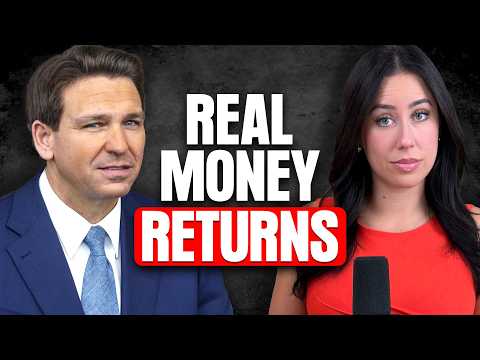
A market interview focused on the Iran-driven oil shock and its spillovers into inflation, gold, silver, credit, and equity leadership. The guest argues the key variable is duration: a quick reopening of the Strait would ease the damage, but a prolonged disruption would reinforce a broader commodity bull market and keep rates/inflation elevated.
Watch on YouTube ›Get the market thesis, key claims, assets, contradictions, and follow-up questions from any financial video — then unlock a version personalized to your portfolio, watchlist, and favorite speakers.
This transcript is a live market interview led by an ITM Trading host with Peter Bookbar, chief investment officer at OnePoint BFG Wealth Partners and editor of The Book Report. The discussion begins with the immediate market reaction to the widening Iran conflict: stocks are falling, U.S. crude has surged above $100 and briefly near $120, and fears are building around supply disruptions and inflation. Bookbar’s central thesis is that the market impact depends almost entirely on duration. If the Strait reopens quickly, prices should ease and the market can move on; if the disruption persists for weeks, oil and other commodities could continue higher. …
Tactically, the setup is a high-volatility oil shock: if the Strait reopens quickly, crude and related inflation trades can retrace fast; if not, energy and commodity longs stay bid while airlines and rate-sensitive assets remain vulnerable.
Over the next few weeks, the key question is whether the disruption becomes a sustained commodity/inflation impulse or a one-off spike. Confirmation would come from persistent shipping friction, higher reserve demand, and sticky fuel prices; invalidation would be a rapid de-escalation and reversal in crude.
Structurally, the transcript argues we are in a broader commodity and de-dollarization regime, with geopolitical risk reinforcing demand for hard assets and keeping policy rates under pressure. AI infrastructure may remain important, but the durable equity winners may shift from builders to users if the buildout matures.
The duration of the oil disruption is the key driver of the market impact.
The speaker repeatedly says prices depend on how long the conflict lasts and whether the Strait reopens quickly.
A prolonged conflict would lift not just oil but also natural gas, fertilizers, and aluminum-related shipments.
He broadens the shock to multiple commodities and industrial inputs routed through the region.
Gasoline and jet fuel prices are already rising, which will hit consumers and travel costs.
He cites AAA gasoline increases and says jet fuel has risen even more sharply.
What are your thoughts on oil prices now that US crude is above $100 amid the Iran conflict?
Peter says it all comes down to duration — how long the conflict lasts is impossible to game out. He notes that the successor to Khamenei being his son likely prolongs the conflict, but expects pressure from Middle Eastern neighbors on Iran. He also highlights knock-on effects beyond oil: natural gas, fertilizers, and aluminum from the region are disrupted too.
Is it too premature to talk about what the oil spike will do to inflation and hyperinflation?
Peter agrees it depends on duration. He notes gas prices have risen about 50 cents since the attack, but if the strait reopens, prices will get relief. However, he believes the reopening won't end the commodity run to the upside — this reinforces that we're in a commodity bull market expanding into oil, gas, and agriculture.
Should people plan their summer vacations now or wait — how will this affect airfare prices?
Peter says jet fuel prices have skyrocketed, so airfare will be expensive. But if the strait opens, prices will come back down. He points out that crude oil futures show the December contract trading near $70 vs the front month at $95, suggesting the market expects a reopening. Timing a vacation in advance is impossible to predict.
Unlock the full claims, asset map, scores, related transcripts, follow-up questions, and AI chat — shaped around your portfolio, watchlist, favorite speakers, and risks.