TranscriptAgent
Try it free
TRANSCRIPTAGENT.AI · transcript analysis

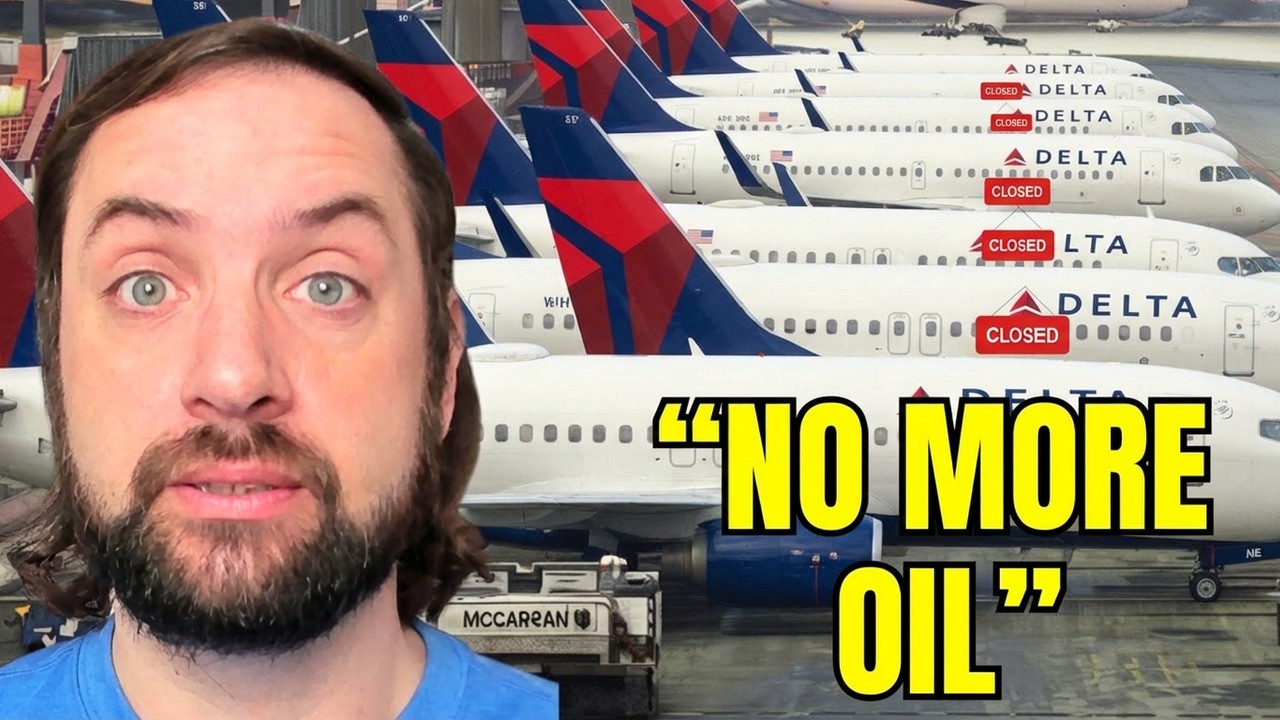
"Jet Fuel Is Running Out" The Airline Collapse No One Is Pricing In

Channel: Eurodollar University Published: 2026-04-07 20:07
Eurodollar University

The speaker argues that a shutdown or severe disruption of the Strait of Hormuz is already causing a global jet fuel shortage, with airlines in Asia, Europe, and the U.S. responding through route cuts, fuel restrictions, and fee hikes. He frames this as a historic supply shock that will reduce flight volume, hurt growth, and likely create demand destruction rather than sustained inflation.

Watch on YouTube ›

Get the market thesis, key claims, assets, contradictions, and follow-up questions from any financial video — then unlock a version personalized to your portfolio, watchlist, and favorite speakers.

Detailed summary

This transcript is a focused argument that the energy shock triggered by the blockade/disruption of the Strait of Hormuz is already showing up first in aviation, especially jet fuel. The speaker says airports and airlines are cancelling flights because fuel shortages are worsening, and cites the IEA chief as warning the crisis could be worse than 1973, 1979, and 2022 combined. He argues that the world is operating on existing inventories and that without new crude deliveries, refiners—especially in Asia—will have to scale back production, causing rationing and shortages to deepen. A large portion of the segment is devoted to examples: Asian airlines cutting flights, South Korean carriers warned to plan for fuel restrictions, airports in Italy imposing jet fuel limits, and U.S. carriers including Delta, United, and JetBlue raising bag fees. …

🔒 The full detailed summary continues — read all of it free with an account. Read the full summary →

Main takeaways

  1. Jet fuel is presented as the first visible casualty of a Hormuz-related supply shock.
  2. Airlines are responding with fee hikes, route pruning, and cancellations rather than absorbing costs.
  3. The speaker’s core thesis is demand destruction: higher energy costs reduce volume more than they raise inflation.
  4. The oil curve is described as split between panic in the front month and optimism in deferred contracts.
  5. Even a quick diplomatic resolution would not instantly restore normal fuel flows or airline operations.

Market read by horizon

Short term

Near term, the setup is about panic pricing in jet fuel and the risk of more flight cancellations, bag-fee hikes, and route cuts. Any diplomatic de-escalation could produce a fast relief rally in front-month energy contracts, but until then the aviation sector remains exposed.

  • Watch for more airline fee hikes, route cuts, and flight cancellations as fuel availability tightens.
Show more
  • The immediate risk is especially acute for Asia and parts of Europe where fuel restrictions are already appearing.
  • Front-month oil and jet fuel pricing can stay dislocated if importers keep panic-buying near-term supply.
Mid term

Over the next few weeks to months, the likely path is weaker travel demand, more capacity reductions, and growing evidence of demand destruction as carriers and consumers absorb higher fuel costs. The thesis weakens if inventories and alternate routes prove sufficient to stabilize fuel flow faster than expected.

  • Over the next several weeks, the key question is whether fuel rationing and refinery constraints force broader reductions in flight capacity.
Show more
  • If the shortage persists, airline margins should continue deteriorating and the industry may increasingly cut less profitable routes.
  • The base case in the speaker’s framing is slower travel demand and weaker activity, not a lasting inflation impulse.
Long term

Structurally, the video argues that major energy chokepoints can transmit into the real economy through logistics, employment, and trade before they show up as classic inflation. The long-run implication is that energy security and supply flexibility are central macro risks, not just commodity-trading narratives.

  • The transcript argues that large energy supply disruptions behave like a shock to real activity, not just prices.
Show more
  • If correct, the lasting implication is that energy security and supply-chain redundancy matter more than headline inflation prints suggest.
  • The speaker frames this as evidence that central-bank inflation models miss how shortages suppress volume and employment.
Unlock the full horizon read See the full short-term, mid-term, and long-term implications with confirmation and invalidation signals. Unlock horizon read

Key claims (8)

BEARISH energy shock airlines

Airports and airlines are already cancelling flights because jet fuel shortages are occurring now and are likely to worsen.

The transcript says cancellations are happening now and ties them directly to fuel shortages and fears of worsening supply.

BEARISH energy shock oil market

The IEA chief said the disruption could be worse than the 1973, 1979, and 2022 oil shocks combined.

He quotes the IEA head and treats it as evidence of historic magnitude.

BEARISH inventory drawdown global refined products

The world is running on existing inventories of oil products and will have to ration fuel if new deliveries stay blocked.

The speaker says the system is living off old supplies and that governments will be forced to ration fuel.

Unlock 5 more claims See the full bullish, bearish, and counter-consensus argument map extracted from the transcript. Unlock all claims

Assets discussed (8)

Strait of Hormuz
BEARISH other

Presented as the chokepoint whose disruption is causing the jet fuel and oil supply shock.

WTI crude
BULLISH commodity

Front-month WTI is described as surging on panic buying and near-term scarcity.

Unlock the full asset map (6 more) See all assets mentioned, their directional bias, and the exact reasoning. Unlock asset map

Speakers

SPEAKER Unknown speaker

Where this transcript pushes against consensus

  • The claim that oil is fundamentally worth only about $50 if the disruption ends tomorrow is asserted, not demonstrated.
  • The comparison to being worse than 1973, 1979, and 2022 combined is quoted from the IEA chief but not independently evaluated here.
  • The assertion that energy shocks are 'not inflationary' is stated too absolutely; there can be near-term price inflation even if the macro effect is demand destruction.
  • Several numerical figures in the transcript appear garbled or imprecise, which reduces confidence in the exact magnitude of some claims.
  • The transcript assumes the Hormuz shutdown/disruption persists at a severe level, but the political path and enforcement details are uncertain.

Topics

Hormuz blockadejet fuel shortagesairline cancellationsoil futures curveenergy rationingairline feesdemand destructionglobal supply shock

Create your free research agent

Unlock the full claims, asset map, scores, related transcripts, follow-up questions, and AI chat — shaped around your portfolio, watchlist, favorite speakers, and risks.

  • Full claims and asset map
  • Personalized relevance to your watchlist
  • Follow-up questions you can track
  • Related transcripts from your workspace
  • AI chat about this video
Create your free research agent
TRANSCRIPTAGENT.AI