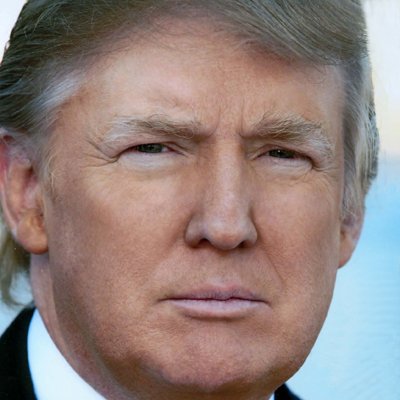
Trump and EPA Administrator Lee Zeldin announced a rollback of Biden-era refrigerant rules, framing it as a pro-consumer, pro-business deregulatory move that will cut costs for grocers, restaurants, and households.
Watch on YouTube ›Get the market thesis, key claims, assets, contradictions, and follow-up questions from any financial video — then unlock a version personalized to your portfolio, watchlist, and favorite speakers.
This White House event centered on the administration’s decision to terminate or roll back Biden-era refrigerant regulations that Trump and Zeldin argued forced expensive equipment replacements for supermarkets, restaurants, refrigeration trucks, semiconductor manufacturing, and home air conditioners. Trump repeatedly said the rules were unnecessary, costly, and ineffective, while Zeldin said the changes would save over $2.4 billion annually and protect about 350,000 jobs. …
Near term, this reads as a positive catalyst for grocers, refrigeration-heavy retailers, and HVAC-related businesses if the rollback moves quickly through implementation. The immediate risk is execution: if the change stalls in process or litigation, the market impact stays mostly rhetorical.
Over the next few months, the key setup is whether the administration turns this into a durable reduction in compliance costs for food retail and building systems. If final rules, agency guidance, and company capex plans confirm the rollback, the trade shifts toward lower operating-cost pressure; if not, the benefit fades into headline noise.
Structurally, the event reinforces a regime in which U.S. policy may increasingly prioritize affordability and industrial flexibility over climate-compliance rigidity. If this pattern holds, it could permanently lower regulatory drag on capital-intensive consumer businesses and set a template for broader deregulatory repricing.
The administration is terminating Biden-era refrigerant rules to lower costs for consumers and businesses.
Trump opens by saying the rules are being officially terminated and ties that to lower costs.
The old rules forced grocers and restaurants to replace working equipment and raised grocery prices.
Trump says the technology transition rule required costly refrigerant changes and replacement of refrigerators.
Zeldin says the rollback will save more than $2.4 billion a year and safeguard 350,000 jobs.
He cites specific savings and employment impacts from the announced action.
How much do you expect this will save the average American family every week on groceries, and do you expect this change to help Republicans?
Trump says the savings will be substantial and that average families will save a lot of money, but he does not provide a precise weekly figure. He links the policy to keeping stores open and lowering prices.
Are there assurances that savings will be passed down to consumers?
Kroger says the company is already working on it and wants customers across the country to pay the right price.
Do you have any environmental concerns with this rollback?
Trump says there is no environmental concern and that Zeldin covered it well.
Unlock the full claims, asset map, scores, related transcripts, follow-up questions, and AI chat — shaped around your portfolio, watchlist, favorite speakers, and risks.