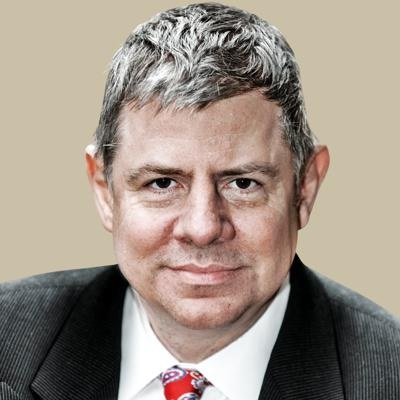
Clem Chambers argues the U.S. is in an early bubble phase driven by AI and onshoring capex, with bond yields rising because capital needs are huge and the Fed may tolerate tighter conditions. He prefers cheap, neglected markets and assets tied to the buildout rather than chasing crowded U.S. momentum, while saying gold has mostly peaked and copper is the next major commodity he wants to own.
Watch on YouTube ›Get the market thesis, key claims, assets, contradictions, and follow-up questions from any financial video — then unlock a version personalized to your portfolio, watchlist, and favorite speakers.
This interview centers on Clem Chambers’ view that markets are being shaped by a major structural shift: the U.S. is moving from a low-capex/offshoring model to a high-capex/onshoring-and-AI model, which he believes is inflationary and supportive of higher bond yields. He says the American market is ‘extremely bipolar’ and in a bubble, but still early enough that he would ride it rather than fight it, especially in the second- and third-order beneficiaries of AI infrastructure and industrial reshoring. He repeatedly emphasizes cheap valuation opportunities outside the U.S., especially the UK, and says travel helps reveal mispricings and structural differences across countries. He views the recent rise in Treasury yields as consistent with higher funding needs, higher inflation expectations, and potentially a Fed that is less inclined to immediately ease. …
Tactically, the setup favors riding U.S. momentum while avoiding late-stage crowded sentiment trades, but the crowdedness and high yields make pullbacks violent if the narrative shifts. Near-term leadership should stay with AI/onshoring beneficiaries and industrial suppliers, not gold.
Over the next few months, the market likely stays anchored by the capex/infrastructure story unless yields spike into a growth scare or the Fed turns unexpectedly restrictive. Confirmation would be continued strength in copper, power-grid, and buildout names; invalidation would come from softer funding demand or a sharp unwind in risk appetite.
The durable thesis is a regime shift toward higher capital intensity, more inflation pressure, and more fragmented global asset allocation. If that regime persists, valuation gaps, industrial bottlenecks, and country-specific mispricings matter more than broad buy-and-hold beta.
The American market is extremely bipolar and in a bubble phase that can still run for a while.
He repeatedly says the U.S. market is in bubble territory but may have 18 months to two years left.
Rising bond yields are being driven by inflationary capex needs from AI, onshoring, and industrial buildout.
He argues that huge funding needs for reshoring and AI infrastructure are the major inflation force.
The best opportunities lie in second- and third-order beneficiaries of AI and onshoring rather than the obvious winners.
He says he wants suppliers like generators, transformers, cables, and other indirect beneficiaries rather than the most obvious names.
What has traveling taught you about investing and what has made you think about where to put your assets?
Chambers says travel shows him that many places are further ahead than local people think, and that big valuation gaps exist across countries. He uses the UK as an example of a cheap, broken market and says overseas observation helps spot mispricings.
What does being diversified mean to you in 2026?
He defines diversification as spreading bets across regions, sectors, and thesis fragments, but says most investors are effectively undiversified. He prefers cheap stocks globally rather than concentrated mega-cap exposure, while noting broad index ETFs are the simple fallback.
Would you chase the recession sentiment reflected in prediction markets right now?
He says sentiment trades are dangerous, prediction markets are mostly gambling, and he prefers to position against sentiment when reality is better than perceived.
Unlock the full claims, asset map, scores, related transcripts, follow-up questions, and AI chat — shaped around your portfolio, watchlist, favorite speakers, and risks.