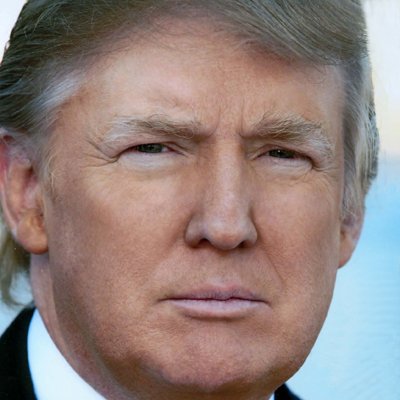
Trump and EPA Administrator Lee Zeldin announced a rollback of Biden-era refrigerant rules, arguing it will cut costs for grocery stores, restaurants, and households while protecting jobs and avoiding inferior equipment replacements.
Watch on YouTube ›Get the market thesis, key claims, assets, contradictions, and follow-up questions from any financial video — then unlock a version personalized to your portfolio, watchlist, and favorite speakers.
This White House announcement centered on the Trump administration’s decision to terminate Biden-era EPA refrigerant and air-conditioning rules, especially the so-called technology transition rule and related leak-repair requirements. Trump, Zeldin, and several grocery executives argued the rules forced costly equipment replacements, raised grocery and cooling costs, threatened small businesses and independents, and could worsen food availability in rural areas. They repeatedly framed the move as a pro-consumer, pro-jobs deregulatory action that would save over $2.4 billion annually and support hundreds of thousands of jobs. The event also became a broader Trump policy-and-political press conference. …
Near term, this looks supportive for grocery, cold-chain, and HVAC-related operating-cost relief if the rollback is implemented quickly and survives scrutiny. The immediate risk is that the savings remain headline-size rather than flow-through visible, so traders should watch for retailer guidance and any legal pushback.
Over the next few months, the base case is lower regulatory pressure on refrigeration equipment replacement and a modestly easier cost backdrop for supermarkets and restaurants. The setup improves if companies start quantifying capex relief or margin improvement; it weakens if the policy is delayed, narrowed, or politically reversed.
Structurally, the transcript points to a more aggressive anti-regulatory regime where compliance costs are treated as a macro inflation issue. If durable, this is supportive for capital-light operations and incumbent retailers, but it also raises the chance of policy whiplash and legal uncertainty as a permanent feature of the landscape.
The administration is terminating Biden-era refrigerant regulations to lower consumer costs and protect jobs.
Central announcement repeated throughout opening remarks.
The Biden-era technology transition rule forced expensive equipment replacements and raised grocery and cooling costs.
Trump and Zeldin both say the rule forced costly refrigerants and full equipment swaps.
The rollback will save more than $2.4 billion annually and safeguard about 350,000 jobs.
Zeldin cites the exact figures on screen and in remarks.
How much do you expect this will save the average American family every week on groceries? And do you expect this change to help Republicans?
Trump said savings would be very substantial and claimed the figures would be released later that afternoon. He tied the policy to avoiding store closures and forcing expensive, ineffective equipment replacements.
Are there any assurances from the grocery chains that they'll pass these savings down to consumers?
Kroger said the company is focused on cost of living and is working to ensure customers pay the right price.
Do you think Democrats are genuine in their focus on affordability, or are they using it to win midterms and begin the impeachment process?
Trump said Democrats caused the inflation problem, used affordability as a messaging word, and rely on bad policy and cheating to win elections.
Unlock the full claims, asset map, scores, related transcripts, follow-up questions, and AI chat — shaped around your portfolio, watchlist, favorite speakers, and risks.