
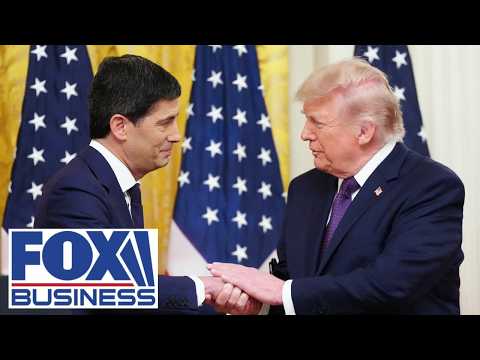
Fox Business’s panel argues that Kevin Warsh inherits a difficult Fed environment: inflation is still sticky, Treasury yields are elevated, and any move on rates now risks looking politically driven. The discussion centers on whether Warsh can hold rates steady long enough to avoid reigniting inflation while also dealing with a large Fed balance sheet, higher debt-service costs, and pressure from Trump and the White House for easier policy.
Watch on YouTube ›Get the market thesis, key claims, assets, contradictions, and follow-up questions from any financial video — then unlock a version personalized to your portfolio, watchlist, and favorite speakers.
The panel’s core thesis is that Warsh is taking over the Fed in an unusually awkward moment: inflation has not clearly cooled, the Treasury market is demanding higher yields, and the political desire for lower rates is colliding with the Fed’s need to stay credible. The speakers repeatedly frame the setup as a lose-lose: cutting too early risks “forming an inflation” problem, while holding or hiking keeps debt-service costs elevated and can push long rates higher. The show treats this as a test of whether Warsh can navigate a short-term inflation/political fight while keeping the Fed from becoming hostage to it. A big part of the reasoning is balance-sheet and liquidity focused. …
Near term, the setup is hawkish-for-longer: yields and mortgage rates stay sensitive, and any lack of a quick cut risks political and market friction.
Over the next few months, the most likely path is a wait-and-see Fed while inflation and energy data decide whether easing can begin; the view turns if oil falls and price pressures genuinely cool.
Longer term, the transcript points to a regime where fiscal deficits, Fed balance-sheet policy, and energy shocks keep inflation and rate policy tightly linked, even if productivity and AI eventually help disinflate.
Warsh is taking over the Fed in a more difficult inflation environment than the one that existed when Trump previously pressed for cuts.
The opening framing says a new Fed era has begun but the same problems remain, with yields and inflation making cuts tricky.
Administration voices argue AI, deregulation, and higher supply can eventually push inflation lower and create room for rate cuts.
Kevin Hassett’s attributed argument is that supply-side forces and lower energy prices will reduce inflation.
The Fed is under political pressure from Trump, but the panel thinks he may not push aggressively for cuts right away because he understands the data and oil backdrop.
Jackie says Trump is not stupid and knows oil is up, implying a temporary restraint on overt rate-cut pressure.
Can Kevin Warsh handle the Fed's $6.7 trillion portfolio and housing crisis without causing rates to go up further?
David responds that Kevin Warsh is handling the trickiest situation for the Fed since the pandemic. He notes that Warsh needs to focus on keeping things as they are and admits there is more inflation than the White House is acknowledging. Warsh can focus on the portfolio but selling MBS without raising rates will require 'putting some sugar in that deal' to attract buyers.
If the Fed doesn't cut rates at the June meeting, how will President Trump respond to Kevin Warsh?
Brian argues that Trump needs to give Warsh shelter — time to fix things without being pressured on short-term rate cuts. Warsh believes in a long-term disinflationary environment driven by AI, but we're not there yet. Brian fears Warsh will be forced to fight a constant short-term interest rate battle because the president is eager to show progress. He says Warsh needs time to get through Iran, get oil back down, and get inflation on a downward path before cutting rates.
Unlock the full claims, asset map, scores, related transcripts, follow-up questions, and AI chat — shaped around your portfolio, watchlist, favorite speakers, and risks.
