
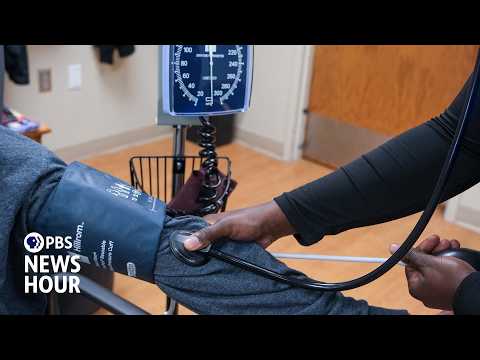
This PBS NewsHour segment is about renaming PCOS to PMOS, with the goal of improving diagnosis and treatment for millions of women. The speaker argues the old name was misleading, because the condition is not really about ovarian cysts and instead reflects broader endocrine and metabolic dysfunction.
Watch on YouTube ›Get the market thesis, key claims, assets, contradictions, and follow-up questions from any financial video — then unlock a version personalized to your portfolio, watchlist, and favorite speakers.
This segment argues that changing the condition’s name from PCOS to PMOS is not cosmetic rebranding but an attempt to correct a long-standing medical misunderstanding. The central point is that the old term, polycystic ovary syndrome, misled patients and clinicians by focusing attention on the ovaries and the word “cysts,” when the disorder actually involves hormonal, metabolic, and multi-system effects. Dr. Melanie Cree explains that the name was “always a misnomer” because the structures once called cysts are not true cysts. She says the new name, polyendocrine metabolic ovarian syndrome, is intended to make clinicians across specialties think about the full condition: endocrinologists should think about the ovaries, gynecologists should think about metabolic consequences, and primary care doctors should think about the whole body. …
No actionable market setup; the immediate story is a medical nomenclature change aimed at improving clinician awareness and patient screening.
Over the next few months, the likely effect is gradual if medical groups, doctors, and patient advocates adopt the PMOS framing and use it to broaden screening for metabolic and cardiovascular complications.
The structural implication is a shift toward viewing PCOS/PMOS as a systemic endocrine-metabolic disorder, which could permanently alter how the condition is diagnosed and managed.
PCOS is being renamed PMOS, and the change is intended to improve diagnosis, treatment, and care.
The segment says supporters believe the rename will lead to better diagnosis, treatment, and care.
The old PCOS name was a misnomer because the ‘cysts’ were not really cysts.
Cree says the old name was always inaccurate and that the structures were mistakenly called cysts.
The rename should prompt specialists and primary care doctors to think about the whole body, not just the ovaries.
Cree says each type of clinician should be reminded of the broader disorder by the new name.
Does the new name reflect a new understanding of the disorder, or was the old name always misleading?
Dr. Cree says the old PCOS name was always a misnomer because the so-called cysts were actually young eggs, not true cysts. She implies the rebrand is meant to better reflect the condition rather than change the biology.
How does changing the name improve care for a disorder that affects multiple body systems?
She says the new name should prompt any clinician—endocrinologist, gynecologist, or primary care doctor—to think about the ovaries, metabolic effects, and the disorder as a whole. The diagnostic criteria have not changed, but the hoped-for change is more holistic treatment.
How has the focus on reproductive capacity affected patients over the years?
She says patients have not been given accurate information about related conditions such as type 2 diabetes, fatty liver, and high cholesterol, and many have been unfairly blamed for weight gain or difficulty losing weight. She adds that some women could already qualify for treatments, including weight-loss medications, when screened for related conditions.
Unlock the full claims, asset map, scores, related transcripts, follow-up questions, and AI chat — shaped around your portfolio, watchlist, favorite speakers, and risks.
