
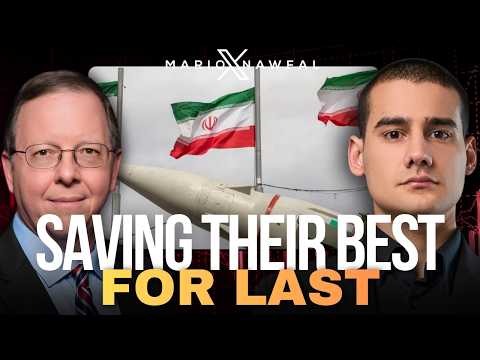
Robert Pape argues the Iran–Israel conflict has entered an “era of instability” marked by horizontal escalation, regional spillovers, and a rising long-term nuclear risk. He thinks Iran is using calibrated pressure through proxies and Gulf targets, especially the UAE and Red Sea routes, and that this dynamic is unlikely to stay contained to Lebanon or Israel alone.
Watch on YouTube ›Get the market thesis, key claims, assets, contradictions, and follow-up questions from any financial video — then unlock a version personalized to your portfolio, watchlist, and favorite speakers.
This transcript is an extended geopolitical discussion centered on how Iran may respond to continued conflict with Israel and whether the fighting can spread into the Gulf. The core thesis is that Iran has not exhausted its escalation options; instead, it is using a calibrated “horizontal escalation” strategy that can hit Israel indirectly by threatening or striking Israel’s regional partners, shipping lanes, and energy infrastructure. The speaker frames this as part of a broader “era of instability,” where previously crossed red lines make the system more volatile and harder to contain. A major thread is the idea that Iran can avoid a direct US confrontation while still increasing pressure through proxies such as the Houthis and through strikes on the UAE or disruption of Red Sea oil exports and pipelines. …
Tactically, the main risk is headline-driven horizontal escalation into the UAE, Red Sea shipping, or Gulf energy infrastructure rather than a direct regional war. Near term, the setup looks more like an unstable deterrence game than a clean breakout into full Gulf conflict.
Over the next several weeks or months, the likely path is continued proxy pressure and intermittent escalation, with the possibility of a more serious phase later if political incentives change. The view is validated by calibrated retaliatory moves and any incremental disruption to energy/shipping routes; it weakens if containment holds cleanly through the summer and fall.
Structurally, the transcript argues the region has shifted into a durable instability regime where repeated red-line crossings make escalation easier and nuclear pursuit more rational. The long-run implication is a higher Gulf risk premium and a more difficult containment problem, especially if Iran moves into actual weapons testing.
Iran is using horizontal escalation through proxies and regional targets to pressure Israel without directly confronting the US.
The speaker says Iran retaliates by striking the region and leveraging proxies, and specifically points to UAE and Gulf-linked pressure points.
The UAE is a likely target because Iran can hit Israel’s closest ally while avoiding direct confrontation with the US.
He explicitly identifies the UAE as the most plausible indirect pressure point.
Iran could progressively threaten Red Sea oil exports and pipelines as part of a calibrated escalation ladder.
The speaker describes incremental escalation using the Houthis to pressure shipping and energy infrastructure.
Would Iran continue the strategy of horizontal escalation if a ceasefire is signed that includes Lebanon (a red line for Iran) and Israel breaches that ceasefire?
The guest agreed with the premise and gave a detailed scenario: Iran could encourage the Houthis to shut down Red Sea oil exports as a form of horizontal escalation leverage. They have rungs on the escalation ladder they haven't used yet, particularly with oil and gas. Iran has shown calibration in how it uses horizontal escalation, coordinating diplomatic activities, military strikes, and calibrating the strikes themselves over 24-hour periods. Lebanon is not disconnected from the Gulf system anymore.
How high is the risk for a regional war that would involve the Gulf directly — for example, Iran striking the UAE, the UAE retaliating, other Gulf countries joining, and Israel joining?
The guest said the risk is only moderate or low in the next few months, but could rise as we get through the midterms and into January. Prolonged instability will have economic and political effects that weaken governments like the UAE, making them more concerned about survival. After the midterms, Trump may become more interested in escalation. The guest compared this to the Iran-Iraq war trajectory — nobody starts out intending a long war, but escalation traps keep wars going. He sees regionwide war as unlikely over the summer and into fall, but more serious by January.
What about the red lines that have already been crossed — direct war between the US and Iran, Iran striking the entire Gulf — things barely imagined a few years ago that have now become reality?
The guest responded that the rational thing for Iran to do now is to aggressively develop nuclear weapons. There were already huge incentives before (hence enriching to 60%), but now nuclear weapons are seen as the ultimate security blanket. He argued that if you asked security analysts under secret ballot, they'd agree. He predicted 90% likelihood Iran will find a way to test one or two nuclear weapons within 12-18 months, which will create another earthquake for the Gulf and more instability.
Unlock the full claims, asset map, scores, related transcripts, follow-up questions, and AI chat — shaped around your portfolio, watchlist, favorite speakers, and risks.
