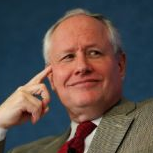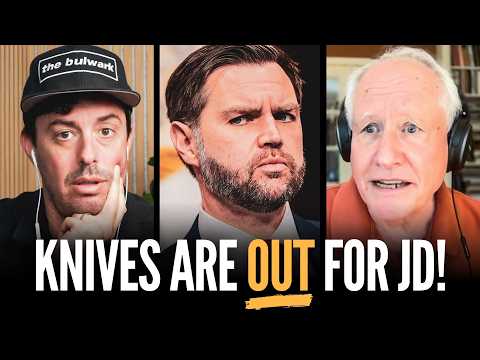
Tim Miller and Bill Kristol spend most of the episode on Trump-era political instability, with a heavy focus on Iran/war diplomacy, authoritarian behavior around the courts and elections, the Epstein coverup, and the internal Republican friction around JD Vance. The market-relevant portions are mostly geopolitical: they argue the Iran situation remains unresolved, oil risk is being underpriced, and U.S. foreign-policy alignment is becoming distorted by Trump’s personal politics, including Ukraine drone cooperation.
Watch on YouTube ›Get the market thesis, key claims, assets, contradictions, and follow-up questions from any financial video — then unlock a version personalized to your portfolio, watchlist, and favorite speakers.
This episode is not a traditional market show, but it does contain several geopolitically relevant themes that affect energy, defense, sanctions, and macro risk. The longest discussion centers on Iran. Miller argues that despite weekend headlines about a possible deal, “it does seem like we are quite a ways away from a deal,” while Kristol says the market may be too complacent because the trade route remains “closed or 90% closed” and that pressure on energy prices, shortages, and fertilizer should keep building. They both think Trump wants a face-saving agreement, but they also note that Iranian and U.S. messaging has hardened again, making renewed conflict or prolonged disruption plausible. …
Near term, the market should treat Iran as a live escalation risk rather than a resolved story; the route disruption is still capable of moving oil quickly if diplomacy stalls. Positioning looks complacent relative to the hosts’ view of the remaining geopolitical fragility.
Over the next few weeks to months, the base case is continued Trump-Iran bargaining with a real chance of renewed volatility if talks fail to produce a face-saving arrangement. Energy, fertilizer, and freight should stay sensitive to whether the trade remains constrained or starts reopening.
Structurally, the episode argues for a world where U.S. political personalization and geopolitical friction keep creating intermittent market shocks. The longer-run implication is a more fragile energy-and-security regime, with defense innovation and election legitimacy becoming recurring macro variables.
The Iran situation is still far from a deal, despite weekend reporting that one was close.
Miller says the latest sequence moved negotiations away from resolution.
Markets are too complacent about the damage from a still-closed energy route and the pressure that builds over time.
Kristol argues the market underestimates ongoing disruption even if a deal eventually comes.
If the disruption persists, oil could rise sharply, potentially toward 150.
This is cited as a warning from an Exxon executive, presented as a downside risk rather than a base-case forecast.
Is it okay if I listen to your wrong opinion about Pride Month without getting cancelled?
Tim Miller says no, he doesn't think Bill will get canceled just for listening. Tim then shares his opinion that Pride Month has become a bit overkill and that the parade itself is sufficient, though he acknowledges the spirit of pride is still important and rights need safeguarding.
How much leverage does Iran think it has in negotiations with Trump, and how much pressure do they feel to reach a deal?
Bill Crystal says he's been slightly on the side that Iran probably wants to get to a deal at the end of the day, and Trump certainly wants to get to a deal, so they'll probably get one. But he also notes that when you're on the 2-yard line forever, at some point maybe they're not going to get into the end zone and the war could begin again.
Does it even matter at this point if Trump looks tougher for an extra week with the Iran deal?
Bill Crystal says it's psychological and part of Trump's dick measuring contest with Obama that he's always going to lose. He says Trump feels like he needs something good and the people around him who wanted this war are still talking to him.
Unlock the full claims, asset map, scores, related transcripts, follow-up questions, and AI chat — shaped around your portfolio, watchlist, favorite speakers, and risks.