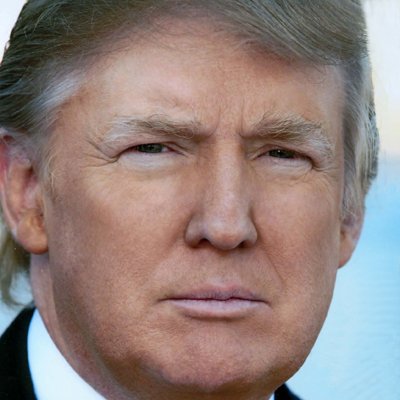
This is a live White House remarks clip centered on President Trump touting Washington, D.C. beautification and security improvements, then pivoting into executive actions on customs enforcement and federal workforce discipline, followed by extended Q&A on Iran, the Strait of Hormuz, tariffs, border enforcement, and his broader political message.
Watch on YouTube ›Get the market thesis, key claims, assets, contradictions, and follow-up questions from any financial video — then unlock a version personalized to your portfolio, watchlist, and favorite speakers.
President Trump’s remarks begin with a celebratory update on Washington, D.C., especially Union Station, Lafayette Park, the reflecting pool, and surrounding public spaces. He frames the city as transformed from graffiti, homelessness, and disorder into a safe, restored capital, repeatedly emphasizing that the work will be durable and visually impressive. He says the reflecting pool project uses a new material and will last 50 to 100 years, and he credits Interior Secretary Doug Burgum and others for helping execute it. He also draws a political contrast with the prior Biden/Obama era, saying the area had been neglected and that his administration has removed encampments, reopened parks, and improved public order. The remarks then shift into a White House action event, where administration officials describe an executive order on strengthening customs enforcement. …
Immediate setup is dominated by Iran headlines and Strait of Hormuz risk: the transcript implies either a quick diplomatic de-escalation or renewed military pressure. The customs order is a secondary near-term catalyst for importers, tariff evaders, and shipping-sensitive names.
Over the next few weeks, the base case is a tougher enforcement state with more customs scrutiny and continued use of executive power on immigration and trade. For markets, the key confirmation is whether Iran talks stabilize or reheat; that will likely drive the biggest risk-premium swing.
The structural read is a more nationalist, enforcement-heavy policy regime in which border control, trade policing, and bureaucratic discipline are treated as core economic tools. The lasting implication is a more security-oriented U.S. framework that can support order and credibility, but also raises the risk of abrupt policy shocks and higher compliance burdens.
Washington, D.C. has been transformed into a much safer and more beautiful city, with homelessness and encampments reduced and parks restored.
Trump repeatedly describes the capital as safe, clean, and visually improved after prior neglect.
The reflecting pool project is structurally durable, lower cost, and will last 50 to 100 years.
He says a new material and design solve prior leakage and longevity issues.
The customs executive order will tighten border-style enforcement on imports, reducing contraband, counterfeit goods, and tariff evasion.
Officials present the EO as a new enforcement layer using technology and accountability.
What savings do you expect from the customs enforcement order in the first year and beyond?
He says the order should save at least $15 billion in the first year and about $25 billion in the next year. He also estimates there are $80 to $100 billion in tariff evasion and says the policy will help stop fentanyl and counterfeit goods.
Why was this federal workforce reform needed, and who came up with it?
The speaker explains that it has long been nearly impossible to fire federal employees even for serious misconduct. He says the reform would make it easier to remove employees who are incompetent or undermining the administration, especially in senior policymaking roles.
How is the customs reform changing the system?
The response says the reform is long overdue and will help solve long-standing customs problems. It will let officials crack down on people hiding behind shell companies and hold them accountable.
Unlock the full claims, asset map, scores, related transcripts, follow-up questions, and AI chat — shaped around your portfolio, watchlist, favorite speakers, and risks.