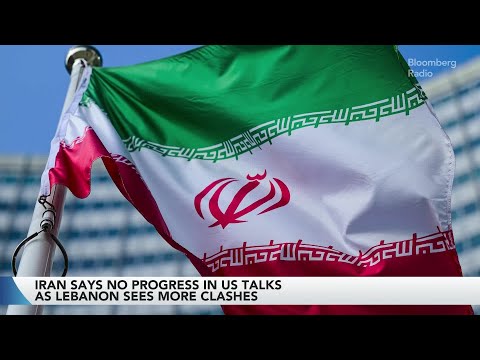
The segment argues that there is still no real progress in US-Iran talks despite market optimism and White House messaging. The speaker says mistrust, unresolved issues like the Strait of Hormuz and Iran’s nuclear program, and broader geopolitical friction make a quick deal unlikely, while also noting Iran has adapted militarily and Europe is increasingly moving on its own track.
Watch on YouTube ›Get the market thesis, key claims, assets, contradictions, and follow-up questions from any financial video — then unlock a version personalized to your portfolio, watchlist, and favorite speakers.
The core thesis is that the Iran-US negotiation story is still far from resolved, and market hopes for an imminent deal are running ahead of reality. The speaker repeatedly stresses that the situation is not a “reality television show,” that Trump cannot control all outcomes, and that there is still “no further progress” in negotiations. In their view, the public posture from Washington is meant to reassure markets, but the underlying diplomatic process is still blocked by mistrust and unresolved strategic issues. A major supporting point is that neither side appears willing to be the first to formally approve a deal. The speaker says the parties have not agreed on near-term issues such as the Strait of Hormuz and longer-running ones like Iran’s nuclear program and enriched uranium. …
Tactically, this is a geopolitical headline-risk setup: markets should not assume a deal is imminent, and any negative Iran headline can quickly reintroduce risk premium.
Base case over the coming weeks is continued stalling, with both sides probing but neither ready to own the first formal concession; a real shift would need visible movement on the nuclear and Hormuz files.
Structurally, the transcript points to a more resilient Iran that uses asymmetric leverage and a less predictable alliance environment, meaning geopolitical risk remains a persistent market feature rather than a one-off event.
There is no clear evidence of progress in the Iran-US talks, despite optimistic messaging.
The speaker says there has been 'no further progress' and that market optimism is not grounded in reality.
Trump and his team are trying to make markets believe a deal is near, but the speaker doubts that this matches reality.
The speaker explicitly contrasts administration messaging with the actual state of talks.
The key unresolved issues include the Strait of Hormuz, Iran's nuclear program, and enriched uranium.
The speaker names the major open issues blocking a deal.
Does the speaker know anything about the new leadership of the IRGC?
The speaker says they are not the main expert on that topic, but they do know Iran studied last year's operation closely and reorganized parts of the IRGC, military capabilities, leadership structure, and future plans. They also say the regime remains intact but more dispersed and adapted.
What is the outlook for allied relations with Trump ahead of the G7 and NATO meetings?
The speaker says Trump is going to the G7 and that the relationship with traditional allies is strained. They describe limited public-facing dialogue, mostly back-channeling, and suggest Europe is adjusting to a less active U.S. role while not necessarily aligning with Trump on Iran.
Unlock the full claims, asset map, scores, related transcripts, follow-up questions, and AI chat — shaped around your portfolio, watchlist, favorite speakers, and risks.