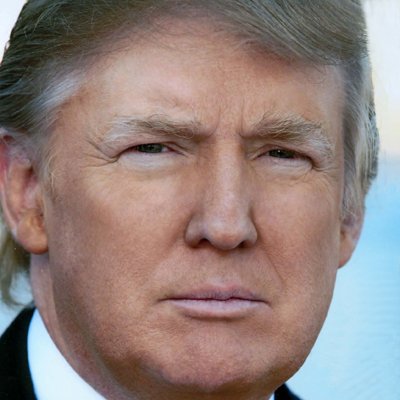
Trump uses the White House announcement to frame coal as a national-security and affordability issue, announcing actions to save 13 coal plants, expand coal leases, accelerate permits, and fund new or restarted coal-related projects. The event is also a broader Trump administration energy-rally segment, tying coal to AI power demand, grid reliability, manufacturing reshoring, and criticism of wind, green subsidies, and Biden-era regulation.
Watch on YouTube ›Get the market thesis, key claims, assets, contradictions, and follow-up questions from any financial video — then unlock a version personalized to your portfolio, watchlist, and favorite speakers.
This transcript is primarily a Trump White House remarks session centered on coal policy, but it expands quickly into a broader administration pitch on energy dominance, industrial policy, and geopolitics. The core thesis is straightforward: coal is portrayed as essential to the electric grid, to low power prices, and to U.S. national strength, and the administration claims it is using executive action and permitting reform to reverse what it describes as years of anti-coal policy. Trump says the administration is “officially invoking the Defense Production Act to save 13 coal plants” across several states, and claims those plants will receive upgrades that extend their lives for decades, support the grid, and keep electricity prices low. …
Near term, the tape risk is headline-driven optimism for coal and fossil-fuel beneficiaries if investors believe the plant-saving and permit actions are real. The main tactical question is whether the announcement turns into signed orders and permits, or fades into political theater.
Over the next few months, the setup favors a gradual re-rating of U.S. coal-policy expectations only if leases, approvals, and plant investment plans keep landing. If the administration sustains execution, coal and grid-reliability themes could stay bid; if not, the move will likely unwind as rhetoric.
The structural message is that dispatchable energy is being re-centered as a strategic asset for industrial capacity and national security. Even if coal’s market share remains limited, the regime shift is toward more permissive policy for fossil fuels and away from treating coal as an asset to phase out quickly.
The administration is invoking the Defense Production Act to save 13 coal plants in multiple states.
Direct announcement of the policy action and the list of affected states.
These actions are meant to extend coal plant lives for decades, reinforce the grid, and keep electricity prices low.
Trump explicitly links the plant saves to longevity, reliability, and affordability.
Biden-era policy left the grid at risk by favoring subsidized, intermittent, weather-dependent power.
Burgum argues the prior administration pushed unreliable sources too far.
What do you think of Lee Zeldin and the job he's done?
The speaker says Lee Zeldin's job has been great.
Is this the first time a president has had a White House council focused specifically on energy, and what impact has it had?
The response says the National Energy Dominance Council operates out of the White House and helps President Trump get a lot done quickly. The speaker presents it as a new, unusually effective structure for coordinating energy policy.
How are the National Garden of American Heroes, the triumphal arch, and the Lincoln Memorial promenade progressing?
The response says these are long-planned projects rooted in the McMillan plan and that President Trump is pushing to complete them. It explains that the arch, the heroes garden, and the promenade would restore the original vision of the Mall and improve pedestrian access to the Potomac River.
Unlock the full claims, asset map, scores, related transcripts, follow-up questions, and AI chat — shaped around your portfolio, watchlist, favorite speakers, and risks.