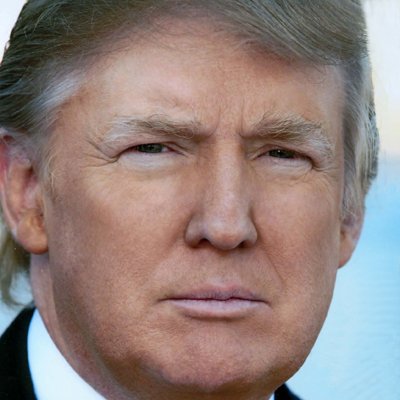
Trump used the Oval Office appearance to announce a major federal push to support coal, framing it as an energy, industrial, and political victory. He described $700 million in funding, Defense Production Act action, plant and mine support, a new export terminal, and broader deregulatory moves meant to keep coal plants open, lower electricity costs, and bolster U.S. energy dominance.
Watch on YouTube ›Get the market thesis, key claims, assets, contradictions, and follow-up questions from any financial video — then unlock a version personalized to your portfolio, watchlist, and favorite speakers.
This transcript is a Trump-led Oval Office announcement centered on coal, energy policy, and a broader “energy dominance” agenda. The core message is that the administration is actively subsidizing, protecting, and expanding coal production and coal-fired generation as a strategic national priority. Trump repeatedly calls it “clean, beautiful coal,” argues that coal is essential to cheap power, grid reliability, AI, manufacturing, and national security, and frames the policy as a reversal of Biden-era anti-coal regulation. The concrete announcement is substantial: Trump says the administration is deploying $700 million, invoking the Defense Production Act, to protect 14 coal plants and 42 coal mines, build two new coal plants, and develop a major export terminal. …
Immediate setup is bullish for coal and select power-infrastructure beneficiaries on headline support, but the trade is vulnerable to overreaction because the announcement is policy-heavy and execution still matters. Near term, watch for actual funding details, named plants, and whether the market treats this as durable action or political theater.
Over the next few months, the base case is continued federal backing for coal plant extensions, mining permits, and export capacity, which could support coal-linked assets if the rollout is real. The view weakens if projects stall, consumer savings fail to show up, or gas and renewables keep outcompeting coal on economics.
Structurally, the transcript argues that U.S. energy policy is shifting toward a security-and-industrial-policy regime where coal remains a strategic input rather than a sunset fuel. If sustained, that would prolong coal’s relevance, especially in metallurgical and grid-critical uses, even though long-run decarbonization pressures remain the main counterforce.
The administration is making a major federal push to support coal, including plant protections, mine support, new plants, and an export terminal.
Trump explicitly describes a $700 million investment and specific coal assets to be protected or built.
Coal is essential to affordable, reliable, and secure American energy and to power the electric grid.
Burgum frames coal as the backbone of the grid and key to competitiveness and AI.
Coal plants saved during a winter storm helped prevent deaths and kept the East Coast grid from failing.
Wright says coal plants stayed open, coal output rose, wind vanished, and hundreds could have died without them.
What do you think? MVP, Lee Zelden, and the job he's done?
What do these states have in common?
Chris answers: Trump won them. The response is playful, noting Trump won Wisconsin and all of them by a lot.
What percentage of coal miners voted for you?
Chris agrees with a non-committal 'pretty high' and Trump affirms it's probably higher than any group in the country.
Unlock the full claims, asset map, scores, related transcripts, follow-up questions, and AI chat — shaped around your portfolio, watchlist, favorite speakers, and risks.