
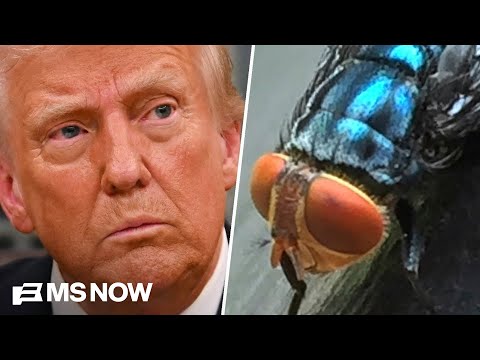
A sharply critical segment argues the Trump administration mishandled the return of New World screwworms by cutting monitoring funds, reopening the Mexican cattle border too early, and then downplaying the risk until cases appeared in Texas. The immediate consequence, the speaker says, could be higher beef prices, movement restrictions, and a costly outbreak in an already tight cattle market.
Watch on YouTube ›Get the market thesis, key claims, assets, contradictions, and follow-up questions from any financial video — then unlock a version personalized to your portfolio, watchlist, and favorite speakers.
The segment’s core thesis is that the Trump administration “screwed up” the screwworm threat by treating a serious livestock biosecurity issue as political theater rather than prevention. The speaker frames New World screwworm as a parasite that was eradicated from the U.S. in the 1960s through sterilized-male release programs, then says it has reappeared and is now a direct risk to Texas cattle after the USDA confirmed cases in a calf in Texas and then a second case. The argument is built around the biology and the prior eradication campaign: screwworms are described as parasitic flies whose larvae infest live animals, and the U.S. response decades ago used sterilized male flies to collapse the population. That historical success is used to underline how serious a renewed outbreak could be. …
Immediate risk is contained to cattle supply disruption in Texas and any new USDA/state quarantine actions; if the cases spread, beef-related inflation can reprice quickly.
Over the next several weeks, the market will care most about whether the outbreak stays isolated or forces broader movement restrictions. If containment fails, the base case becomes a sustained cattle supply squeeze and firmer beef prices.
This underscores a structural food-biosecurity risk: eradicated animal diseases can re-enter and create persistent inflationary pressure when monitoring, border controls, and containment systems are underfunded.
New World screwworm was eradicated from the United States in the 1960s using sterilized male flies.
The speaker explains the historical eradication program as the basis for why the parasite had not been a U.S. problem for decades.
The USDA confirmed screwworm detections in Texas cattle, and a wider outbreak is possible.
This is the immediate factual setup for the segment’s warning about livestock risk.
A screwworm outbreak could cost the cattle industry up to $1.8 billion and push beef prices higher.
The speaker explicitly ties outbreak risk to industry losses and consumer inflation.
Unlock the full claims, asset map, scores, related transcripts, follow-up questions, and AI chat — shaped around your portfolio, watchlist, favorite speakers, and risks.
