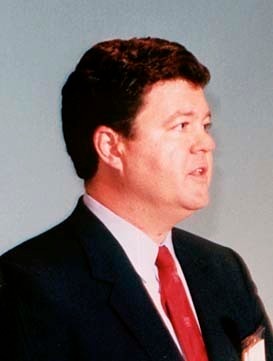
Dr. Mark Thornton argues that the U.S. and other major economies are trapped in a politically protected inflation regime: deficits, central-bank balance-sheet expansion, and elite incentives are keeping money and credit easy, which he says benefits asset owners while squeezing workers through higher prices. He recommends owning gold, silver, precious-metals stocks, and broader commodities rather than bonds, because he thinks the old stock-to-bond rotation no longer works in a world where governments will keep inflating to finance spending.
Watch on YouTube ›Get the market thesis, key claims, assets, contradictions, and follow-up questions from any financial video — then unlock a version personalized to your portfolio, watchlist, and favorite speakers.
This interview is a full-throated Austrian School critique of modern monetary and fiscal policy. Dr. Mark Thornton’s core thesis is that the U.S. economy is being distorted by persistent government spending, central-bank liquidity support, and political incentives that favor asset inflation over price stability. He argues that the result is a K-shaped economy: wealthy holders of stocks, real estate, and other assets gain first, while working-class households absorb the lagged effects of higher consumer prices, maxed-out credit, and deteriorating real wages. He frames the current setup not as a normal cyclical inflation episode, but as an extended, policy-driven boom that is being sustained far beyond what real savings or productivity would justify. Thornton spends much of the conversation laying out Austrian business cycle theory in accessible terms. …
Tactically, the setup favors gold, silver, and commodity exposure while bonds remain vulnerable if liquidity and deficits stay elevated. The immediate risks are volatility from rates and geopolitics, but he does not see a durable bond rally unless policy turns sharply restrictive.
Over the next few months, his base case is continued policy accommodation and stubborn inflation pressure, which should keep hard assets supported and broad equities uneven. A real shift in the view would require sustained spending restraint or genuinely restrictive central-bank action.
His structural view is that fiat-deficit finance is now a durable regime, so tangible stores of value should keep outperforming paper claims over time. Unless the political system changes, he expects wealth to keep concentrating in assets and away from wages.
Political competition has been effectively eliminated, so governments will keep spending and financing deficits through money creation.
He argues that elites control policy and there is no meaningful political pressure to cut budgets, implying ongoing inflationary finance.
The U.S. is in a K-shaped economy where wealthy asset owners benefit while workers fall behind on bills and inflation.
He says stocks, land, and real estate are rising for elites while the working class faces higher prices and debt stress.
Austrian business cycle theory explains asset inflation and eventual recession as a consequence of fiat credit being pushed below the natural interest rate.
He gives a textbook explanation of how cheap credit distorts investment and later forces a correction.
How does Austrian economics explain what is happening in the economy right now?
He says Austrian business cycle theory explains that fiat money and credit expansion push the market interest rate below the natural rate, spur investment, and raise asset prices, but eventually create distortions that lead to correction or recession. He ties this to today's inflation, asset booms, and growing pressure on workers.
What happens when central banks inject fiat money into credit markets?
He says it disturbs the economy by lowering interest rates, encouraging investment, and redirecting resources into asset-heavy sectors. Over time, the original investment plans are revealed as mistaken and the economy faces recession or crisis.
Why do asset prices and wealth keep rising during the boom?
He says people who already own assets and have access to new credit are the main beneficiaries, so stock markets and real estate rise sharply. He adds that the wealthy and political elites gain enormously while workers are left behind.
Unlock the full claims, asset map, scores, related transcripts, follow-up questions, and AI chat — shaped around your portfolio, watchlist, favorite speakers, and risks.