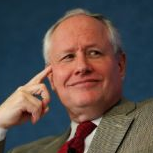
Tim Miller and Bill Kristol use most of the episode to argue that Trump and his orbit are acting weak, erratic, and authoritarian across foreign policy, media, and personnel choices. The biggest throughline is that Trump’s handling of Iran/Israel, his obsession with the 2020 election, Pete Hegseth’s D-Day speech, and pending nominations like Todd Blanche and Bill Pulte all reflect a more radicalized second term where grievance, loyalty, and conspiracy matter more than competence.
Watch on YouTube ›Get the market thesis, key claims, assets, contradictions, and follow-up questions from any financial video — then unlock a version personalized to your portfolio, watchlist, and favorite speakers.
This episode is not a market show in the usual sense; it is a political commentary podcast, but it contains a few election and positioning-style observations that function like a tactical read on institutions and power. The core thesis from Tim Miller and Bill Kristol is that Trump is becoming more openly weak, erratic, and authoritarian, and that this is now bleeding into foreign policy, media, and personnel. They repeatedly return to the idea that Trump’s behavior is not merely performative bluster but a sign of deeper instability and desperation, especially around the 2020 election lie and his dependence on loyalists to execute coverups or pressure campaigns. The first major segment centers on Iran, Israel, Hezbollah, and Trump’s push for a ceasefire after another round of strikes. …
Immediate setup: the biggest near-term risk is political and reputational blowback from Trump’s Iran management, Blanche confirmation, and Hegseth’s D-Day optics. The episode’s actionable read is that any fresh scandal or hearing can quickly widen the anti-Trump narrative.
Over the next few months, the base case is a more radicalized Trump orbit that keeps testing institutional guardrails through appointments, legal pressure, and election rhetoric. If Republicans do not visibly break, the administration likely continues consolidating power through loyalists rather than policy wins.
Structurally, the transcript argues that MAGA has become a durable authoritarian-populist regime centered on grievance, immigration panic, and loyalty over competence. The lasting implication is that institutions, media, and elections remain vulnerable whenever access or partisan advantage is valued above independent norms.
Trump’s handling of Iran and Israel shows a widening gap between his public demands and his allies’ actions, weakening U.S. credibility.
Miller and Kristol describe Trump urging Israel not to retaliate and then failing to control the escalation, which they frame as evidence of weak management and degraded credibility.
Trump is obsessed with the 2020 election because he intends to use the same lie again in the future.
Miller explicitly says the fixation is not just weird; it is operational and tied to future attempts to manipulate elections.
Todd Blanche is being positioned to continue the Epstein coverup from the top of the Justice Department.
Kristol argues Blanche organized the coverup and that confirmation would preserve it at DOJ.
What does Trump's attempt to stop Israel from retaliating say about his handling of the war with Iran?
The response says it highlights unusually loose war management and suggests a gap between Trump and Netanyahu, or at least between the U.S. and Israel, may be larger than it appears. It also suggests Trump really does not want the conflict to continue.
Could this escalation complicate Trump's effort to reach a final deal with Iran?
Yes. The reply says continued fighting would make it harder for Trump to credibly negotiate an end, especially because Iran is reportedly demanding that Israel stop attacking Lebanon as part of any settlement.
Is Trump's pressure on Netanyahu to avoid hitting Hezbollah evidence that Iran's demands are being taken seriously?
The answer is yes: the speaker says it shows Iran's demand is being treated as real, because Trump is effectively asking Israel to back off Hezbollah so it doesn't jeopardize a deal. He then argues this is remarkable because Israel's strategy has been to weaken Hezbollah and Iran's proxies.
Unlock the full claims, asset map, scores, related transcripts, follow-up questions, and AI chat — shaped around your portfolio, watchlist, favorite speakers, and risks.