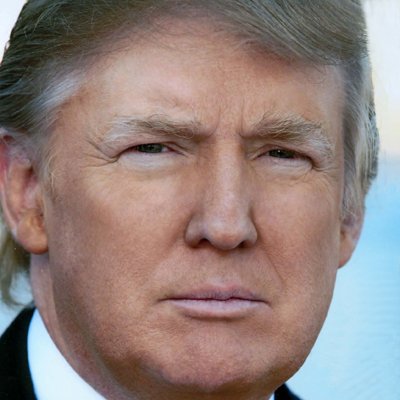
Trump used the post-game scrum to pivot from the NBA Finals to Iran, claiming negotiations are close, the Strait of Hormuz is effectively blocked, and Iran will not get a nuclear weapon. He also repeated his domestic message that DC is safer and cleaner, touted record jobs and market highs, and criticized courts, New York energy policy, and the H-1B fee ruling.
Watch on YouTube ›Get the market thesis, key claims, assets, contradictions, and follow-up questions from any financial video — then unlock a version personalized to your portfolio, watchlist, and favorite speakers.
This was a short, unscripted press availability after Trump attended Game 3 of the NBA Finals in New York. The transcript is less about basketball than about Trump using the moment to talk through a cluster of campaign-style governing themes: Iran, energy, law and order, infrastructure, and economic bragging. The central foreign-policy message was that negotiations with Iran are ongoing, that he thinks a deal is close, and that the U.S. has already boxed Iran in through a blockade that he says is holding completely and crushing oil and income flows. On Iran, Trump framed the situation as near-term and highly fluid: he said the parties could have “an idea by one or two days from now,” later narrowing that to “two or three days,” and even said a deal could theoretically be signed “in one hour” if needed. …
Near term, the market should treat Trump’s Iran comments as headline risk around Hormuz, oil, and defense/energy sentiment. The actionable issue is whether the next update confirms de-escalation or reintroduces strike risk.
Over weeks to months, the transcript points to a base case of some negotiated pause if Trump’s pressure campaign is working. The setup improves if shipping normalizes and rhetoric shifts from coercion to closure; it weakens if talks stall or military action resumes.
Longer term, the clip reinforces a regime where U.S. foreign policy is presented as coercive leverage first, with energy chokepoints and deterrence central to market outcomes. The lasting implication is that geopolitics can repeatedly reprice oil, inflation expectations, and risk sentiment even when the immediate crisis cools.
Trump said negotiations with Iran are ongoing and he expects a clearer sense of progress within one to three days.
He repeatedly said talks continue and gave a very short timeline for developments.
He argued the blockade on Iran is fully effective and preventing oil and income from getting through.
Trump framed the blockade as total and the main source of pressure.
He said the U.S. is very close to a strong deal that would prevent Iran from obtaining nuclear weapons.
This was the core foreign-policy objective repeated throughout the exchange.
What did you think of the reception you got from the Knicks fans tonight?
President Trump said the reception was great, amazing actually. He thought it was very good — it was loud and very enthusiastic, describing the crowd reaction as mostly cheers.
How do you respond to Stephen A. Smith saying he would blame you if the Knicks lost the game?
President Trump said he thinks Stephen A. Smith is a nice guy but that you need a certain aptitude and a high IQ to run for president, and he's not sure Smith has that.
What did you discuss with Prime Minister Netanyahu and did you ask them not to hit back?
Trump said they had a very good conversation. He said Netanyahu was hit and he hit back, and Trump can't blame him for that. They've called it quits for now. When asked if he told them not to hit, Trump said he told them to do what's right but to stop as quickly as they can because it had to do with Lebanon and it has to stop.
Unlock the full claims, asset map, scores, related transcripts, follow-up questions, and AI chat — shaped around your portfolio, watchlist, favorite speakers, and risks.