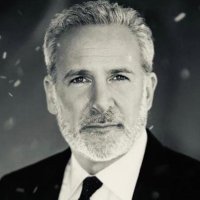
Peter Schiff argues that the Bitcoin selloff is only the start of a larger unwind, with leveraged holders likely forced to sell gold, silver, and related equities next. He frames the move as a liquidation-driven breakdown tied to ETFs, margin debt, and political hype around Trump and Bitcoin, and says precious metals and miners are the eventual winners while Bitcoin fades.
Watch on YouTube ›Get the market thesis, key claims, assets, contradictions, and follow-up questions from any financial video — then unlock a version personalized to your portfolio, watchlist, and favorite speakers.
Peter Schiff’s core thesis is that Bitcoin is entering a much bigger bear market than most investors realize, and that the current drawdown is not a clean panic bottom but an orderly, leverage-driven unwind that still has room to run. He argues that Bitcoin holders on margin are already liquidating gold, silver, and related equities to meet calls, and that once those forced sellers exhaust the non-Bitcoin assets they can sell, they will be pushed into selling Bitcoin itself. In his view, the presence of ETFs, brokerage-account buyers, and institutional leverage means the market is more vulnerable than in prior cycles. He repeatedly emphasizes that the decline has been “extremely orderly,” not yet a true capitulation. That matters to him because he interprets the lack of panic as evidence that the bottom is still far away. …
Tactically, Schiff thinks Bitcoin weakness is still incomplete and that the next sharp move could come from ETF redemptions, margin calls, and weekend selling. Near-term rallies should be treated as opportunities to reduce crypto exposure rather than evidence of a durable low.
Over the next few weeks or months, his base case is a larger crypto unwind that eventually forces liquidation into Bitcoin itself, while gold, silver, and miners recover after the forced-selling wave passes. A decisive change in his view would require sustained Bitcoin strength without leverage-driven flow support, which he sees as unlikely.
Structurally, Schiff believes Bitcoin is a failed monetary asset and that institutional adoption through ETFs and treasury companies only makes the eventual unwind more damaging. He thinks hard assets—especially gold and silver—remain the durable response to fiat debasement, monetary looseness, and political capture of financial narratives.
Gold and silver will emerge from the current crypto-led selloff as the real winners — inflation hedges and sound money — while Bitcoin will wither and die a slow death.
The speaker believes crypto's collapse will drag down gold/silver temporarily, but they will recover as inflation hedges while Bitcoin fades.
Bitcoin's decline is causing forced selling of gold and silver because leveraged Bitcoin owners are selling their precious metals to meet margin calls rather than selling their Bitcoin.
The speaker argues that leveraged Bitcoin holders, reluctant to sell their illiquid Bitcoin position at a loss, sell their profitable gold and silver holdings instead to satisfy margin calls, creating temporary downward pressure on those metals.
Bitcoin will keep falling because the leverage in the system will trigger cascading forced liquidations, especially from retail who borrowed against their Bitcoin.
Speaker points to Wall Street involvement, massive leverage, and borrowing against Bitcoin as collateral — citing an ad in El Salvador for loans against Bitcoin as evidence that forced selling is coming.
How does he feel about Epstein's involvement with early Bitcoin and what does he think silver's all-time high will be going forward?
He says he has no idea how Bitcoin relates to the Epstein files and then shifts to silver. For silver, he says it reached 121 very rapidly, has fallen back to around 70, but that this is still a high price and he expects prices to be higher a year from now and likely to exceed 120 again.
What price target does he have for silver over the next couple of years?
He says he does not really put hard targets on gold or silver anymore. Instead, he expects prices to keep going up because the dollar is losing purchasing power, and he frames current levels as a buying opportunity with higher prices expected within a year.
How much gold is left in Fort Knox?
Peter Schiff says he doesn't know the exact amount from memory, but the US is supposedly the largest holder of gold in the world, with Germany second holding about a quarter of their gold in the US. He argues Germany should retrieve their gold because the US has shown it can't be trusted, citing precedents of confiscating treasury assets and aggressive foreign policy rhetoric.
Unlock the full claims, asset map, scores, related transcripts, follow-up questions, and AI chat — shaped around your portfolio, watchlist, favorite speakers, and risks.