
The speaker argues that the Iran war has shifted in Iran’s favor, making Trump less likely to secure a clean exit and more likely to escalate in search of a face-saving way out. He thinks markets are underpricing the chance of a messier conflict that would pressure U.S. equities, and eventually push rates and the dollar lower.
Watch on YouTube ›Get the market thesis, key claims, assets, contradictions, and follow-up questions from any financial video — then unlock a version personalized to your portfolio, watchlist, and favorite speakers.
The core thesis is straightforward: the war with Iran is now becoming harder for Trump to exit on favorable terms, and that should eventually turn into a more negative macro and market outcome than equities are currently pricing. The speaker says the conflict has entered its second week, momentum has shifted toward Iran, and the market is still treating the war mainly as an inflation shock rather than a growth shock. He argues that the current resilience in equities and the rise in rates reflect a belief that the war will be short-lived, but he thinks that view is wrong because Trump only has an easy exit if he is ahead — and in his view, he is no longer ahead. He spends much of the video building a military-logistics case for why the U.S. and its allies may be strained. He cites reported depletion of Patriot interceptors, saying the U.S. …
Tactically, the setup is risk-off if escalation headlines intensify: Trump appears boxed in, and any further disruption around Hormuz or missile-defense strain could hit equities quickly. The immediate danger is that the market is still treating the war as containable while the speaker sees it becoming harder to exit cleanly.
Over the next few weeks, the base case is a more prolonged conflict that forces either greater escalation or a delayed, costly off-ramp. Confirmation would come from continued shipping disruption, persistent interceptor shortages, or failed de-escalation attempts; a rapid cease-fire or credible diplomatic escape hatch would invalidate the view.
Structurally, the transcript argues that asymmetric warfare around a chokepoint can overpower conventional military superiority and produce outsized macro effects. If true, this reinforces a lasting regime where geopolitics, logistics, and missile-drone economics matter more for cross-asset pricing than headline battlefield strength alone.
The stock market is wrong to treat the Iran war primarily as an inflation shock — it should be a growth shock, and equities will fall.
The speaker argues the market treats the conflict as short-lived inflation shock (rates up, equities resilient), but the war is shifting in Iran's favor, Trump cannot get a clean exit, and will take greater risks leading to a messier war that should lower stock prices.
The US is likely to run out of Patriot missile interceptors before Iran runs out of drones and missiles.
The speaker notes the US used 800+ Patriots in 3 days, produces under 1,000/year, already had low stockpiles, while Iran has ~1,000 missiles left and produces 10,000 drones/month.
Trump made a strategic mistake by declaring the war against Iran was 'very complete,' signaling weakness to Iran.
The speaker argues this message signaled to Iran that rising oil prices were sapping Trump's resolve, encouraging Iran to raise the price of any ceasefire.
Can Trump regain the upper hand and create a face-saving way out of the war?
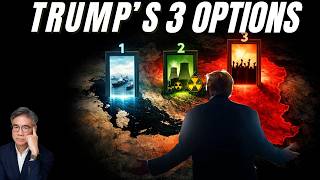
The speaker argues Trump can only exit if he is ahead, and that the likely ways to do so involve taking greater risks rather than backing down. He points to options like escalation around the Strait of Hormuz, seizing enriched uranium, or trying to weaken the regime enough to trigger unrest.
What would a messier war mean for equities, bonds, and the dollar?
The speaker says messier war conditions should mean lower stock prices, and if US stocks fall, US rates and the dollar should follow suit. He frames the market as underpricing the risk of a deeper or longer conflict.
How could the United States regain the initiative without a land assault on the Iranian coast?
The speaker names two main alternatives: trying to seize Iran's enriched uranium stockpile, possibly with ground forces and special operations, or trying to encourage the Iranian public to overthrow the regime. He says both approaches are risky and likely slow to work.
Unlock the full claims, asset map, scores, related transcripts, follow-up questions, and AI chat — shaped around your portfolio, watchlist, favorite speakers, and risks.
