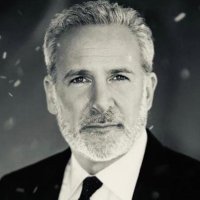
Peter Schiff argues the Fed is badly behind the curve: February PPI was far hotter than expected, housing is weakening, and the Fed’s refusal to hike means real rates are falling as inflation rises. He sees the market’s selloff in gold and miners as a tactical mistake, not a bearish shift in the gold thesis.
Watch on YouTube ›Get the market thesis, key claims, assets, contradictions, and follow-up questions from any financial video — then unlock a version personalized to your portfolio, watchlist, and favorite speakers.
Peter Schiff’s core thesis is that the Fed is effectively admitting it has been wrong on inflation, but still refuses to do the only thing that would matter if inflation is re-accelerating: hike rates. He frames the day’s PPI release as the key signal, saying producer inflation jumped far above expectations and that this was already bad before the oil shock from war-related energy spikes. In his view, this proves inflation never really died; it only looked contained because policy was too loose and the Fed cut rates too soon. He uses the PPI surprise to argue that the market’s immediate reaction—selling gold and silver because rate cuts were pushed out—misses the bigger picture. Schiff’s argument is that gold depends on real rates, not nominal rates. …
Tactically, the setup is choppy and event-driven: hot inflation, a less dovish Fed path, and higher oil can keep pressure on gold/miners in the very near term even if the broader thesis remains intact. The immediate risk is more liquidation before the market refocuses on real rates.
Over the next few weeks and months, Schiff expects inflation to stay sticky enough that the Fed remains stuck between weak growth and rising prices. That should eventually support gold and expose the limits of a no-hike, no-cut posture if inflation continues to run hot.
Structurally, this is a debt-constrained inflation regime: the Fed cannot credibly Volcker its way out without stressing Treasury financing and asset prices. The lasting implication is a weaker dollar, recurring inflation scares, and a persistent bid for hard assets like gold.
Producer price inflation is surging — February PPI rose 0.7% month-over-month, more than double the upper end of consensus forecasts.
Speaker cites the official February PPI release showing 0.7% monthly increase versus expectations of 0.1-0.3%.
The Fed is way behind the curve on inflation and has no ability to rein it back in because it will not hike rates.
Speaker argues that the Fed aborted its fight against inflation prematurely, cut rates too early, and now cannot hike even as inflation reaccelerates.
The Fed's failure to hike rates is bullish for gold because real interest rates matter — if inflation surges and the Fed sits on its hands, real rates go negative.
Speaker argues that the initial gold selloff on hot PPI was algorithmic noise, but the true implication is that real rates will stay low or negative, which is supportive for gold.
Should the Fed look through the war-related increase in oil prices?
The guest says the Fed is not focused on oil yet because it is still trying to determine the effect of tariffs and whether that tariff impact is over. He argues oil was already rising before the war, but the Fed framed tariffs as the more important current issue.
Does the Fed's long period of above-target inflation change how it thinks about policy?
Powell falls back on tariffs as the explanation for the recent miss and says they interfered with progress. The surrounding commentary argues that answer does not explain the other years and that the Fed has repeatedly forecast 2% inflation without delivering it.
Does the fact that you've been so wrong about inflation for so long influence how you're thinking?
Powell fell back on tariffs as an excuse. The speaker notes the Fed has been above target for 5 years but tariffs are only an issue in 2025 — one year out of five — so the Fed has no excuse for the other years and doesn't want to acknowledge how wrong they've been.
Unlock the full claims, asset map, scores, related transcripts, follow-up questions, and AI chat — shaped around your portfolio, watchlist, favorite speakers, and risks.