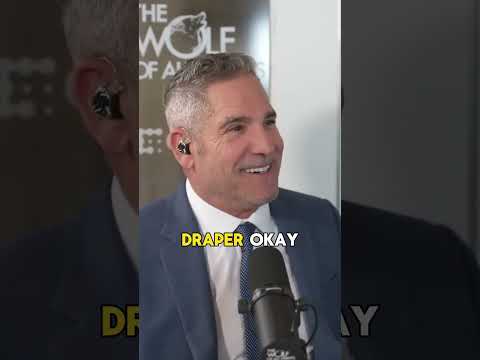
A Crypto/Bitcoin talk that centers on two themes: the aftermath of a heated Macro Monday debate and a bullish, institution-led Bitcoin accumulation thesis. The speakers argue that the market is in a bear phase or late-cycle drawdown, but that retail is emotionally depleted while institutions still have dry powder and are quietly buying. They also highlight privacy as a narrative for adoption, and later pivot into quantum-risk skepticism, automated accumulation tools, and a longer-run view that Bitcoin remains the preferred settlement and reserve asset for a more digital, AI-driven economy.
Watch on YouTube ›Get the market thesis, key claims, assets, contradictions, and follow-up questions from any financial video — then unlock a version personalized to your portfolio, watchlist, and favorite speakers.
This episode is more of a roundtable than a clean interview, with Scott and guests Andrew and Tilman revisiting the recent Macro Monday controversy before moving into Bitcoin market structure. The opening stretches are dominated by the social fallout from the show’s fight with Mike, with the group arguing that the clash was useful rather than harmful because it exposed different time horizons and different schools of thought. Their shared view is that confrontation helps surface blind spots, and that the online reaction was outsized compared with the substance of the disagreement. From there, the conversation turns into a broad Bitcoin-market thesis: the speakers increasingly frame the current environment as a bear market or a painful accumulation phase. …
Tactically, the setup is still fragile and sentiment-heavy: retail is depleted, so price may remain choppy even if institutions are quietly absorbing supply. Near-term downside would not necessarily invalidate the bull case, but a clear loss of institutional bid would be a warning sign.
Over the next few months, the most likely path is a base-building phase where institutional allocation and automated accumulation gradually improve the market structure. Confirmation would come from persistent ETF demand and a steadier tape; if those fade, the current accumulation thesis weakens.
Structurally, the speakers see Bitcoin evolving into the neutral reserve and settlement asset for digital finance, including AI-driven payment flows. The lasting implication is that the market may be migrating from retail speculation toward treasury, infrastructure, and machine-to-machine monetary use.
Bitcoin appears to be in a large accumulation phase with institutions quietly buying.
The speaker cites quiet institutional buying, a wealth transfer from long-time holders, and the view that the recent selloff behavior indicates accumulation rather than distribution.
Institutional investors have substantial cash on the sidelines, while retail investors have very little left to deploy.
The speaker supports this by citing trillions in institutional money market balances and low retail cash allocation near cycle lows.
AI agents will need to settle payments in crypto with each other, making crypto the only viable money rail for that use case.
The speaker argues that autonomous AI systems will need a common settlement medium and that crypto is the only transaction language that can work between them.
What did CZ identify as the main thing holding back crypto adoption?
How should people interpret the conflict from Macro Monday, and what does it say about market bottoms?
The speakers frame the clash as healthy tension rather than a problem, arguing that uncomfortable debate is useful and that both sides made valid points. One speaker even says the episode may have marked a bottom because it was unusually entertaining and emotionally intense.
Why is Mike McLoughlin important to the show, despite disagreements with him?
He’s described as serving the macro side of Macro Monday and bringing a tradfi perspective that challenges the hosts' thinking. The speakers argue that disagreement helps expose blind spots and is necessary for a meaningful show.
Unlock the full claims, asset map, scores, related transcripts, follow-up questions, and AI chat — shaped around your portfolio, watchlist, favorite speakers, and risks.