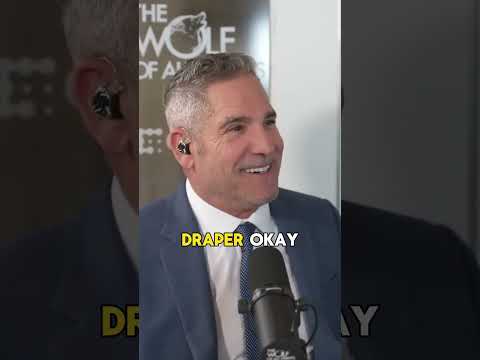
This is a lively three-way market chat centered on Bitcoin’s current drawdown and the hosts’ view that the selloff is largely a paper/liquidation event rather than a broken long-term thesis. The speakers argue that weekly RSI is oversold, that Bitcoin is entering a historically attractive accumulation window, and that Wall Street products like ETFs and options have become the main price-control mechanism.
Watch on YouTube ›Get the market thesis, key claims, assets, contradictions, and follow-up questions from any financial video — then unlock a version personalized to your portfolio, watchlist, and favorite speakers.
The core thesis is straightforward: Bitcoin’s recent weakness is viewed as an accumulation opportunity, not a thesis break. The speakers repeatedly frame the drop as a liquidity-driven, paper-market event amplified by leveraged products, options flows, and ETF structures. They cite a weekly oversold RSI, the idea that only a handful of prior weekly oversold readings have coincided with bottoms, and the recurring pattern that similar setups have led to long consolidation periods before the next leg higher. The opening hook is explicit: “you have only 150 days to accumulate Bitcoin at these levels before they are never seen again.” A lot of the discussion is about why this cycle feels different. …
Tactically, the setup is a volatile Bitcoin squeeze candidate: the downside flush may not be finished, but the same positioning that hit price lower can reverse sharply if liquidity stabilizes. Near-term traders should treat leverage as the main risk and ETF/options flow as the main catalyst.
Over the next few weeks and months, the base case is choppy consolidation with opportunistic dips, followed by a potential upside resolution if institutional inflows and product demand stay firm. The view weakens if ETF demand fades or if liquidation pressure keeps overwhelming spot buyers.
Structurally, the transcript argues that Bitcoin has crossed into a Wall Street-led regime where it functions as a savings and reserve asset inside a broader financial system. If that adoption path persists, the long-run implication is not just higher prices but a durable shift in how capital markets store and hedge value.
Bitcoin's weekly RSI being oversold is a bottom signal that historically has led to a 150-to-250-day accumulation window before higher prices.
The speaker says weekly RSI oversold has only happened at bottoms and points to repeated 150-to-250-day sideways periods before the market moved higher.
Bitcoin could remain near current levels for 150 to 250 days, during which traders should accumulate on dips.
The speaker explicitly says that if the historical RSI pattern repeats, price may consolidate for 150 to 250 days and that he would buy 3% dips in that range.
Bitcoin is now primarily controlled by Wall Street paper products rather than miners, ICOs, or exchange supply.
The speaker argues that Bitcoin's supply dynamics have shifted over time and that this cycle is firmly controlled by Wall Street through ETFs, synthetics, and derivatives activity.
What is your conference talk about?
He says he plans to discuss the pivot in the digital asset treasury space, away from pure accumulation and hope, toward revenue-producing businesses that can acquire more of the asset like a real public company should.
Why do treasury companies seem like an unsustainable way to get Bitcoin exposure?
The guest says treasury companies rely on debt and a synthetic, Wall Street-engineered structure that is not sustainable over long periods. He contrasts that with Bitcoin’s sovereignty and says there are safer ways to gain Bitcoin exposure.
How should investors think about holding Bitcoin instead of cash?
The guest agrees with framing Bitcoin as a savings vehicle rather than a speculative purchase. He says the real issue is not calling it an investment, but deciding whether to keep cash losing value or move savings into Bitcoin.
Unlock the full claims, asset map, scores, related transcripts, follow-up questions, and AI chat — shaped around your portfolio, watchlist, favorite speakers, and risks.