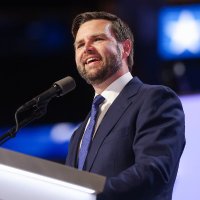
JD Vance says talks with Iran are still progressing despite what he describes as confusing behavior from Iranian negotiators and misleading social-media chatter. He pushes back on the idea that a brief awkward exchange signaled a breakdown, saying the U.S. kept meeting with the Iranians for hours afterward.
Watch on YouTube ›Get the market thesis, key claims, assets, contradictions, and follow-up questions from any financial video — then unlock a version personalized to your portfolio, watchlist, and favorite speakers.
This short clip is not a market thesis in the usual sense; it is a geopolitical soundbite about Iran negotiations, with only indirect relevance to markets through the implications for oil, risk assets, and broader Middle East tension. The core message from JD Vance is that the U.S. side views the negotiations as ongoing and constructive enough to continue, even if the Iranian team’s behavior looks erratic or hard to read. Vance explicitly frames the Iranians as “extremely confusing negotiators,” but says that after the awkward moment flagged by the interviewer, the parties still had “a series of really good meetings.” He also tries to dismiss the idea that social media reporting reflected the real state of talks, noting that after the initial meeting there was a “social media firestorm” predicting the Iranians would leave, yet they talked for “like the next 9 hours.” That is the main …
Immediate risk is headline whipsaw around Iran diplomacy; the clip suggests the market may be overreacting to social-media chatter if talks are still active.
If follow-on meetings continue, the base case is a slow grind toward negotiation rather than escalation; if talks stall, the market would likely reprice geopolitical risk quickly.
Iran diplomacy remains a recurring geopolitical overhang that can alter risk premia across oil and equities, but this clip does not change the underlying structural uncertainty.
The Iranians can be confusing negotiators.
Direct characterization of the negotiating counterpart.
The U.S. and Iranian sides had several good meetings after the awkward public moment.
He says the initial exchange did not stop the negotiation process.
Media should distrust Iranian social media posts about the negotiations.
He explicitly warns the audience not to overread online chatter.
Did you feel snubbed by Arra not greeting you and walking out of the room? Was it an intentional move on their part?
The speaker says he trusts his experience dealing with Iranians over months; he finds them confusing as negotiators but notes they had good meetings afterward and talked for 9 more hours. He did not directly say he felt snubbed, instead reframing it as confusing behavior and encouraging the media not to trust Iranian social media.
Unlock the full claims, asset map, scores, related transcripts, follow-up questions, and AI chat — shaped around your portfolio, watchlist, favorite speakers, and risks.