
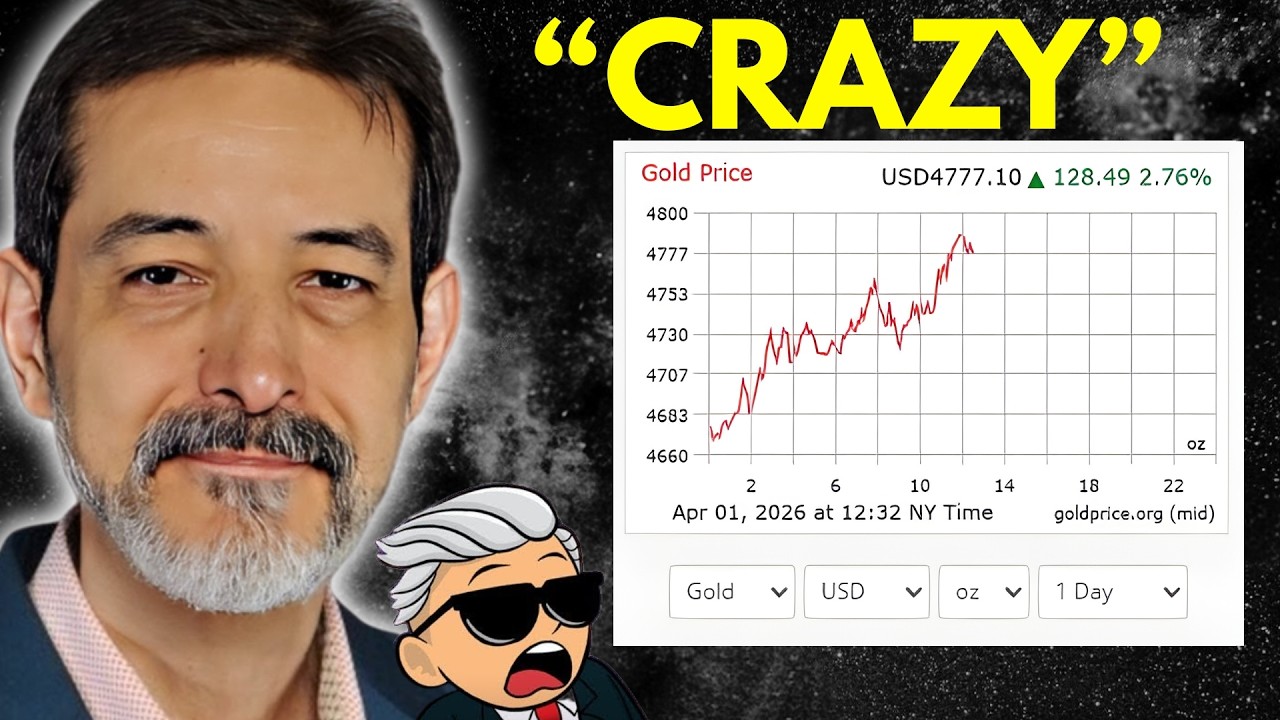
A precious-metals interview focused on silver, gold, and uranium, with the guest arguing that the recent metals pullback was driven by the old ‘Fed/inflation’ narrative returning, not by a broken bull market. He remains bullish longer term, but expects correction and consolidation, and thinks geopolitical energy shocks mainly strengthen the case for uranium and nuclear power.
Watch on YouTube ›Get the market thesis, key claims, assets, contradictions, and follow-up questions from any financial video — then unlock a version personalized to your portfolio, watchlist, and favorite speakers.
The video opens as a channel promo and giveaway announcement, then shifts into an interview between host Ivan and guest Lobo Tra of independentspeculator.com. The discussion centers on recent strength and volatility in silver and gold, the market’s renewed tendency to trade precious metals through the lens of inflation, oil, and Federal Reserve expectations, and the broader geopolitical backdrop involving the Straits of Hormuz, Iran, Russia, China, Europe, and energy security. Lobo’s main view is that the pullback in gold and silver is not evidence the bull market is over. Instead, he argues that the ‘wrong trousers’ narrative has returned: markets are reacting to high oil prices, assuming inflation will stay elevated, and concluding that the Fed may delay cuts or even raise rates, which is then used as a reason to sell gold. …
Near term, metals look vulnerable to choppy consolidation because traders are again pricing gold through oil, inflation, and Fed expectations. That creates pullback risk even if the longer bull case remains intact.
Over the next few months, the base case is a messy consolidation rather than a trend reversal, with upside resuming only after the market stops treating every energy spike as a reason to sell gold. Uranium should keep improving if energy-security concerns stay elevated.
The structural read is that geopolitical fragmentation and energy insecurity are reinforcing demand for hard assets and nuclear fuel. In that regime, bullion remains insurance while uranium benefits from the push for dependable baseload power.
The recent move in gold and silver is being driven again by the old inflation/Fed narrative.
He says the market has reverted to worrying that higher oil means higher inflation, which may prevent Fed cuts or even force hikes.
Gold and silver remain in a larger bullish trend despite the current pullback.
He explicitly says he is bullish on both metals and expects consolidation before the next big move higher.
Even if the Middle East conflict ends quickly, energy prices may stay elevated for months or years because infrastructure damage takes time to normalize.
He argues that a rapid ceasefire would not immediately remove the inflationary effect from damaged infrastructure.
What are your thoughts on the recent uptick in silver and gold and whether the initial sell-off and rush into the U.S. dollar has faded?
Lobo says the rebound is ironic because the old Fed/inflation trade has returned. He thinks oil-driven inflation fears and hawkish Fed expectations are pressuring metals again, even though longer-term the bull case is intact.
Where do you think silver and gold are going from now to the end of 2026, medium-term and long-term?
He is bullish on both metals, but expects a correction and consolidation phase that could last much of the year before the next leg higher.
If the war continues or refineries are bombed, what would an energy crisis look like and how would it affect the markets?
He says the situation could become very large and have China-related strategic implications, but the clearest market outcome is stronger urgency around energy independence and nuclear power.
Unlock the full claims, asset map, scores, related transcripts, follow-up questions, and AI chat — shaped around your portfolio, watchlist, favorite speakers, and risks.
