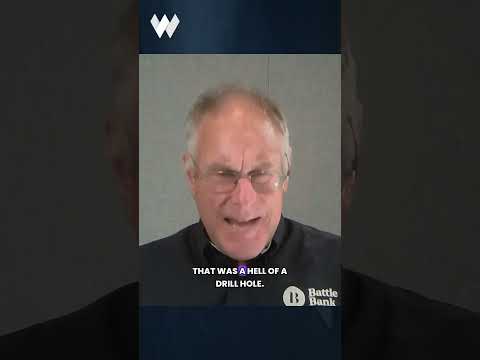
The speaker argues the Fed’s stated dual mandate is no longer the real operating goal. In his view, Fed meetings are now mainly about preserving market stability—especially preventing a stock or bond market crash—rather than genuinely focusing on price stability or employment.
Watch on YouTube ›Get the market thesis, key claims, assets, contradictions, and follow-up questions from any financial video — then unlock a version personalized to your portfolio, watchlist, and favorite speakers.
The speaker’s core thesis is blunt: he says the Federal Reserve’s “dual mandate of stable prices and full employment” is “baloney,” and that those mandates are effectively “out the window.” He argues that when the Fed meets now, the real objective is not the public-facing mandate but keeping the financial system stable. He narrows that idea further by saying the Fed’s practical focus is liquidity, but even that is not the deepest issue. The deeper objective, he says, is “stability” in the sense of making sure “the stock market doesn’t crash and the bond market doesn’t crash.” In other words, he frames the Fed as a market-support institution, implicitly more concerned with asset-price and funding-market fragility than with its stated macroeconomic goals. The transcript is extremely short, so there is no extended supporting evidence, data, or counterexample offered beyond the speaker’s …
Tactically, the clip argues the Fed is still a market backstop, so near-term stress in equities or Treasuries could prompt supportive policy signaling. No concrete trade level or catalyst is given.
Over the coming weeks/months, the implied base case is that policymakers will keep leaning toward stability if markets wobble, even if inflation remains uncomfortable. That view would change if the Fed clearly prioritizes inflation control during turbulence.
Structurally, the speaker is arguing that the Fed functions as a market-stability institution rather than a pure inflation/employment manager. If that regime persists, investors may continue to expect an implicit policy backstop under both stocks and bonds.
The Fed's actual objective at meetings is market stability — preventing stock and bond market crashes — rather than its stated dual mandate of price stability and full employment.
The speaker argues that the Fed's real focus during meetings is manipulating markets to avoid crashes, not pursuing its official mandates.
Unlock the full claims, asset map, scores, related transcripts, follow-up questions, and AI chat — shaped around your portfolio, watchlist, favorite speakers, and risks.