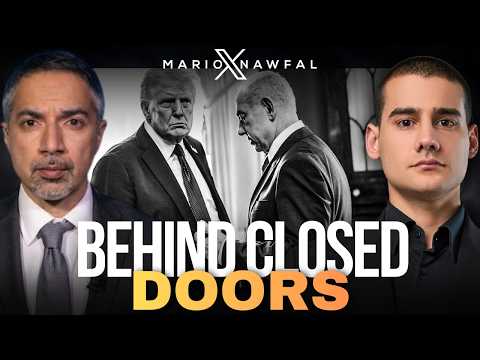
The video is a geopolitical interview about reported U.S. pressure on Israel after the Iran war and the new limits on Israeli military freedom in Lebanon and, possibly, Gaza. The guest argues that Washington is signaling real constraints on Israel, that this is already provoking panic in Israeli politics, and that the postwar ceasefire framework implies a phased Israeli withdrawal while still leaving room for skirmishes and ambiguity.
Watch on YouTube ›Get the market thesis, key claims, assets, contradictions, and follow-up questions from any financial video — then unlock a version personalized to your portfolio, watchlist, and favorite speakers.
The core thesis is that the Trump administration is no longer giving Israel unlimited operational freedom, and that this shift matters both tactically in Lebanon and strategically after the Iran war. The speaker argues that the U.S. is signaling meaningful pressure behind the scenes, not just rhetorical dissatisfaction, and that Washington may be willing to apply real leverage on Israel if needed to preserve a deal. In his framing, this is one of the biggest changes in the postwar environment: Israel can no longer assume it can act with total impunity, and the political system in Israel is reacting accordingly. He points to media reports, especially Channel 13 and the New York Times, describing new operational guidelines in Lebanon. …
Near term, the setup is fragile: if the reported U.S. constraints are real, they could cap Israeli escalation, but any border incident could still undo the calm quickly.
Over the next few weeks, the likely path is a managed ceasefire with periodic ambiguity and political pressure inside Israel; the key question is whether Washington keeps enforcing limits when Israel resists.
Structurally, the excerpt points to a new regional regime where Israel’s freedom of action is less unilateral and U.S. policy may tolerate some Iranian-aligned influence in Lebanon rather than trying to erase it outright.
New Israeli military directives limit operations in Lebanon to defensive actions only, removing the previous freedom for individual soldiers to initiate fire at will.
Citing NYT report on new IDF rules of engagement in southern Lebanon.
Trump administration officials have been telling Israel that their era of completely unlimited restrictions and maneuverability in Lebanon and other fronts is now over.
Referencing a Channel 13 report about US officials communicating new constraints to Israel.
The US has accepted Iran's influence in southern Lebanon, reversing Israel's previous goal of erasing any trace of Iranian influence there.
Speaker interprets new US restrictions on Israeli operations as implicit acceptance of Iranian/Hezbollah presence in southern Lebanon.
What are the new Israeli operational restrictions in Lebanon and Gaza?
The guest explains that the directives restrict offensive freedom: Israeli forces can still act in self-defense, but they can no longer shoot whenever they want, fire warning shots at civilians, or demolish buildings without higher approval. He says this is consistent with a ceasefire framework and signals a broader acceptance of Iranian influence in southern Lebanon.
What does Israel's kicking and screaming look like as it loses freedom of action and American backing?
The guest says Israel will try to use donors and other channels to push back, and there will still be skirmishes and challenges in Lebanon. He argues the new directives mainly remove Israel's prior impunity and force more discipline, while a phased Israeli withdrawal from Lebanon is still expected.
Unlock the full claims, asset map, scores, related transcripts, follow-up questions, and AI chat — shaped around your portfolio, watchlist, favorite speakers, and risks.