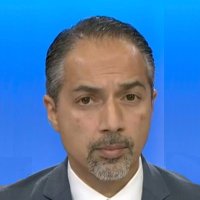
This is a geopolitical interview about Trump, Iran, and Israel rather than a market tape video. Trita Parsi argues the Trump administration is trying to force a new U.S.-Israel relationship, with Washington willing to pressure Netanyahu more directly — even by signaling support for Israeli opposition figures — if Trump wants a deal with Iran to define his legacy. He also says Iran came out stronger from the war in a military/political sense, but he thinks claims that Iran is now a regional superpower are overstated because it still faces major internal, economic, and diplomatic constraints.
Watch on YouTube ›Get the market thesis, key claims, assets, contradictions, and follow-up questions from any financial video — then unlock a version personalized to your portfolio, watchlist, and favorite speakers.
This transcript centers on a single geopolitical thesis: the Trump administration may be moving toward open pressure on Netanyahu in order to secure a deal with Iran, and that could include even signaling support for Netanyahu’s domestic rivals. Trita Parsi says the reported back-channeling to Israeli opposition figures fits a broader warning shot: “You don’t go to that step right away,” he says, describing it as a way to show “the direction of travel” if the conflict with Trump continues. In his view, the interests of the U.S. government, Trump’s political legacy, and Netanyahu’s personal survival are now colliding in a way that makes compromise unlikely. Parsi frames Netanyahu as trapped. He argues Netanyahu needs war in Lebanon and must block any U.S.-Iran agreement to stay politically alive in Israel. …
Tactically, the setup is all about headline risk: if Trump keeps leaning into an Iran deal and Netanyahu resists, expect louder pressure on Israel and fast reversals in sentiment. The immediate tradeable variable is not a market level but the next political leak, ceasefire signal, or public Trump/Vance statement.
Over the next few weeks to months, the base case is escalating U.S. leverage over Netanyahu if the Iran agreement advances, with Iranian countermeasures designed to preserve the deal rather than blow it up. The path changes if Trump stops treating the Iran file as a legacy anchor or if Israeli politics produce a negotiated off-ramp for Netanyahu.
Structurally, Parsi’s view implies a shift away from unconditional U.S.-Israel alignment and away from pure containment of Iran. If that regime change holds, the region trends toward bargaining, interdependence, and collective-security logic rather than permanent pressure and proxy escalation.
The US administration under Trump is changing the entire paradigm of Israeli-American relations, moving toward a more balanced and realistic relationship.
Speaker cites Vance's comments and Trump's MOU as evidence of a deliberate shift, noting broad support among realists/restrainers in the administration.
Iran came out stronger out of this war despite being attacked, but claims of Iran becoming a regional or global superpower are overstated.
Speaker acknowledges Iran's asymmetric success and leverage from strait control but notes severe internal economic problems and strategic constraints.
If the US-Iran MOU moves toward a final agreement, US and Israeli interests under Netanyahu are diametrically opposed and cannot be reconciled.
Speaker argues Netanyahu faces political destruction if a US-Iran deal goes through, making clash inevitable.
What is the solution when Netanyahu's political needs and Trump's goals diverge so sharply?
The guest says there is no real way to square the circle because U.S., Israeli, and Netanyahu's personal interests are now diametrically opposed. He argues the situation is likely to get ugly rather than resolve neatly.
How likely is Trump to endorse a rival to Netanyahu if Netanyahu resists his ceasefire request?
The guest says he thinks it is likely, though not certain, depending on how both sides play their cards. He says Trump could use support for a Netanyahu rival as pressure if the Iran and Lebanon issues continue to clash with Netanyahu's interests.
Is the shift in U.S. rhetoric toward Israel something you feel good about?
The guest says he is undoubtedly happy to see a more realistic U.S.-Israel relationship, including pressure on Israel when it does seriously bad things. He adds that he is not calling for a negative relationship, only a more balanced one.
Unlock the full claims, asset map, scores, related transcripts, follow-up questions, and AI chat — shaped around your portfolio, watchlist, favorite speakers, and risks.