TranscriptAgent
Try it free
TRANSCRIPTAGENT.AI · transcript analysis

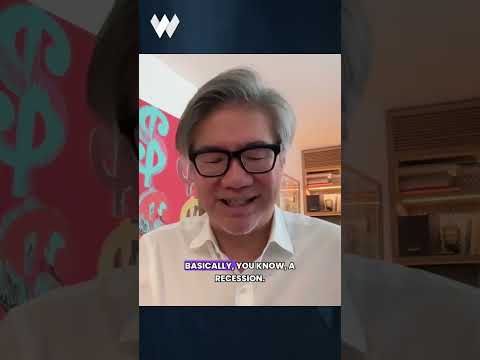
David Woo: Why Gold WINS if the Fed Doesn't Cut #Gold #Fed #Stagflation

Channel: Wealthion Published: 2026-04-22 10:51
Wealthion

The speaker argues gold is most bullish in a regime where stocks fall, oil stays high, bonds hold up, and the Fed refrains from further hikes, because gold acts like a bond proxy and loses appeal when rates rise.

Watch on YouTube ›

Get the market thesis, key claims, assets, contradictions, and follow-up questions from any financial video — then unlock a version personalized to your portfolio, watchlist, and favorite speakers.

Detailed summary

This is a tightly focused macro thesis clip about gold. The speaker’s core view is that gold should be analyzed less as a simple inflation hedge and more as a bond-like, yield-competing asset. They say oil is effectively trading with the bond market rather than the stock market, and that oil tends to struggle when bonds are being sold off. They then extend that logic to gold, saying higher interest rates make bonds more attractive and therefore reduce the appeal of a non-yielding asset like gold. The optimal setup for gold, in their view, is a cross-asset stress regime: stocks are falling, war keeps oil elevated, recession fears rise, the Fed does not raise rates, and bonds remain relatively supported. The speaker thinks the market may be moving toward that environment, but explicitly says it has not arrived there yet, so they are not treating gold as an unconditional buy right now.

Main takeaways

  1. Gold is framed as a bond proxy, not just an inflation trade.
  2. Oil is described as trading more with bonds than with equities.
  3. The best gold backdrop is weak stocks, higher oil, and stable bonds.
  4. Recession fears can help gold if they prevent the Fed from tightening.
  5. The speaker thinks that bullish setup may be coming, but it is not in place yet.

Market read by horizon

Short term

Tactically, gold only looks compelling if equities weaken, oil stays firm, and the market stops pricing Fed hikes. Until that mix is visible, this is more a watchlist setup than an active trade.

  • Watch whether stocks start weakening while oil remains elevated.
Show more
  • The immediate bullish trigger for gold is the market believing the Fed will stay on hold.
  • If bonds sell off alongside equities, the setup is less favorable for gold.
Mid term

Over the coming weeks or months, the constructive path is a stagflation-style regime where growth fears keep the Fed on pause while bonds remain relatively supported. That would validate a stronger gold trend.

  • Over the next several weeks or months, the base case is a potential shift into a stagflation-like mix: weaker equities, firm energy prices, and a Fed constrained from tightening.
Show more
  • Gold becomes more compelling if recession fears intensify and bonds hold up despite growth stress.
  • The thesis weakens if the Fed turns more hawkish or if bond markets deteriorate sharply.
Long term

Structurally, the clip argues gold is a yield-sensitive policy asset as much as a commodity. The durable thesis is that falling real-rate pressure and a less hawkish Fed create the regime most favorable to gold.

  • Structurally, the clip argues that gold should be valued as a policy-sensitive, yield-competing asset.
Show more
  • The durable implication is that real rates and bond-market conditions matter more for gold than simplistic inflation narratives.
  • If this framework holds, gold’s secular strength comes when the market expects lower policy pressure and accepts slower growth.
Unlock the full horizon read See the full short-term, mid-term, and long-term implications with confirmation and invalidation signals. Unlock horizon read

Key claims (5)

NEUTRAL rates and yields Oil

Oil is trading more with the bond market than with the stock market.

The speaker explicitly says oil is really trading with the bond market and notes that oil struggles when bonds are selling off.

BULLISH real rates Gold

Gold behaves more like a bond proxy than a standalone commodity.

He argues gold becomes less attractive when interest rates rise because bonds offer yield, implying gold is comparatively bond-like.

BULLISH stagflation Gold

The optimal environment for gold is a falling stock market combined with higher oil and a Fed that is not raising rates.

He lays out a multi-factor setup that he says would be very bullish for gold.

Unlock 2 more claims See the full bullish, bearish, and counter-consensus argument map extracted from the transcript. Unlock all claims

Assets discussed (5)

Gold — XAU
BULLISH commodity

Speaker says gold is most bullish when stocks fall, oil rises due to war, and the Fed is not raising rates, with bonds doing okay.

Oil — CL
MIXED commodity

He says oil trades more with the bond market than the stock market and can be higher in the bullish gold setup due to war.

Unlock the full asset map (3 more) See all assets mentioned, their directional bias, and the exact reasoning. Unlock asset map

Where this transcript pushes against consensus

  • The bond-proxy framing for gold is asserted without historical evidence or examples.
  • The claim that oil trades with bonds is plausible but not demonstrated in the clip.
  • The speaker says the setup is approaching, but provides no timing, probabilities, or clear trigger.
  • The implied policy path is underexplained: higher oil and falling stocks could also pressure the Fed in ways not addressed here.

Topics

goldFed policybond marketoilstocksrecession fearsratesstagflation

Create your free research agent

Unlock the full claims, asset map, scores, related transcripts, follow-up questions, and AI chat — shaped around your portfolio, watchlist, favorite speakers, and risks.

  • Full claims and asset map
  • Personalized relevance to your watchlist
  • Follow-up questions you can track
  • Related transcripts from your workspace
  • AI chat about this video
Create your free research agent
TRANSCRIPTAGENT.AI