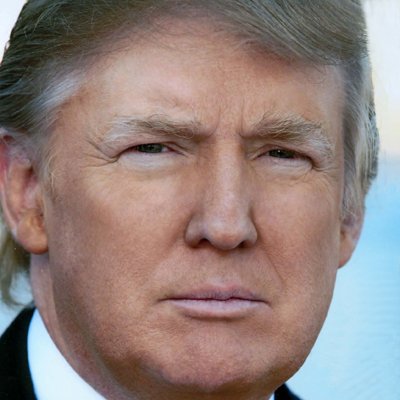
French TV panel on the Iran–US confrontation centered on Tehran’s naval harassment in/near the Strait of Hormuz, US blocus and military posture, and spillover into Lebanon/Hezbollah and the death of a French soldier.
Watch on YouTube ›Get the market thesis, key claims, assets, contradictions, and follow-up questions from any financial video — then unlock a version personalized to your portfolio, watchlist, and favorite speakers.
This segment is a geopolitics-heavy studio discussion rather than a market wrap. The anchors frame the story as Iran openly provoking the United States while a fragile ceasefire or pause in escalation is in place. The discussion focuses on three main threads: (1) Iran’s messaging and tactical actions, including propaganda clips, small armed boats, possible mine-laying, and claims that the regime is trying to humiliate Trump and preserve leverage; (2) the American response, including White House comments, reported uncertainty around next steps, continued naval blockade, logistics flights into Ben Gurion, and the possibility of renewed strikes; and (3) the wider regional spillover, especially Lebanon, Hezbollah, FINUL/UNIFIL, and the death of a French soldier from wounds sustained there. Several speakers argue that the Iranian regime is not simply bluffing, but is using asymmetric …
Immediate setup is a fragile ceasefire/pause with real risk of renewed strikes or maritime escalation if either side misreads the other. The tactical issue is whether Hormuz disruption and military logistics headlines keep intensifying.
Over the next few weeks, the more likely path on-air is a tense standoff with intermittent coercion rather than a clean resolution. Validation would come from sustained reinforcement, persistent blockade pressure, and no credible negotiated off-ramp; reversal would require an actual ceasefire framework and visible de-escalation.
The structural read is that the Gulf remains governed by asymmetric deterrence: cheap boats, mines, drones, and propaganda can still challenge a superior navy and shape energy-security risk. The transcript implies a durable regime of recurring Hormuz and Lebanon flashpoints rather than a one-off crisis.
Iran is provoking the United States through ship seizures and maritime harassment despite the ceasefire-like pause.
The opening repeatedly says Iran is attacking or provoking ships while the panel discusses renewed pressure in the Strait of Hormuz.
Iran believes it survived the first phase of war and is using that perception to avoid a weak negotiating position.
A speaker explicitly says the regime feels it has won the first phase and struggles to find a middle position for talks.
The White House says there is no firm deadline for the ceasefire and that Trump does not view the seizure of two ships as a ceasefire violation.
This is attributed to Caroline Levit via Sonia Dridi.
Est-ce que l'Iran semble presque désirer les bombardements américains ?
Galager Phen explique que la stratégie d'usure iranienne commence à se retourner contre eux, donc ils cherchent un événement décisif. Ils sont convaincus d'avoir gagné la première phase de la guerre, ce qui explique leur difficulté à trouver une position médiane pour négocier avec les Américains.
Qu'est-ce que Donald Trump a dans la tête ? Est-ce qu'il prépare un bombardement plus fort ou cherche-t-il une porte de sortie ?
Sonia Dridi répond qu'on a l'impression d'un président lassé par cette guerre qui cherche une porte de sortie, et d'une administration dépassée par les méthodes iraniennes. La porte-parole a dit qu'il n'y avait pas d'échéance ferme pour le cessez-le-feu et que Trump ne considérait pas la saisie de deux navires comme une violation du cessez-le-feu.
Comment est-ce que vous comprenez ces images de la République islamique qui prétend qu'elle a le temps et la force pour elle, alors même qu'elle est sous le coup de bombardements potentiels ?
Le général répond que les Iraniens jouent l'humiliation de Trump pour trois raisons: 1) le pays a souffert donc ils veulent faire payer Trump; 2) pour leur légitimité vis-à-vis du peuple iranien; 3) pour se mettre en position de force pour les négociations en faisant du Trump à Trump. Le risque est que Trump le prenne mal mais ça lui paraît peu plausible.
Unlock the full claims, asset map, scores, related transcripts, follow-up questions, and AI chat — shaped around your portfolio, watchlist, favorite speakers, and risks.