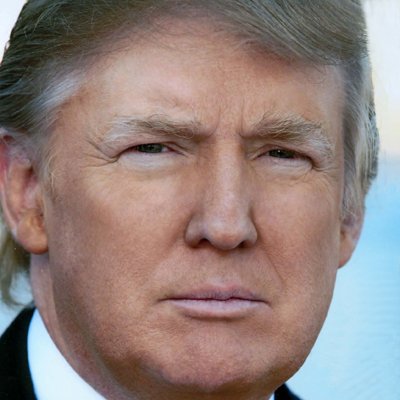
A Friday Bulwark economy segment centered on the dropped DOJ criminal probe of Fed Chair Jerome Powell, the confirmation path for Kevin Warsh, deteriorating consumer sentiment, and Trump’s Spirit Airlines stake. The speakers argue the Powell move may be a partial retreat but not a clean end, and they frame the broader economy as weakening even if headline conditions are not yet recessionary.
Watch on YouTube ›Get the market thesis, key claims, assets, contradictions, and follow-up questions from any financial video — then unlock a version personalized to your portfolio, watchlist, and favorite speakers.
JVL and Katherine Rampell open with the news that DOJ/Fed-related investigators have backed off the criminal probe of Jerome Powell, but they repeatedly stress that the situation is not fully resolved because an IG review was already underway, the appeal question remains unclear, and Janine Pirro’s language leaves the door open to restarting the case. They connect this to the looming transition at the Fed: Powell’s chair term is near ending, Kevin Warsh is the likely successor, and Sen. Thom Tillis has effectively tied Warsh’s confirmation to the probe being definitively dropped. The discussion focuses on whether Warsh would actually act independently once in office or instead bend toward Trump’s rate-cut preferences. …
Near term, the actionable issue is whether the Powell probe is truly dead and whether that unlocks Warsh’s confirmation without a fresh market fight. The setup is still fragile because any sign the investigation can be revived would keep Fed-risk and rate-path uncertainty elevated.
Over the next few months, the market likely trades a weaker growth/higher-inflation mix unless labor data improves and energy costs stabilize. If Warsh gets confirmed, the key test is whether he governs like an institutional Fed chair or as a proxy for Trump’s rate agenda.
The durable implication is that Fed independence and capital allocation can be undermined when political loyalty becomes a screening mechanism for policy appointments and business outcomes. That raises the long-run risk premium for US assets if investors start pricing politics as a core input, not a side variable.
The DOJ appears to be curtailing its criminal investigation into Jerome Powell, but the situation is not fully settled.
The speakers say Pirro announced she was stopping the investigation for now, but also note possible appeal activity and an open door to restart it.
The Powell probe was politically motivated, tied to Trump’s frustration over interest-rate policy.
Rampell says Trump launched the probe through Janine Pirro and was angry Powell was not cutting rates enough.
Kevin Warsh could face similar pressure from Trump if he becomes Fed chair and does not cut rates aggressively.
They explicitly worry that Warsh may be investigated or pressured if he fails to do Trump’s bidding on rates.
Can you explain why the move to curtail the Powell investigation is really a surrender disguised as toughness?
She says it is partly a surrender and partly not. She explains that an already-existing inspector general investigation was underway, but she also notes the status of the appeal and public statements is unclear, so it is not obvious the investigation is truly over.
What happens to Jerome Powell and Kevin Warsh if this investigation is really dropped?
She says Warsh could still face conflict with Trump over interest rates, and Powell might remain on the board as a regular member for a couple more years, though that almost never happens. She also says the drama may not actually be over.
Is it common for the Fed chair to be at odds with the rest of the board?
She says no; the Fed is usually consensus-driven and board unanimity is the norm, with only rare recent dissents. She adds that even members who disagree often still vote with the majority.
Unlock the full claims, asset map, scores, related transcripts, follow-up questions, and AI chat — shaped around your portfolio, watchlist, favorite speakers, and risks.