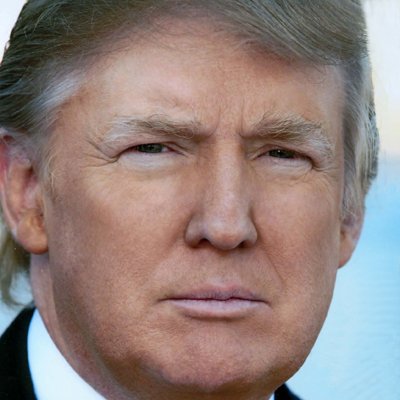
A Valuetainment segment argues that Trump publicly forced attention onto an Iranian execution case involving eight women, and that the resulting spotlight either prevented the executions or compelled Iran to quietly back down. The hosts frame skepticism as partisan bias and use the story to criticize Iran as a regime willing to kill its own people.
Watch on YouTube ›Get the market thesis, key claims, assets, contradictions, and follow-up questions from any financial video — then unlock a version personalized to your portfolio, watchlist, and favorite speakers.
The video opens with a discussion of Trump’s claim that he intervened on behalf of eight Iranian women who were allegedly scheduled for execution. The speakers say social media users dismissed the story as fake or AI-generated, but they argue the specificity of Trump’s account and Reuters/IRGC denial do not disprove it. Their core point is that even if Iran is saving face publicly, Trump still achieved something important by putting the case in the spotlight and increasing pressure on the regime. The discussion then broadens into a wider critique of Iran and authoritarian regimes. One speaker argues that Iran’s government is capable of mass killing its own citizens and says people should not trust the regime’s version of events over Trump’s. …
Near term, this is a credibility and headline-risk story rather than a market catalyst; the actionable issue is whether the Iran execution claim gets corroborated or collapses under scrutiny. The immediate read is binary: either Trump’s pressure story gains traction, or it becomes another partisan misinformation fight.
Over the next few weeks, the segment’s base case is that regime-abuse stories will keep surfacing and that public exposure can force tactical concessions even when governments deny them. The key confirmation is whether repeated cases show that spotlight and pressure change behavior, versus merely creating media noise.
The structural thesis is that authoritarian systems preserve power through secrecy, coercion, and willingness to inflict mass harm, which makes public exposure a durable counter-tool. In that regime, information and legitimacy matter because visibility can raise the cost of repression even if it does not eliminate it.
Trump said he asked Iran not to execute eight young women and that they would not be executed.
This is the central factual assertion discussed at the start of the transcript.
Even if Iran is denying the story, publicly spotlighting the case can still pressure regimes to change behavior quietly.
A speaker argues that publicity itself can force authoritarian actors to back off without admitting it.
The Iranian regime is willing to kill its own people at scale, which is presented as evidence of autocratic durability.
Adam cites regime brutality and a Mattis clip to argue that mass internal violence is a key indicator of authoritarian survival.
Unlock the full claims, asset map, scores, related transcripts, follow-up questions, and AI chat — shaped around your portfolio, watchlist, favorite speakers, and risks.