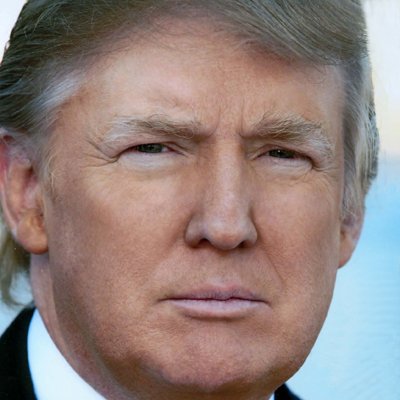
French morning show focused on the Iran conflict, the collapse of French influence in the Middle East, and domestic political incompetence/censorship themes. The main substantive guest, Roland Lombardi, argued that Trump is trying to extricate himself from a strategic mistake in Iran, while France has become largely irrelevant diplomatically and should at least maintain a prudent presence around the Gulf.
Watch on YouTube ›Get the market thesis, key claims, assets, contradictions, and follow-up questions from any financial video — then unlock a version personalized to your portfolio, watchlist, and favorite speakers.
This transcript is a live morning program on Tocsin hosted by Nicolas Vidal. The first segment is a long editorial that mocks French political leaders for incompetence, debt, censorship, and hypocrisy. The editorial frames current French institutions as unserious and claims political stupidity and mediocrity are an untapped fiscal resource, then pivots to criticism of officials like Sébastien Lecornu, Jean-Noël Barrot, Yaël Braun-Pivet, Gérard Larcher, and others. It also introduces the day’s guest lineup, including geopolitical, liberty, and media commentators. The main substantive discussion is with Roland Lombardi, described as a historian, Middle East specialist, teacher, and editorial director of Le Diplomate. The conversation centers on the Iran conflict, U.S. President Donald Trump’s position, and the French role in the Middle East. …
Immediate setup is all about headline risk around Iran: any new strike, retaliation, or ceasefire breach can trigger sharp moves in oil and risk sentiment. Tactical focus should stay on escalation headlines, Hormuz-related flow risk, and whether Trump keeps signaling de-escalation.
Over the next few weeks, expect a choppy de-escalation attempt rather than a clean settlement, with Trump trying to contain damage and avoid a larger commitment. The key confirmation is whether the conflict stays localized; if proxies broaden the fight, the market narrative shifts back to supply shock and regional risk premium.
The long-run implication is a weakened European/French diplomatic posture in the Middle East and a more fragmented Western response to regional crises. If this pattern persists, France remains a secondary actor and geopolitical shocks in the Gulf keep translating into recurring European vulnerability.
Trump is trying to extricate himself from the Iran conflict because he made a strategic mistake and is now under pressure from his MAGA base.
Lombardi says Trump broke his anti-war promise and lost support among voters who backed him for avoiding Middle East wars.
The Iran conflict is extremely hard to read and is unfolding in a genuine fog of war.
The guest emphasizes uncertainty, rapid changes, and contradictory signals from strikes and ceasefire claims.
The recent U.S. action is best understood as pressure within ongoing negotiations rather than a clean ceasefire breakdown.
Lombardi says the official ceasefire is not formally broken and frames the latest strikes as leverage.
Comment expliques-tu le naufrage de la diplomatie française au Moyen-Orient, et quel poids pèse encore la voix de la France aujourd'hui ?
Roland Lombardi explique que la France n'a plus de voix au Moyen-Orient alors qu'elle était incontournable par le passé. Il retrace une tendance amorcée après la guerre d'Algérie avec la purge des grands spécialistes arabisants du Quai d'Orsay, remplacés par des technocrates déconnectés. Cela s'est accéléré avec Macron et ses ministres des affaires étrangères. La politique étrangère française s'appuie sur deux jambes boiteuses : la diplomatie commerciale et l'idéologie avec une grande méconnaissance de la région.
Est-ce que la situation actuelle avec Trump, l'Iran, les frappes et le cessez-le-feu, tu la comprends ?
Lombardi répond que tout le monde se pose des questions, qu'on est dans un brouillard de guerre, voire une mélasse de guerre. Il analyse que Trump veut s'extirper du conflit car il a fait une erreur et perdu du soutien de sa base MAGA en trahissant sa promesse de ne pas déclencher de guerres au Moyen-Orient. La propagande iranienne a gagné sur les plateaux. Les frappes récentes sont un coup de pression dans les négociations, pas une rupture officielle du cessez-le-feu.
Est-ce que le cessez-le-feu est compromis après les dernières frappes américaines ?
Lombardi répond que ce n'est pas une rupture officielle du cessez-le-feu car cela poserait un problème avec le Congrès et une question de jours. Trump a même ironisé en disant que c'était une petite tape dans le dos. Il s'agit probablement d'un coup de pression dans les négociations en cours, d'autant que l'Iran riposte aussi contre les Émirats arabes unis.
Unlock the full claims, asset map, scores, related transcripts, follow-up questions, and AI chat — shaped around your portfolio, watchlist, favorite speakers, and risks.