TranscriptAgent
Try it free
TRANSCRIPTAGENT.AI · transcript analysis

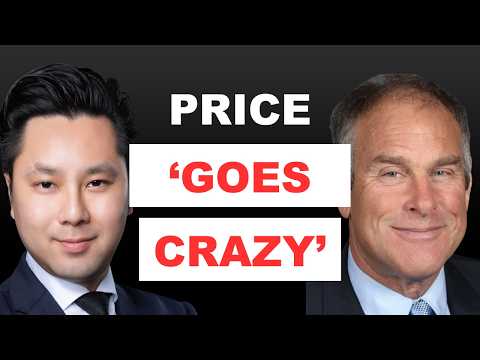
Rick Rule Perfectly Called Silver Crash, Here’s What ‘Goes Crazy’ Next

Channel: David Lin Published: 2026-03-01 17:25
David Lin

Rick Rule argues he sold silver because the original speculative thesis broke: silver had become parabolic, the reasons he bought it were gone, and he preferred redeploying into silver stocks, gold, and oil/gas equities. He is constructive on precious metals, uranium, copper, and oil over longer horizons, but says the immediate oil move is mostly an Iran/Hormuz news trade and the metals correction was normal noise within a larger bull market.

Watch on YouTube ›

Get the market thesis, key claims, assets, contradictions, and follow-up questions from any financial video — then unlock a version personalized to your portfolio, watchlist, and favorite speakers.

Detailed summary

This interview centers on Rick Rule’s prior silver sale, his current resource allocation, and his macro view on the resource complex. Rule says he bought silver around $20/oz as a hated speculative asset and because he expected a precious-metals bull market where leadership would eventually shift from gold to silver. Once silver became parabolic and the original reasons for ownership no longer applied, he sold part of the position and moved capital into silver stocks, physical gold, and some oil and gas equities. He emphasizes that he is not a trader trying to call tops or bottoms; he is following portfolio discipline and redeploying capital when the thesis changes. On precious metals, Rule distinguishes gold from silver. Gold is a savings/insurance asset for him, while silver is a speculative asset. …

🔒 The full detailed summary continues — read all of it free with an account. Read the full summary →

Main takeaways

  1. Rule sold silver because the original speculative thesis expired, not because he called a precise top.
  2. He treats gold as savings/insurance and silver as a higher-volatility trading/speculative vehicle.
  3. He sees the recent precious-metals drawdown as normal within a longer bull market.
  4. Oil is tactically driven by Iran/Hormuz risk, but the longer-term oil thesis remains constructive.
  5. He is positive on uranium, copper, and royalty/streaming businesses due to tightening supply and capital intensity.
  6. His core macro view is persistent fiat debasement and underinvestment in resources.

Market read by horizon

Short term

Tactically, oil is the cleanest near-term trade because Iran/Hormuz headlines can still force a spike, while gold/silver look more like volatile consolidation than a broken trend. If the geopolitical scare fades, the immediate move in oil may mean-revert quickly.

  • WTI could spike sharply if Iran-related conflict threatens the Strait of Hormuz, but Rule thinks any move would be a news-driven burst unless disruption persists.
Show more
  • If no Iran escalation materializes, he thinks the near-term oil price is already somewhat ahead of itself.
  • He views the recent gold/silver selloff as a correction to live through, not a signal to abandon the trade.
Mid term

Over the next few months, the base case is continued strength across selected resource sectors, led by uranium, royalty/streaming names, and the better-quality precious-metals exposure. Confirmation would come from sustained term-contract demand in uranium and continued capex discipline being punished in copper and energy supply chains.

  • Over the next several weeks to months, Rule expects oil to be better supported if geopolitical risk remains elevated, but he still sees it as more of a tactical trade than a pure supply-demand story.
Show more
  • He expects uranium to improve as utilities increasingly secure term contracts and the market absorbs the reality of tighter usable inventory.
  • He thinks silver stocks may outperform physical silver if bullion stays flat or even pulls back moderately, because valuations were still pricing in lower silver assumptions.
Long term

The structural call is that fiat purchasing power keeps eroding while resource underinvestment forces a multi-year repricing of hard assets. On that view, gold, industrial metals, and capital-light resource financers all benefit from the same regime shift.

  • Rule’s structural view is that Western fiat currencies will keep losing purchasing power because governments are overpromising on entitlements and spending.
Show more
  • He expects precious metals to benefit from currency debasement over the next decade, with industrial metals also rising from chronic underinvestment in productive capacity.
  • He thinks copper, uranium, and royalty/streaming models are positioned for a long cycle because large projects require massive capital and the industry has underbuilt supply for years.
Unlock the full horizon read See the full short-term, mid-term, and long-term implications with confirmation and invalidation signals. Unlock horizon read

Key claims (9)

BEARISH precious metals Silver

Rule sold silver because the reasons he originally bought it no longer applied once it became a parabolic move.

He says he bought silver as a speculative asset near $20, then sold when the thesis changed and the chart got parabolic.

BULLISH precious metals Gold

Gold is an insurance/savings asset for him, unlike silver which he treats as speculative capital.

He repeatedly contrasts his purpose for owning gold versus silver.

BULLISH precious metals Gold

The recent gold and silver crash is just noise inside a broader bull market, not a trend-ending event.

He compares the pullback to repeated large drawdowns during the 1970s gold bull market.

Unlock 6 more claims See the full bullish, bearish, and counter-consensus argument map extracted from the transcript. Unlock all claims

Assets discussed (10)

Silver — XAG
MIXED commodity

Rule sold physical silver after the original speculative thesis changed, but remains constructive on silver stocks and the broader metals cycle.

Gold — XAU
BULLISH commodity

He treats gold as a savings/insurance asset and says he has moved some capital into physical gold.

Unlock the full asset map (8 more) See all assets mentioned, their directional bias, and the exact reasoning. Unlock asset map

Interview (19 Q&A)

silver profit-taking thesis

How did you suspect that the metals had already run up beyond what was reasonable, prompting you to take profits?

Rick says he saw a parabolic 'hockey stick' chart in silver and knew the backside would be steep. But the real reason was his investment discipline: he bought silver as a speculative asset when it was roundly hated and when the reasons for owning it were no longer true (the hate dissipated and leadership changed from gold to silver), he sold. He did a 48-hour thought exercise concluding that silver stocks offered better risk/reward than physical silver at those levels, so he reallocated 50% of his silver position into silver equities.

gold vs silver view

Were you equally cautious on gold as you were on silver, given the big correction?

Rick says he had no care about gold because he treats gold as a savings/insurance asset, not a speculative one. He may sell gold as a source of liquidity (as he did in 2009-2010) but it wouldn't surprise him if he held his gold for another 10 years. Some of the silver sale proceeds were actually moved into gold as savings.

market timing

How did you know or at least suspect an imminent correction was coming?

Rick explains he didn't know — he saw a parabolic 'hockey stick' chart and understood the backside would be steep. His actual discipline was that the reasons he bought silver (the hate, the expectation of leadership change from gold to silver) were no longer valid, so he sold. He emphasizes he is not a trader and has no fear of missing out.

Unlock the full interview (16 more Q&A) Every question, answer summary, and YouTube timestamp. Unlock full Q&A

Where this transcript pushes against consensus

  • The claim that the oil market can instantly ‘go crazy’ on Iran risk is directionally plausible but highly path-dependent; the interview offers no quantified scenario analysis.
  • The prediction that most fiat currencies will fall 75% in purchasing power over 10 years is asserted forcefully but not rigorously substantiated in the transcript.
  • The view that Venezuelan output cannot recover meaningfully soon may understate what policy changes or outside capital could do over a longer horizon, though Rule argues the capital needs are enormous.
  • The sponsor segment makes strong promotional claims about a silver company’s resource base, valuation, and upcoming drilling without independent verification in the interview.
  • His bullishness on precious metals and resource equities is broad and conviction-heavy, but the transcript does not deeply test downside cases beyond general macro debasement arguments.

Topics

silvergoldoilIranStrait of HormuzVenezuelanatural gasuraniumcoppercurrency debasement

Create your free research agent

Unlock the full claims, asset map, scores, related transcripts, follow-up questions, and AI chat — shaped around your portfolio, watchlist, favorite speakers, and risks.

  • Full claims and asset map
  • Personalized relevance to your watchlist
  • Follow-up questions you can track
  • Related transcripts from your workspace
  • AI chat about this video
Create your free research agent
TRANSCRIPTAGENT.AI