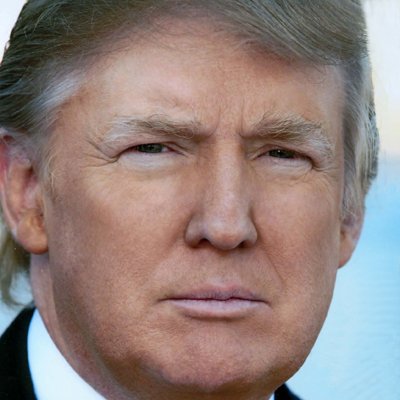
Trump used a live White House gaggle before departing for China to insist the Iran war is effectively won, Iran cannot get nuclear weapons, and a peace deal is imminent. He tied the conflict to oil, inflation, equities, NATO, and his upcoming talks with Xi Jinping, while the BFMTV anchor and guest added that the trip is politically delicate because Trump leaves without having resolved Iran.
Watch on YouTube ›Get the market thesis, key claims, assets, contradictions, and follow-up questions from any financial video — then unlock a version personalized to your portfolio, watchlist, and favorite speakers.
The transcript is centered on Donald Trump speaking to reporters as he leaves the White House for a trip to China to meet Xi Jinping. His core message is that Iran must not obtain nuclear weapons, that Iran’s military capabilities have been destroyed, and that the war will soon end either through a deal or through continued pressure. He repeatedly says the situation is under control, that he does not need outside help, and that he will personally decide when the war ends. He also says oil prices will fall after the war and that equities will rise further, describing current stock-market levels as records and linking that to his policies. Trump’s comments also broaden to macro and geopolitics. He says inflation will fall materially once the conflict ends, argues inflation was low before the war, and claims his policies are working. …
Tactically, this is mostly a crude/oil and risk-sentiment headline setup: any sign of de-escalation or a credible ceasefire process would pressure oil and help equities. If Trump’s claims remain rhetorical only, the market may quickly fade the move.
Over the next few weeks, the transcript implies a base case of diplomatic maneuvering around Iran and China, with energy and inflation headlines driving the market narrative. Confirmation would come from actual de-escalation or a concrete accord; failure to deliver keeps crude and volatility elevated.
The structural message is that U.S. presidential diplomacy is being treated as a direct macro input, with war, oil, inflation, and equities all linked in one political trade. That regime favors headline-driven pricing and makes geopolitics a persistent market variable rather than a background risk.
Trump says Xi should not intervene in Iran and expects very good consequences from the China trip.
He links the visit to Iran and says the outcomes will be good.
Trump insists the Iran war is effectively won militarily and says the U.S. does not need help.
He says Iran's ships, planes, and military components have disappeared and that the U.S. will win with peace or otherwise.
Trump repeatedly says Iran cannot and will not obtain nuclear weapons.
This is the transcript's central policy red line.
Pensez-vous que le président chinois doit intervenir dans la guerre en Iran?
Non, les États-Unis n'ont pas besoin d'aide avec l'Iran. Nous allons gagner d'une manière ou d'une autre, avec la paix ou autrement. Leurs bateaux, avions et machines de guerre ont disparu.
Votre visite en Chine va-t-elle avoir un impact sur l'économie internationale et le prix du pétrole?
Je me suis entretenu avec le président en Chine, nous avons eu de bonnes réductions, nous avons hâte de nous retrouver. Vous allez avoir tellement de pétrole que vous n'en reviendrez pas.
Quelle sera votre ligne rouge concernant le cessez-le-feu en Iran?
Nous allons voir, nous allons y réfléchir en vol, nous allons y réfléchir pendant un petit moment. Nous les avons battus largement d'un point de vue militaire. Le blocus est très efficace, hermétique à 100%.
Unlock the full claims, asset map, scores, related transcripts, follow-up questions, and AI chat — shaped around your portfolio, watchlist, favorite speakers, and risks.