
The speaker argues that the Strait of Hormuz / oil shock is more likely to cause demand destruction than a true inflation surge, and that crypto—especially Bitcoin—will remain pressured because liquidity is tightening. They frame this as consistent with 1970s-style oil spikes not repeating unless money supply and wage growth also accelerate.
Watch on YouTube ›Get the market thesis, key claims, assets, contradictions, and follow-up questions from any financial video — then unlock a version personalized to your portfolio, watchlist, and favorite speakers.
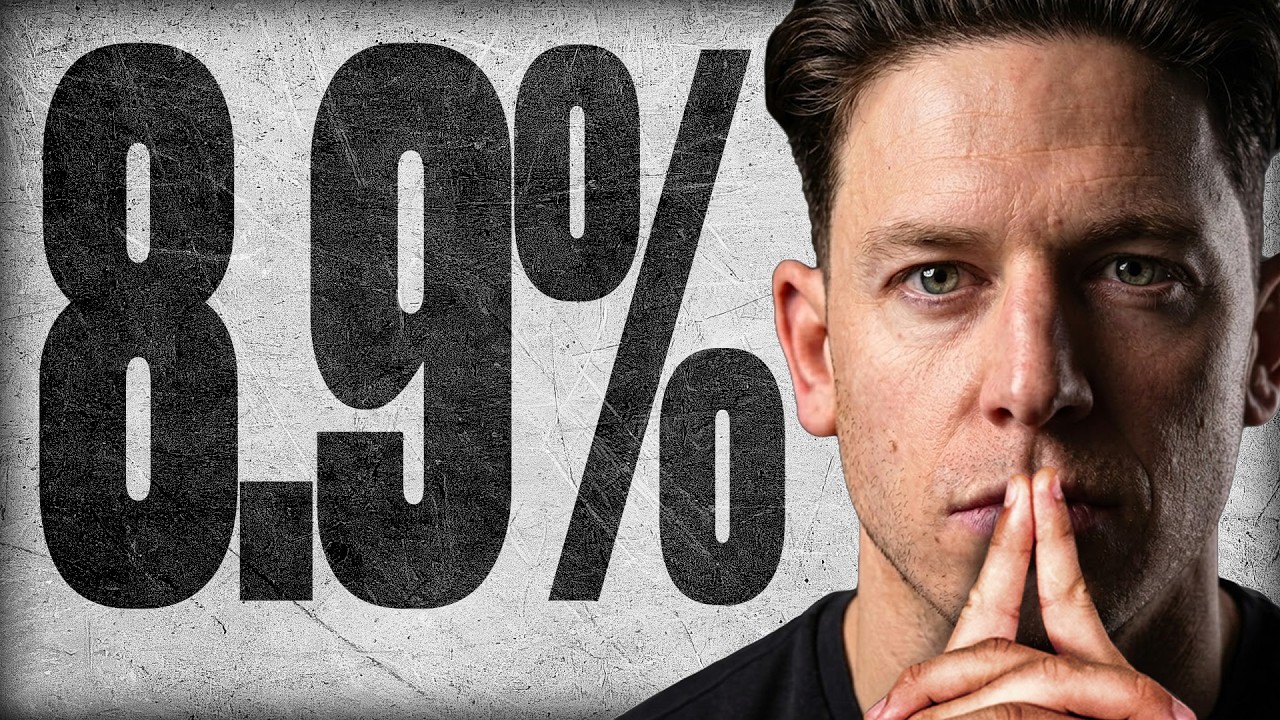
The video opens with a claim that oil explains only 8.9% of inflation over 65 years of data, and uses the current Strait of Hormuz disruption as the catalyst for a broader argument. The speaker says the Strait has effectively been shut, tankers have been hit, insurance is being refused, Qatar’s LNG complex is offline, and related energy costs such as fertilizer, jet fuel, and UK gas are already rising. They then contrast this with the 1970s, arguing that the decade’s sustained inflation was driven less by oil itself than by rapid M2 growth, aggressive bank lending, and wages keeping pace with prices. The core thesis is that today’s backdrop is different: M2 growth has been modest, savings are low, consumers are stretched, and therefore an oil spike is more likely to trigger demand destruction than a durable inflation wave. …
Tactically bearish on Bitcoin and broader risk assets while the oil shock and tight liquidity narrative remain live; rallies look vulnerable to being faded. The immediate watchpoints are labor data, energy follow-through, and any policy response that loosens conditions.
Over the next few months, the base case is that tighter liquidity and weaker demand dominate headline oil inflation risk, keeping crypto under pressure unless credit conditions improve. A sustained turn in liquidity would be the main invalidation signal.
Structurally, the speaker sees Bitcoin as intact as a long-run debasement hedge, but only after cyclical liquidity pressure passes. The durable regime thesis is that global liquidity—not oil—sets the multi-year direction for crypto and other risk assets.
Oil explains only about 8.9% of inflation over 65 years of data.
The speaker says this figure comes from historical data and uses it to argue oil is not the main inflation driver.
The current Strait of Hormuz disruption is severe, with tankers hit, ships stranded, and insurance refusing coverage.
The speaker lists multiple operational disruptions to support the idea that the shock is broad and immediate.
The 1970s inflation episode was driven more by money supply growth and lending than by oil alone.
The speaker contrasts oil with M2 growth and bank credit creation to explain why inflation persisted in the 1970s.
Unlock the full claims, asset map, scores, related transcripts, follow-up questions, and AI chat — shaped around your portfolio, watchlist, favorite speakers, and risks.
