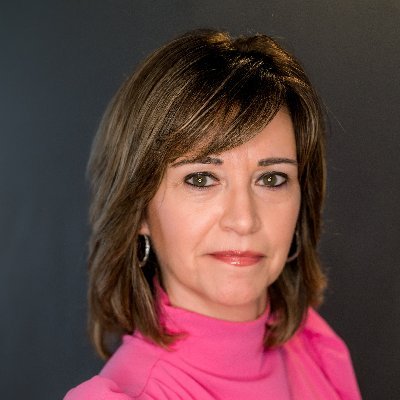
Tavi Costa argues precious metals, especially silver and gold, are in an elevated-price regime driven by strong demand, weak supply response, and a likely weakening U.S. dollar. He says mining equities are still massively under-owned relative to history and that many miners now generate tech-like margins, making the space attractive despite volatility.
Watch on YouTube ›Get the market thesis, key claims, assets, contradictions, and follow-up questions from any financial video — then unlock a version personalized to your portfolio, watchlist, and favorite speakers.
This Wealthion interview features Maggie Lake speaking with Tavi Costa, co-founder and CEO of Azoria Capital, about precious metals, the dollar, and mining stocks. Costa says the recent pullback in gold and silver looks more like digestion after a very fast move than a cycle peak. His core view is that the supply/demand setup for metals remains constructive: demand is supported by onshoring, AI-related infrastructure, industrial rebuilding, and broader strategic interest in critical metals, while supply is not responding because production is falling, discoveries are scarce, and exploration budgets remain low. Costa is especially bullish on silver and silver miners. He says volatility should not be read as the end of the move, and that the market may be adjusting to a new regime where elevated metal prices persist for longer than investors expect. …
Tactically, the setup is still constructive for metals, but silver looks crowded enough that more choppy consolidation or fast pullbacks are plausible before the next leg. The key immediate trigger is whether the dollar breaks lower again; if it does, miners and metals should reassert relative strength.
Over the next few months, his base case is that elevated metal prices persist because supply is not responding fast enough and institutional money is still under-positioned. Confirmation would come from continued DXY weakness, stable or rising metal prices, and a pickup in M&A or exploration activity.
His long-run view is that a weaker-dollar, higher-fiscal-deficit regime will favor hard assets and resource producers for years. If that regime persists, the durable winners are likely to be well-run miners with real deposits, jurisdictional safety, and a path to cash flow.
Mining companies can have margins comparable to major technology firms because current metal prices are far above their cost structures.
He explicitly compares miners’ margins to Google, Meta, Amazon, and Nvidia, then gives a silver mine cost example.
The recent gold and silver pullback is a digestion phase, not a cycle peak.
He says prices rose too fast in the near term and normal repositioning is occurring, but he does not see the end of the move.
The supply side for metals is not responding: production is falling, discoveries are scarce, and exploration budgets are low.
He repeatedly contrasts strong demand with weak supply and cites low exploration budgets and lack of new discoveries.
Did precious metals already peak, or is this just a pause in the rally?
He does not think prices have peaked. He says the recent move is more likely digestion after prices rose too quickly, with a shift from weaker to stronger hands, especially in silver.
Are these sharp swings in precious metals just a short-term effect of new interest, or the start of a new regime?
He worries the volatility may be signaling something bigger for the U.S. economy, because this kind of up-and-down move can resemble markets in a more inflationary environment. He says hyperinflation is not his base case, but he does not dismiss it as impossible.
How does the dollar fit into your outlook for precious metals?
He says the dollar trade is especially tricky because macro moves can reprice very quickly. He recalls being bearish on the U.S. dollar and says he expected Trump’s election to eventually weaken it, especially against other fiat currencies.
Unlock the full claims, asset map, scores, related transcripts, follow-up questions, and AI chat — shaped around your portfolio, watchlist, favorite speakers, and risks.