Keith Boyle
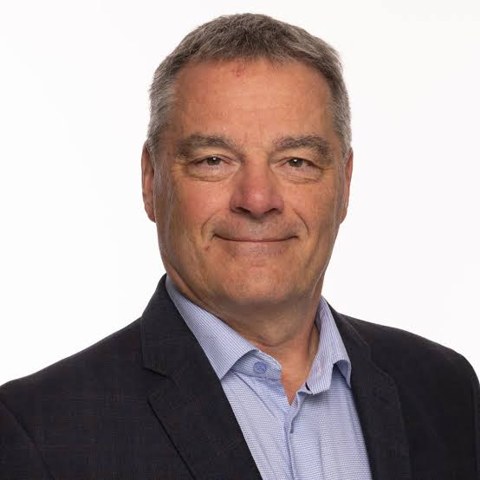
advancing gold projects and ramping mines to commercial production
Preview how this speaker shows up across market transcripts. Unlock the full archive, AI chat, and the version personalized to your watchlist, followed channels, and favorite speakers.
Speaker snapshot
Research profile
Keith Boyle is a long-tenured mining executive and engineer, with 40+ years in the business and deep experience in Canadian narrow-vein gold camps, especially the Abitibi/Timmins regions. In the supplied interviews he presents himself as an operator focused on moving projects from discovery into development and cash flow, not as an exploration-only CEO. He emphasizes execution, team-building, grade control, permitting, mill retooling, and disciplined capital allocation.
Economic vision
Boyle’s recurring worldview is broadly pro-gold and monetarist: he frames gold as money, a hedge against fiat-currency debasement, and sees current pullbacks as normal consolidations before higher prices. On project strategy, he consistently favors staged development, starting with high-grade feed and lower-capex or existing infrastructure rather than oversized upfront builds. He repeatedly argues that Queensway should be advanced methodically into production, using near-term cash flow and operating experience to fund growth, while keeping exploration upside alive. Overall, his economic vision is pragmatic and cycle-aware: preserve shareholder value, de-risk execution, and turn geological quality into durable free cash flow.
Reliability notes
- Admin-validated speaker with linked X / Twitter profile.
- Preview built from 18 analyzed appearances.
- Latest tracked appearance: 2026-07-13 08:53.
- Most often seen on Crux Investor.
Mining company record (213)
213 transcript-backed statements from 15 appearances, covering key assumption, milestone, track record and other company claims. These reflect management's own framing and have not been independently verified.
- Is the resource figure supported by a current NI 43-101 / JORC technical report — and is it measured, indicated or inferred?
- Is the stated grade a reserve grade, a resource grade, or a single drill intercept?
- Which study do these economics come from — PEA, pre-feasibility or feasibility?
- What metal price and discount rate underpin the NPV and IRR?
it'll be a couple million ounces, two and a half, somewhere in that neighborhood
we just announced an expanded drill program up to 90,000 m this year, where 45% of it is focused on new discoveries and resource growth
Remember now we've got a property that's 110 km long. You know that's the size of the Abitibi.
we are now exploring with a 90,000 m drill campaign.
Our historical cost is about 100 just under $100 an oz discovery.
the 110 kilometers or 65 miles uh of uh of length. And so the exploration we're seeing is that we're just walking along that uh that large fault
what I saw was a high-grade vein system with a halo around the veins, lower-grade halo. And uh and you've got these vein clusters along this main fault zone.
because um of it being a narrow vein uh a narrow vein deposit, um grade control is [snorts] what's critical
there's a large fault so a big crack in the earth that uh that is where the fluids came up and on either side of that crack is where the gold deposits
resource estimate came out at something like 17 uh pits uh and got us to like around a million ounces
production profile somewhere between 20 and 25,000 oz a year at all-in sustaining of 2,500 bucks
we're targeting in the first [snorts] couple of years you know, 100 100,000 oz from Queensway alone
it'll be a couple million ounces, two and a half, somewhere in that neighborhood, about two to and a half grams
Queensway in the first couple of years will be processing 10 to over 12 g a ton material
it'll be a run rate of about 20 to 25,000 oz a year at an all-in sustaining of 2,500 bucks
production profile somewhere between 20 and 25,000 oz a year at all-in sustaining of 2,500 bucks or thereabouts
go over and bring that experience and knowledge to Queensway to do what? Build a 700-ton-a-day mine
a 700-ton-a-day mine
a run rate of 20 to 25,000 oz a year at $2,500 all-in sustaining
100,000 oz from Queensway alone. And plus you add that to the Hammerdown...at an all-in sustaining of $1,300
So we came up with a capex of $155 million to do that.
firstly uh that uh we were we've decided to expand the Pine Cove mill, so double the size of it to accept Queensway
in our PEA of last year, um, we, you know, showed phase one at Queensway, where, uh, we have, uh, CapEx of 155 million to get to production.
we're looking at targeting 100,000 oz a year plus and then looking at later, you know, at towards 2031 when Queensway will be expanded, looking at targeting that 200,000 oz a year target
a run rate of 20 to 25,000 oz a year at $2,500 all-in sustaining
all-in sustaining of $1,300 based on the based on the PA that we put out last year
all-in sustaining of $1,300 based on the based on the PA that we put out last year
At an all-in sustaining of $1,300 an ounce, we're talking at today's price is over $300 million uh a year cash flow.
Queensway at the CAPEX of 155 million
we went and raised $220 uh to be able to put it into production
like um uh people saw in April, we raised 220 million dollars uh in order to execute on Queensway phase one, get to production end of '27.
Our PEA, if you recall, the capex on that was 155 million dollars
we're looking at less than $200 million uh to invest uh to generate that kind of return.
that package that we've now put together uh funds our capital cost of uh 155, which we announced last year in our PEA, all Canadian dollars, 155 million Canadian
Fully funded, so we we were talking with Sean Roosen earlier
we're now fully funded and uh and we're advancing the early works of the mill expansion
replaced that with a total of a $105 million dollar facility in two tranches, 70 million first, 35 million second...115 million dollars that we raised
we raised uh um uh $220 million uh both debt and equity and in the equity portion of 115 he came in with his prata share of near 20%.
we announced uh about a month ago um a term sheet for a US $75 million uh debt uh facility. Um subsequent to that uh we had an inbound uh an inbound offer to not only match or better the terms of that uh facility, but also provide us with equity.
And that'll be a run rate of about 20 to 25,000 oz a year at an all-in sustaining of 2,500 bucks. So that's important for a single asset company. Effectively, because now the cash is coming this way. So about $40 million dollars cash flow
So we've now got really good anchor investors...70 million dollars...115...we're up to 185 million dollars
they came in with a sizable equity portion of the 115 million dollars that we raised and closed on just recently alongside Eric Sprott
that timeline is finished by fourth quarter of next year. ... that first ore to the mill will is anticipated for the fourth quarter of 27. ... In 28, once Queensway's in production, now that jumps to 100 to 125. Then phase two and three, the bigger mill at site and the underground, in 2031, that then jumps to 175 to 200,000 oz a year.
the first Queensway material reaching clean cap by Q4 2027
retooling of Pine Cove and then subsequent expansion of Pine Cove to be able to then accept Queensway late next year
we're looking at declaring commercial production in the second half of this year, early in the second half of this year
And that will take us into probably the fourth quarter, I would say, uh, where we will then be able to start, uh, some early works, where in test pitting
Hammerdown is uh ramping up. We'll be in commercial production uh next half of this year.
breaking ground uh at Pine Cove, which we're expecting uh by the end of the second quarter of this year
ramping up our Hammerdown Gold mine uh to commercial production targeted for the second half of this year
by that time, we'll be ready to then start uh breaking ground at the Queensway project itself
We're going to be in commercial production in a couple of months, few months. And that'll be a run rate of about 20 to 25,000 oz a year at an all-in sustaining of 2,500 bucks.
first ore production for our first uh uh big uh being sent to the mill uh from Queensway later next year, fourth quarter of next year.
we are now targeting towards the end of uh next year
We broke ground in May. We're pouring concrete. So, we're on that track now to finish the expansion of the mill and then at Queensway itself, the site development is quite small. It's quite simple. It's about a 6-month development program. So, we'll be in construction next year.
we will uh you know, we do expect uh a decision uh by early July
New Found Gold has assets on the island of Newfoundland in the province Newfoundland Labrador.
advancing our Queensway Gold project uh in uh Newfoundland Labrador on the island of Newfoundland uh just outside of Gander
Newfoundland has a history of uh being very efficient in providing the permits.
New Found has properties in on the island of Newfoundland in the province of Newfoundland Labrador.
We have uh properties in Newfoundland, assets in Newfoundland.
We have uh assets in Newfoundland uh on the island of Newfoundland
greenfield site near a community near the community of Appleton and then Gander
New Found Gold has assets on the island of Newfoundland in the province Newfoundland Labrador.
advancing our Queensway Gold project uh in uh Newfoundland Labrador on the island of Newfoundland uh just outside of Gander
New Found has properties in on the island of Newfoundland in the province of Newfoundland Labrador.
We have assets in uh Newfoundland, Labrador on the island of Newfoundland
we received the permit amendments for Pine Cove in order to go about that construction
our um early works permit will come in towards the uh end of the third quarter
a fully permitted mill and tailings over at Pine Cove.
I've been in the business over 40 years, over that time, there's been a consistent theme by some people that, you know, I respect and gold is money. And it follows the devaluation of the US dollar or currencies, fiat currencies. And so, I think this is right now just one of those consolidation periods before the next leg up. And you know, that just just follows on with the printing of money. So, I think gold is going higher.
you spoke about that in the past Hammerdown being a kind of a rehearsal
our mine manager, um, Mark Ross, who was at Queensway prior cuz he is an Newfoundlander, he's from Springdale.
I'm a 40-year mining engineer and uh you know, cut my teeth in the bowels of of gold mines across Canada. Uh particularly across the Abbot Tibby
first Robasobi our COO has lots of horsepower, has done, you know, brought, uh, operations into production and has operated mines before
I'm a 40-year mining engineer, have eight development projects under my belt
when I've done a number of these at at at single asset type companies small companies
My first mine brought into production was during 2008 crash
Well, the uh Rob Rob is managing Rob our COO is managing the integration.
we we hired uh you know, 50 new people by the end of the second quarter... we've got a total workforce of 264 people.
we announced uh when was it? We announced a few months ago now that we had hired WSP as our EPCAM contractor.
when I got involved was 18 months ago um before a mineral resource came out
converting the mill over to gravity CIL from the current process, and then expanding it
in the PEA we have 700 tons a day.
mill is uh currently uh processing 700 tons a day. It'll be expanded. It'll be doubled to 1,400 tons a day to accept the Queensway
we did last year and uh to derisk that initial two to three years of production was drill out on a 5x5 meter center pattern. So very tight drilling
the first couple of years we're looking at about 100,000 oz a year at an all-in sustaining of about $1,300.
Well, the cost of trucking plus processing is about a gram.
I mandated a 5x5 meter center drill pattern, grade control drill pattern, where we're going to start mining.
what we're trucking is 700 tons a day at between 9 and 10 gram a ton on average.
better I think better reflect what uh dilution does to a vein deposit
we're converting that to a full gravity leach circuit which is the nugget pond
Hammerdown uh you know it had a feasibility study that was uh put out in 2022 and uh so it's a bit outdated. There's been more drilling that's happened uh since then.
Hydro is moving that over the next 18 months for us to start mining
we have that risk, especially in the world we're living today. So, we felt it important to put in, you know, enough of an overrun facility
Um the recovery's in the high 80s.
by one acquiring the assets at Hammerdown but Pine Cove, the mill. That allowed us to bring Queensway forward by 3 years
the first couple years we're looking at, you know, over $300 million of cash flow at today's prices.
the higher grades up in the first couple of years uh probably get us closer to 100,000 ounces a year
with hammerdown coming into production uh in really uh later this year uh after the ramp up steady state um you know we feel at these gold prices uh it really is going to help us
it'll be a run rate of about 20 to 25,000 oz a year at an all-in sustaining of 2,500 bucks
the Queensway pea that we put out in July and that pea uh identified phase one at 69,000 ounces a year. So, just so easy maths to call it 70. Um and if you look at the all- in sustaining, you know, somewhere around $1,300. Well, when you start looking at what that margin is at today's gold price, you know, that'll generate over $200 million a year at today's uh gold price.
we announced about 40% of the 70,000 meter drill campaign that had gone on. So we've got lots of results that we'll be releasing
Or or uh you know, depending on how Melissa turns out, we might be talking about a new deposit.
Well, probably a really good financing package that really derisks uh phase one. I think that that's the next major milestone for us.
our timeline at Queensway is to uh expand the mill at Pine Cove through the rest of this year and into next year
Every claim above was said by Keith Boyle in the interview it is dated to, and carries their own words. Nothing is added from filings, and nothing has been checked against them. Transcripts are automated — clearly mis-heard words are corrected for readability, never figures, dates or the speaker's own hedges. Not financial advice: an executive discussing their own company has an interest in it.
Themes and assets
Most discussed assets
Transcript previews
Every analyzed appearance we have for this speaker, newest first. Open any transcript preview to read the underlying transcript.








Related speakers
 Adrian Day
Mining & resource stocks
Adrian Day
Mining & resource stocks
 Michael Gentile
Mining & resource stocks
Michael Gentile
Mining & resource stocks
 Justin Huhn
Mining & resource stocks
Justin Huhn
Mining & resource stocks
 Shawn Khunkhun
Mining & resource stocks
Shawn Khunkhun
Mining & resource stocks
 Shane Williams
Mining & resource stocks
Shane Williams
Mining & resource stocks
 Keith Neumeyer
Mining & resource stocks
Keith Neumeyer
Mining & resource stocks
 Ross Beaty
Mining & resource stocks
Ross Beaty
Mining & resource stocks
 John Feneck
Mining & resource stocks
John Feneck
Mining & resource stocks
Create your free research agent
Unlock every transcript this speaker appears in, compare them with your other followed voices, and ask the agent for the bull, bear, and consensus read in one workspace.
- Full transcript archive for this speaker
- Personalized relevance to your watchlist
- Cross-speaker comparisons inside your workspace
- AI chat about this speaker’s thesis
- Track how their view changes over time