Kientz’s recurring worldview is that the existing dollar order is structurally weakening and that the world is moving toward some kind of monetary reset.
📈 See how Robert Kientz's thesis changed over time →Preview how this speaker shows up across market transcripts. Unlock the full archive, AI chat, and the version personalized to your watchlist, followed channels, and favorite speakers.
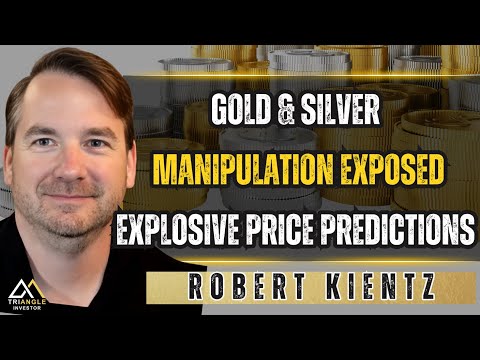
Robert Kientz is a precious-metals and sound-money commentator who focuses on gold, silver, COMEX structure, monetary reform, and the shift toward digital finance. Across the supplied interviews, he comes across as technically literate, research-driven, and active in advocacy work, including sound-money/ legal-tender efforts and industry-facing trade association work. He presents himself as someone who tries to weigh both market mechanics and political implications, while remaining strongly skeptical of the current dollar-based monetary system.
Kientz’s recurring worldview is that the existing dollar order is structurally weakening and that the world is moving toward some kind of monetary reset. He repeatedly argues that gold and silver are underpriced relative to physical demand, that COMEX and OTC pricing are paper-driven rather than reflective of true supply and demand, and that central banks and sovereign actors are accumulating hard assets as the dollar era winds down. He sees gold as regaining monetary importance, potentially as a reserve or settlement asset, while also warning that the transition may be paired with stablecoins, tokenization, or other digital payment rails that could increase state and financial-system control. His outlook is broadly pro-gold, anti-debt, suspicious of fiat expansion, and focused on preserving financial liberty through sound-money reforms and physical ownership.
Every analyzed appearance we have for this speaker, newest first. Open any transcript preview to read the underlying transcript.
Preview:Rob Kientz and co-host Daniel analyze the post-January 30 gold/silver selloff, tying it to the Kevin Warsh Fed nomination and a "debasement trade is over" narrative. They discuss the July 4 gold-backed bond rumor, $20,000 gold COMEX bets, seasonal patterns, inflation data, and physical vs. paper market divergence. Kientz remains structurally bullish on precious metals but skeptical of near-term catalysts, questioning whether the government is ready for any monetary reset while maintaining the long-term case is intact.
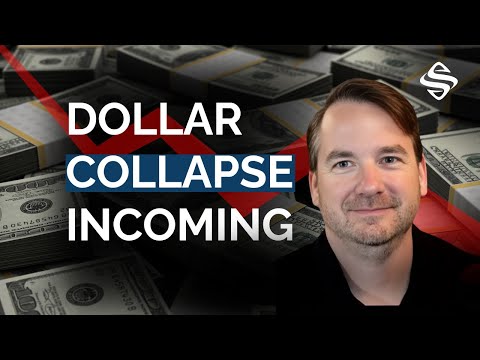
Preview:Rob Kientz argues the July 4th gold-announcement chatter is probably overstated, but he sees it as part of a real longer-running shift toward gold, sound money, and eventually some form of digitized monetary system backed or stabilized by gold. He says the dollar system is under strain from debt, deficits, de-dollarization, and weak labor data, yet he thinks the timing is uncertain and the government likely has to wait until the infrastructure and legal framework are ready before making any dramatic move.
Preview:Robert Kientz lays out a long-term bullish thesis for gold and silver, arguing that fiat currency debasement makes a US government gold revaluation inevitable — likely via congressional action, not a surprise announcement. He sees the COMEX losing its pricing monopoly as Asian exchanges rise, physical delivery demand remaining robust, and technical indicators flashing a near-term bottom. He hedges heavily on timing: the gold revaluation probably won't happen on July 4th, but 2026 is plausible if inflation forces the government's hand. The core message is "just buy gold and silver" because you'll be happy whenever the revaluation arrives.
Preview:Robert Kientz argues that gold and silver are in a washout that looks like a seasonal and sentiment-driven low, not a broken thesis. He says rising inflation, potential Fed hikes, and a shift away from the “debasement trade” narrative are setting up a stronger second half for precious metals, with China and central banks reinforcing the long-term case for gold.
Preview:Andy Schectman interviews Robert Kientz about gold, silver, central-bank buying, and the move toward a digital financial system. Kientz argues that the old fiat system is breaking, physical precious-metal demand is rising, and stablecoins/CBDC-like rails may become the new plumbing for money and control.
Preview:Robert Kientz argues that COMEX is structurally designed to avoid a default, but that the bigger risk is a policy-driven gold revaluation or broader monetary reset rather than a dramatic exchange failure. He is bullish on gold and silver near term because he sees them as oversold, seasonally weak right now, but supported by robust physical deliveries, rising inflation risks, and a shift in central-bank and government rhetoric toward backing the dollar system with gold, Bitcoin, and stablecoins.
Preview:The speaker argues that gold, silver, and other commodities are entering a multi-year bull market driven by central-bank de-dollarization, persistent physical tightness, rising oil prices, and the commodity needs of the AI buildout. He is bearish on the long-run sustainability of the fiat/dollar system and thinks the U.S. will keep pushing AI and digital infrastructure despite severe power, water, and cost constraints.
Preview:Rob Kientz argues that gold, commodities, and infrastructure are entering a regime where physical constraints, de-dollarization, and rising state/tech investment matter more than near-term price action. He thinks gold’s global reserve share surpassing treasuries is a major signal, but expects summer to be relatively quiet before inflation, oil shocks, and a later rotation into commodities and hard assets become more visible. On AI, he does not expect an immediate collapse because the US government is actively supporting the sector, but he thinks infrastructure, energy, water, and helium shortages will slow the rollout and deepen the wealth gap.
Preview:Robert Kientz argues the recent silver pop is a delayed reaction to earlier volatility, with price now being driven more by COMEX futures positioning than by immediate physical scarcity. He says physical silver is still available, but the system is becoming more fragile as inventories thin, industrial demand stays strong, and second-half-2026 inflation, debt stress, and Fed policy changes could force a much bigger move in gold and silver.
Preview:Rob Kientz argues that gold and silver are setting up for another major leg higher, but the move is being delayed by paper-market mechanics, reduced participation, and a market that is frozen by inflation, geopolitics, and Fed uncertainty. His bigger thesis is that the U.S. dollar system is nearing a structural breaking point, and the shift toward digital finance, stablecoins, and tokenization is evidence that officials know a reset is coming.
Preview:Rob Kientz argues the macro setup has shifted into a debt, inflation, and currency-breakdown phase where gold and silver should ultimately rise despite near-term chop. He says the immediate action is not to guess policy or price direction, but to prepare physically: own precious metals, expect volatility, and assume the dollar system is moving toward digitization and eventual stress.
Preview:Robert Kientz argues that the real danger in gold/silver is not a COMEX failure, but a coordinated move toward digitized, blockchain-based finance that could centralize control over assets, payments, and even behavior. He frames CBDCs, stablecoins, COMEX/CME digitization, WHO/UN Agenda 2030, and Dodd-Frank-style legal structures as pieces of one broader control architecture.
Preview:Robert Kientz argues that the apparent 2030 CBDC delay is not a safeguard but a runway for a broader digital-control architecture: retail CBDCs may be delayed while wholesale CBDCs, stablecoins, blockchain-based asset tracking, WHO/UN agenda integration, and AI/data-center infrastructure continue advancing. He frames this as a threat to constitutional federalism, property rights, and personal autonomy, and urges viewers to organize locally and at the state level rather than expect federal protection.
Preview:Robert Kientz argues the recent gold and silver selloff was mostly a COMEX margin/liquidation event, not an exchange default or a failed bullion-bank squeeze. He then broadens the case to say the Iran–Israel conflict is raising oil-linked inflation and risk premia, which is pressuring housing, energy, fertilizer, helium, and eventually the broader debt/currency system.
Preview:The speaker argues that gold and silver are still in the middle of a long secular bull market, not near a final top. He expects further upside—potentially gold doubling and silver tripling or more—driven by economic uncertainty, geopolitical stress, debt overhang, and a likely rotation into hard assets.
Preview:Rob Kientz argues that the world is moving into a higher-risk, higher-inflation phase driven by war, energy disruption, and supply-chain fragility, and that households should cut spending and build cash buffers now. He ties the move in oil, food, metals, and industrial inputs to the Strait of Hormuz conflict, then extends that into a broader warning about recession, dollar weakness, and physical shortages that could make gold and silver harder to source even if their paper prices fall.
Preview:The video argues that gold and silver are setting up for a sharp next leg higher, and that this would likely coincide with downside in Bitcoin and a broader rotation out of speculative assets. Peter Schiff says the macro backdrop—weak economy, bigger budget deficits, easier Fed policy, and a weaker dollar—remains strongly bullish for precious metals even if the market is currently distracted by short-term moves and geopolitical headlines.
Preview:Robert Kientz argues that the U.S. is moving toward a de facto digital currency system built through stablecoins, tokenized banking rails, and bank adoption of crypto infrastructure. He says war, debt pressure, and commodity conflict could be the catalyst that helps justify or accelerate the shift away from fiat, while gold and silver advocates are racing to build legal and physical infrastructure before that happens.
Preview:Rob Kientz argues the market is in a geopolitical risk shock that is triggering a broad selloff across stocks, bonds, and metals, but he views the larger setup as bullish for commodities once the current volatility clears. He emphasizes silver’s sharp pullback as a cooling-off phase after an overheated move, expects continued upside in gold/silver over the medium term, and says higher inflation, Fed easing, and supply shocks should support the sector.
Preview:Robert Kientz argues that the recent huge selloff in silver and gold was not explained by fundamentals, but by derivative-market positioning, short covering, and possibly algorithmic/circuit-breaker issues. He remains structurally bullish on both metals, especially silver, while warning that volatility, paper-market dominance, and trader shakeouts will likely intensify.
Preview:Rob Kientz argues that gold and especially silver are in a structurally bullish, but very quiet, bull market driven by dollar weakness, rising bond yields, inflation, AI-driven labor displacement, and global demand for physical metal. He says the current setup looks unlike 2008 because supply may be far tighter and the public is still largely unaware, making the next retail rush potentially violent.
Preview:Rob Kientz argues that the COMEX and London precious metals markets are undergoing a "soft default" — not a sudden shutdown, but a gradual loss of credibility where pricing mechanisms break down and deliveries become restricted. He predicts the emergence of regional commodity trading hubs (Shanghai, Dubai, India, Peru, Mexico, US) with different prices, driven by geopolitical realignment and the decline of the US dollar system. Silver, he contends, will become a critical industrial battleground with massive government intervention, mine output contracts, and legislative action, while gold retains its monetary role. Mining equities — particularly silver miners — are positioned for unprecedented investment inflows over the next 5-10 years as sovereigns scramble to secure supply.
Preview:Rob Kientz presents a thesis that silver has entered a structural breakout phase, having blown through the long-standing $50 resistance level, and argues it is now the epicenter of a global commodity war. He contends that gold decoupled from traditional macro metrics in mid-2024 to trade as "money" again, and silver is roughly one year behind on a steeper trajectory. The core narrative: Western price discovery (COMEX/London) is losing credibility versus Shanghai, China is tightening export controls on silver as a strategic mineral, and the US is responding with billions in supply-chain investment — framing silver as at least as important as oil to the modern economy.
Preview:Robert Kientz argues silver is entering a historic bull run driven by an unprecedented physical supply squeeze. He presents COMEX data showing massive January deliveries (42+ million oz in a normally quiet month), 3.7M oz moving from registered to eligible (locked away), surging open interest extending 6-9 months out, and a rare alignment where both swap dealers and managed money are net short yet prices keep rising. Foreign banks are identified as the key shorts, allegedly suppressing price to acquire physical silver for their customers. Kientz, who runs a gold and silver business, also reports his refiners and manufacturers are "max city" and that freely available 999 silver is tightening rapidly.
Preview:Rob Kientz argues that silver is entering a structural revaluation phase driven by shortages, geopolitical resource competition, and a shift away from Western price discovery. He sees silver as more constrained than gold, expects more regional pricing, and says dollar-based price targets matter less than physical availability and the ability to source metal.
Preview:Rob Kientz lays out a structurally bullish thesis for gold, silver, and mining equities, rooted in sovereign debt dynamics, central bank easing cycles, and physical supply constraints. He argues gold has decoupled from CPI and is now pricing fiscal risk directly. Silver at $71 has more than tripled from lows. Mining stocks remain the lagging leg he expects to "slingshot" as retail rotates in. He also cautions against social media rumors of imminent COMEX default, noting US banks are net long silver for the first time but that systemic collapse is not around the corner.
Preview:Gold analyst Rob Kientz argues we're in the hottest gold/silver market since 1974, driven by sovereign debt crises, falling rates, and central bank buying. He predicts gold at $5,200 and silver at $100 in 2026, expects the Fed to cut to 1%, and sees gold/silver mining equities as the next explosive leg — arguing the generalist rotation into miners hasn't even begun. He downplays COMEX default rumors and warns against AI-generated silver hype content.
Preview:Rob Kientz argues that while silver's physical market is tightening toward a potential COMEX default, no imminent forced default is likely because cash settlement provides an escape valve and systemic incentives strongly favor defending the exchange. He warns against buying silver on near-term default hype, noting similar squeezes have burned impatient speculators. The real risk is a "soft default" — a crisis-of-confidence event triggered by the next major economic shock, war, or banking failure that sends retail flooding into physical metal, exposing the rehypothecation throughout paper gold/silver markets.
Preview:Robert Kientz presents a sweeping macro thesis: the global fiat debt system is in its terminal phase, and a deliberate transition to a digital currency regime backed by gold is underway. He argues that central bank gold buying is balance-sheet recapitalization ahead of a systemic reset, that AI-driven job losses are accelerating the debt collapse, and that gold will rise in both inflationary and deflationary environments. Short-term confusion masks a long-term structural shift that most investors misunderstand because they view it "through the lens of the past."
Preview:Robert Kientz lays out a structural thesis on silver and gold: derivative markets dominated by a handful of big banks suppress precious metals prices short-term, but physical shortages and de-dollarization drive a long-term bull case. He argues silver's recent breakout above $50 is a regime change — we're not going back to $25 — and that sovereigns are managing gold/silver prices ahead of a CBDC rollout expected around 2028. The pullbacks are, in his view, repositioning-driven buying opportunities.
Preview:Robert Kientz argues that gold’s recent pullback is mainly a derivative-market reset, not a structural top, and that the deeper trend is still bullish because central banks, sovereigns, and large banks are repositioning around dollar debasement, gold’s Basel 3 status, and the rollout of CBDCs/digital IDs. He is even more constructive on silver over time, but says the market is being managed to keep prices from running too far too fast.
Preview:Rob Kientz of The Freedom Report joins host Danny on CapitalCosm to argue that the recent sharp sell-off in gold and silver is blatant COMEX manipulation by the "big four" banks (JP Morgan, HSBC, Citigroup, Bank of America) exploiting a CFTC shutdown. He frames this as a temporary smash-down to cover shorts and protect the US dollar, and sees it as a buying opportunity. The conversation broadens into a macro-conspiracy thesis: governments worldwide are suppressing precious metals while quietly rolling out digital IDs and CBDCs to create a global "digital prison," with geopolitical tensions serving as Kabuki theater to justify regionalization. Kientz urges viewers to become politically active at the state level.
Preview:Rob Kientz argues the gold bull market has entered a late-stage, broadening phase: central banks led the move, and now U.S. retail, generalist investors, and even higher-end collectibles buyers are rotating in as the Fed cuts rates and recession signals build. He pairs that with a broader warning that traditional assets like bonds, commercial real estate, and parts of the banking system are under strain, while hard assets, precious metals, and certain commodity-linked or practical “need” businesses may benefit.
Preview:Rob Kientz of Freedom Report joins CapitalCosm to discuss his on-the-ground observations from Panama, the geopolitical contest over the Panama Canal, and the macro case for gold and silver. He highlights record COMEX gold deliveries as a leading indicator of a retail gold boom 6–18 months away, frames China's economic fragility and BRICS gold hoarding as part of a global currency reset, and warns of an eventual depression-style collapse in the US. The conversation closes with his black swan call — war is inevitable — and a pitch for his sound-money nonprofit Citizens for Sound Money.
Preview:Robert Kientz argues that gold and silver are being repriced by a broader shift away from Western paper pricing toward Eastern physical markets, with Russia, China, Dubai, and BRICS cited as evidence. He says manipulation in COMEX/LBMA is real but structurally unfixable, and that the practical investor takeaway is higher prices over time, with silver likely to lag then catch up more violently.
Preview:Rob Kientz argues that the market and policy backdrop is in a quiet but unstable transition: summer lethargy masks a bigger re-pricing underway in the dollar, Treasury markets, geopolitics, and commodities. He says gold, silver, copper, and platinum could benefit from repositioning and from the broader loss of confidence in the U.S.-centric system, while warning that the real fireworks may come in the fall as traders return, promises go unfulfilled, and geopolitical conflict intensifies.
Preview:Rob Kientz argues the Trump administration is forcing a long-delayed fight over U.S. fiscal austerity, and that the resulting policy uncertainty is already weighing on business investment, consumer health, and market stability. He thinks the “big beautiful bill” is underfunded by roughly $4 trillion, that the politically protected entitlement and defense items make the cuts path messy, and that the process could create more volatility in stocks and bonds than any near-term stimulus.
Preview:Rob Kientz (The Freedom Report, Kinesis US bullion operations head) joins Craig Hemke on Sprott Money's "Ask the Expert." Kientz details his work with C4SM to pass state-level gold/silver legal tender laws (8 states passed so far, Florida close). He argues Fort Knox gold is almost certainly not fully there and that any "audit" will be avoided because the truth would crash the dollar. On markets: the dollar's plunge from 110 to 98 DXY signals de-dollarization is accelerating; gold's $100+ up days reflect the market pricing in an unsalvageable fiat system. He sees a deflationary collapse coming, with gold eventually hitting "stupid ridiculous numbers" ($10,000-$15,000+). China may enter a deflationary depression, Europe is panicking and seeking war, and the US is trapped managing short-term optics while the long-term solution requires austerity nobody wants.
Preview:Rob Kientz argues the U.S. is still in the early stages of a larger debt, currency, and geopolitical reset, with gold acting as the clearest safe haven. He thinks the recent market rebound is more of a pause than an end, that silver may catch up if the gold/silver ratio normalizes, and that policy responses like tariffs, manufacturing reshoring, digital IDs, and gold revaluation are too little, too late to prevent a deeper crisis.
Preview:Rob Kientz argues the current market selloff is part of a broader global de-risking tied to tariffs, Europe’s fragility, capital flight into the U.S., and a gold-silver reallocation that he says signals panic beneath the surface. He thinks the Trump administration is trying to manage a much larger fiscal and monetary breakdown with partial cleanup, perception management, and possibly a smaller recession, but he repeatedly says the underlying problem is far worse than officials admit.
Others tracked across the same asset focus or market thesis.
Unlock every transcript this speaker appears in, compare them with your other followed voices, and ask the agent for the bull, bear, and consensus read in one workspace.
Type a question. Create a free agent to send it and keep the answer linked to this speaker.
Your question is preserved across sign-in.
Free. No card. Takes about a minute.