Robert Pape

critiques China and geopolitical policy through research-backed arguments
Preview how this speaker shows up across market transcripts. Unlock the full archive, AI chat, and the version personalized to your watchlist, followed channels, and favorite speakers.
Speaker snapshot
Research profile
Robert Pape is a strategic studies scholar who frames conflicts through balance-of-power politics, escalation dynamics, and domestic political incentives. Across these transcripts, he consistently emphasizes how leaders, publics, and alliance partners shape war and negotiation outcomes, not just battlefield tactics. He repeatedly treats Iran, Israel, and the United States as actors in a shifting power structure, and he stresses that domestic politics can accelerate or constrain escalation. He also presents himself as someone whose models generate forecasts and help explain why wars evolve beyond what participants initially expect.
Economic vision
Pape’s recurring economic worldview is geopolitical rather than market-centered. He argues that states seek durable power by controlling strategic economic chokepoints, especially energy routes such as Hormuz, the Red Sea, and Mediterranean pipeline outlets. In his view, Iran’s leverage comes from its ability to influence shipping, coercive access, and regional transit corridors, which can translate into wealth, bargaining power, and regional primacy. He does not describe these issues mainly as commercial bargaining; instead, he treats money as secondary to power, security, and sphere-of-influence competition.
Reliability notes
- Admin-validated speaker with linked X / Twitter profile.
- Preview built from 24 analyzed appearances.
- Latest tracked appearance: 2026-07-14 17:15.
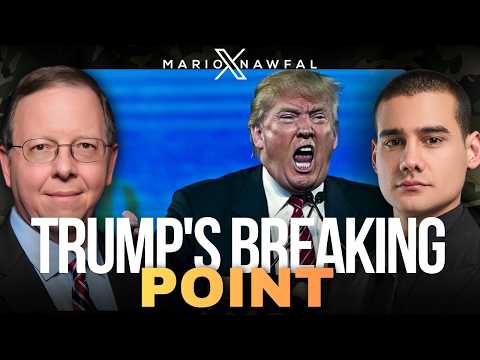
- Most often seen on Mario Nawfal.
Themes and assets
Most discussed assets
Transcript previews
Every analyzed appearance we have for this speaker, newest first. Open any transcript preview to read the underlying transcript.









Related speakers






Create your free research agent
Unlock every transcript this speaker appears in, compare them with your other followed voices, and ask the agent for the bull, bear, and consensus read in one workspace.
- Full transcript archive for this speaker
- Personalized relevance to your watchlist
- Cross-speaker comparisons inside your workspace
- AI chat about this speaker’s thesis
- Track how their view changes over time