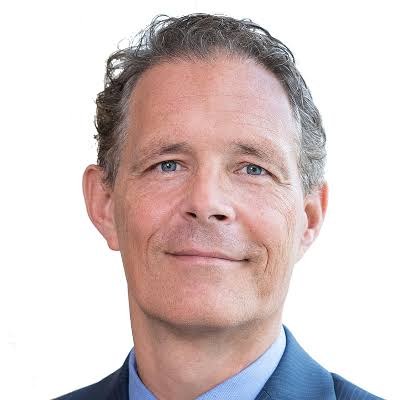
Armstrong’s recurring worldview is that markets are driven primarily by capital flows, geopolitics, and cyclical behavior—not by standard inflation narratives or central-bank…
📈 See how Martin Armstrong's thesis changed over time →Preview how this speaker shows up across market transcripts. Unlock the full archive, AI chat, and the version personalized to your watchlist, followed channels, and favorite speakers.
Martin Armstrong presents himself as a cyclical macro forecaster and founder of Armstrong Economics, known for an economic model he says tracks capital flows and can even anticipate geopolitical breaks. In the supplied material, he repeatedly frames his work as long-running, data-driven, and validated by events like Lebanon, Russia, Iraq, 9/11, and market swings. He emphasizes foreign exchange, sovereign debt, capital controls, reserve assets, and cross-border money movement more than conventional company-by-company or short-horizon market analysis. He also leans heavily on historical analogies and claims of direct access to governments and central banks.
Armstrong’s recurring worldview is that markets are driven primarily by capital flows, geopolitics, and cyclical behavior—not by standard inflation narratives or central-bank messaging. He argues that war risk, sanctions, capital controls, and political fragmentation drive major moves in gold, silver, currencies, and sovereign bonds. He is consistently skeptical of the euro and the EU’s institutional design, portrays the dollar as stronger because of market depth and U.S. economic structure, and sees gold as a neutral reserve asset in a world splitting into competing financial blocs. He also repeatedly says governments cannot reliably steer long-term cycles with QE or policy tools because money moves internationally and behaviorally ahead of official action.
Every analyzed appearance we have for this speaker, newest first. Open any transcript preview to read the underlying transcript.
Preview:Martin Armstrong argues that central bank gold buying is a geopolitical hedge against dollar weaponization, not a trade. He sees gold testing $2,700 resistance and potentially $3,000 near-term, warns of extreme volatility starting September, and predicts a 1–1.5 year equity correction after a 2024 cyclical high, followed by an explosive upside burst. He also discusses CBDCs as surveillance tools, sovereign default inevitability, and the erosion of free speech via international cyber treaties.
Preview:Martin Armstrong argues that mainstream economics is broken because it ignores currency fluctuations and human perception. He sees gold and silver in a short-term downtrend into early August, then pivoting to new highs. He warns that geopolitical escalation — particularly Ukraine attacking Russian refineries (cutting exports 40%), Iran targeting Dubai's financial infrastructure, and pressure on Putin from hardliners — threatens energy markets and global stability. Armstrong frames Russia as resource-rich and Europe as economically doomed without energy independence.
Preview:A compilation of Martin Armstrong clips where he recounts how his computer models unintentionally forecast wars by tracking capital flows, shares anecdotes about shadowy clients (Gaddafi, Marcos, Iranian counterrevolutionaries), and claims he wrote a peace plan for Putin at the US government's request. He argues Europe is dying economically from self-inflicted energy/sanctions policies and that Macron harbors ambitions to conquer Russia for its natural resources. The framing by Metal Sense is highly dramatized, but Armstrong's core thesis — that capital flows precede geopolitical crises — is genuinely interesting.
Preview:A Metal Sense video presenting clips from a Martin Armstrong interview arguing that Europe is structurally bankrupt, depleted of gold, and seeking to conquer Russia to seize its $75 trillion in natural resources. Armstrong claims capital is fleeing European safe havens (Switzerland, Sweden) for Dubai, Singapore, and the US, that Trump may issue 50-year gold-backed bonds by July, and that Europe is developing stablecoins to fund war efforts. The Dow's rise to 50,000 is framed as institutional capital seeking safety in numbers.
Preview:This is a Metal Sense compilation video that stitches together clips of Martin Armstrong and Peter Schiff alongside AI-narrated commentary. Armstrong argues gold will continue rising into 2026, with resistance at $4,500, then $5,000 as a psychological level, after which it "exponentially" targets $10,000 — all driven by geopolitical war dynamics and China's gold accumulation to hedge against being the West's next target after Russia. Schiff argues that gold- and silver-holders are almost universally profitable (unlike Bitcoin buyers), that equities priced in gold have been deflating for 20+ years, and that governments must perpetually inflate to prevent asset-price deflation and debt defaults. Armstrong also critiques the Eurozone's structural flaw (no consolidated federal debt), which he says forces traders to pick off the weakest member — explaining simultaneous dollar, stock, and gold strength. The video is heavily padded with AI-voiced summary paragraphs that repeat the clip content.
Preview:Martin Armstrong argues that rising gold and silver prices reflect insiders ("people behind the curtain") positioning ahead of coming capital controls and geopolitical crisis. He claims his computer forecasting model has successfully predicted wars and collapses. He sees silver and especially platinum as alternative hedges that may avoid capital controls, views Bitcoin as merely a money-laundering instrument, and predicts Europe will eventually cancel paper currency and force citizens into controlled digital currencies. He frames this as part of a historical cycle where socialism's economic inefficiency inevitably triggers systemic breakdown.
Preview:Martin Armstrong lays out a deeply bearish geopolitical thesis: the euro was structurally doomed from inception, European leaders are pushing for war with Russia to seize $75 trillion in assets, and Zelenskyy is deliberately trying to provoke World War III by attacking Russian refineries. He warns that Russia's September Duma elections could empower hardliners who would force a more aggressive posture, and that both Zelenskyy and Netanyahu are actively sabotaging Trump's peace efforts. The interview is almost entirely geopolitics with only tangential market implications — higher oil prices from refinery attacks and gold as a safe haven against systemic collapse.
Preview:Martin Armstrong argues that gold is driven by geopolitics and cyclical waves, not inflation. He contends the 19-year gold decline during rising US debt disproves the inflation narrative. He sees commodities in a boom cycle that will peak, correct, then surge again. He warns European war drums will trigger capital flight into the dollar and immediate capital controls, drawing parallels to WWI and the 1930s sovereign debt collapse. His core framework: markets follow precise 8.6-year cycles (pi in days), function through non-linear phase transitions, and debt market destruction — not stock crashes — causes true depressions.
Preview:A composite of Martin Armstrong interview clips — framed by a narrator — arguing that Western socialism is unsustainable and will collapse as communism did, that China is deliberately copying the US consumer model to eventually surpass it, and that gold rises because it is a neutral asset independent of which nation survives. Armstrong claims debt is sustainable only as long as buyers remain, warns that CBDCs are a tool for wartime capital controls, and contends political systems must change before any gold standard can return.
Preview:Martin Armstrong presents a geopolitically-driven gold and silver thesis, arguing that gold's recent correction is a low rather than the start of a prolonged decline. He contends markets are underpricing risks including Iran-Gulf state conflict, European debt fragility, a potential NATO-Russia escalation, and central bank gold buying for neutrality rather than price speculation. His Socrates computer model suggests geopolitical crises intensifying into Q1 2027, with gold's major support around $3,500 — though reaching that level is debatable. He also asserts the euro's structural flaw (no centralized debt) makes its failure inevitable and that European leaders are "gearing up for war" partly to distract from domestic fiscal fragility.
Preview:Martin Armstrong argues gold's rally is purely geopolitical, not inflationary. Central banks buy gold as a neutral asset amid rising war risks and sovereign default threats. He contends the weaponization of SWIFT against Russia fractured the global system, pushing China/India toward BRICS. Armstrong dismisses de-dollarization narratives, asserting US consumer dominance makes the dollar irreplaceable, while criticizing European austerity and warning capital controls will follow any major conflict.
Preview:This is a clip-compilation video presenting excerpts from a Martin Armstrong interview. Armstrong argues that central banks buy gold not as a speculative bet but as a neutral wartime asset — China is dumping US/EU bonds into gold because it knows Western nations would default in a conflict. He contends quantitative easing failed because it ignored currency effects and capital flows. He warns the next sovereign debt crisis may ignite in the Middle East via Gulf states unable to service pandemic-era debts, with Iran targeting refineries and the Strait of Hormuz, triggering defaults that rip through London and Europe. He argues Europe faces a binary choice: war with Russia or sovereign default that wipes out pension funds. The video wraps Armstrong's interview clips with dramatic narration framing his views as a "revealed endgame."
Preview:A narrated clip compilation of economist Martin Armstrong delivering a deeply bearish geopolitical thesis: Europe is sliding into authoritarian financial surveillance, Western leaders are actively seeking war via false flags, and the weaponization of SWIFT backfired by accelerating BRICS. Armstrong predicts escalation from November onward with the worst period in Q1 2026, warns against investing in Europe entirely, and recounts his direct experience advising China's central bank during its capitalist transition.
Preview:Martin Armstrong discusses how his proprietary computer model tracks capital flows to forecast geopolitical events and market turns. He argues gold has bottomed, oil should bottom around July 6th, and war escalates into early 2027. He describes capital fleeing Europe due to authoritarian controls, central banks buying gold for neutrality not bullishness, and markets crashing when consensus becomes one-sided. The transcript wraps Armstrong's views inside a sensationalized narrative overlay from the Metal Sense channel.
Preview:Martin Armstrong argues that China and Russia are accumulating gold not as speculative investors but because they cannot hold reserves in their geopolitical rivals' currencies — particularly after the weaponization of SWIFT and sanctions on Russia. He frames this as a strategic, neutral-reserve diversification rather than a price bet. Separately, he contends central banks have lost control because governments are now the largest borrowers, trapping them in a confidence game where raising rates would blow out government expenditures. He sees Europe as the weakest link in a fragile sovereign debt structure, with Japan also precarious.
Preview:Martin Armstrong argues that gold and US stocks are both rising because global capital is fleeing geopolitical risk and searching for neutral, safe stores of value — not because the dollar is collapsing. He frames the 2022 Russia sanctions/SWIFT removal as the catalyst that fractured the global financial system and spurred BRICS. Europe's fragmented sovereign debt structure makes it vulnerable to targeted short-selling during crises, unlike the US federal system. He warns that CBDCs will be used to cancel physical currency and potentially cryptocurrencies, accelerating the flight into tangible assets like gold and real estate. The dollar isn't dying — capital is still flowing into US markets as the least-bad safe haven.
Preview:Martin Armstrong argues that the global financial system is approaching a breaking point where governments will struggle to find buyers for their debt, not because of any specific debt-to-GDP ratio, but because of a collapse in confidence. He contends Keynesian economics no longer works when governments are the largest borrowers, that central banks are trapped, and that the weaponization of the dollar system (via sanctions) is accelerating a BRICS-led shift away from it. His core advice: avoid all government bonds and favor tangible assets. The presentation is a compilation of interview clips intercut with editorial narration that amplifies Armstrong's warnings.
Preview:A compilation of Martin Armstrong interview clips where he argues that global economic fragmentation is primarily geopolitical, not monetary. The sanctions on Russia divided the world economy, weakening globalization and pointing to declining growth through 2028. He dismisses de-dollarization and gold-backed currency narratives as "nonsense," frames the Swift system as a geopolitical weapon, discusses the euro's structural flaws, recounts his legal battles over gold, and warns that war serves as an excuse for sovereign default.
Preview:Martin Armstrong sees the recent gold selloff below $4,000 as a geopolitical-premium unwind, not a trend reversal. He believes gold is making a low with major support around $3,500 and expects a new leg up driven by escalating geopolitical crises from the week of July 6th onward, lasting into Q1 2027. He argues markets are underpricing risks around Iran, Ukraine, Taiwan, and European instability, and warns that a Gulf State debt default could trigger a banking crisis reaching London.
Preview:A Martin Armstrong interview clip compilation arguing that gold's rise toward $10,000 by 2030–32 and silver toward $175–200 is driven not by inflation but by collapsing confidence in government, sovereign debt risks, and proliferating global conflicts. Armstrong frames this as a recurring historical cycle where political institutions act in self-interest, devaluing currencies and breaking promises. The host's narration reinforces the message that investors should look beyond official narratives.
Preview:The video argues that the world is moving away from dollar-centric finance toward gold, silver, and other hard assets because governments can freeze reserves, print too much money, and punish capital with taxes and controls. Martin Armstrong rejects the gold standard as a fix, while Marc Faber says countries and investors are increasingly diversifying away from the U.S. dollar and SWIFT into gold, silver, and possibly digital or tokenized settlement.
Preview:Martin Armstrong argues the key market shift is not simply gold versus stocks, but capital fleeing into private, tangible assets as trust in governments and sovereign debt weakens. He ties gold’s strength to political and geopolitical stress, sanctions, debt rollover risk, and the possibility of harsher regulation or forced conversion for gold, silver, and crypto.
Preview:Martin Armstrong argues that major market crashes are usually liquidity events, not simple bearish turns: crowded trades, forced selling, and a lack of bid matter more than headlines. Using examples like Russian GKOs, LTCM, 1987, and the current debt backdrop, he says central banks are trapped between inflation and rising government funding costs, while tariffs, sanctions, and redistribution politics worsen fragmentation and capital flight.
Preview:Martin Armstrong argues that gold’s current pullback is likely a seasonal low rather than a trend break, with support around $3,950 and a possible rebound into August. He links that view to broader sovereign-debt stress, geopolitical escalation risk in Asia and the Middle East, and continued capital flows into the dollar, gold, blue-chip stocks, and real assets.
Preview:Martin Armstrong argues that sovereign debt, not inflation theory, is the core market risk: rising interest costs, debt rollover pressure, and the search for new debt buyers will drive policy. He says CBDCs are politically and constitutionally constrained in the U.S., so stablecoins backed by U.S. debt may become a substitute demand source for Treasuries. He also frames AI as productivity-positive but warns any control-network use will fail, while geopolitics and unrest could intensify through 2032.
Preview:A clip compilation featuring Martin Armstrong and Rafi Farber presenting independent precious metals commentary. Armstrong argues silver is approaching $65-68 resistance with a potential run to $80, driven by sovereign debt risk and geopolitics. He warns Europe is heading toward capital controls, digital currency restrictions, and possible gold/Bitcoin clampdowns, noting JP Morgan moved its gold desk to Singapore as a hedge. Farber shows the Nikkei priced in gold has gone nowhere since 2015, calls the Japanese stock rally an illusion, and flags declining gold mining ETF shares outstanding despite strong price gains — a contrarian signal. Both see Fed discount window usage creeping toward levels that preceded prior banking crises.
Preview:Martin Armstrong argues the recent gold selloff can still fit a larger bullish cycle, with a potential June low before the next move higher, while the bigger macro risk is not just oil but a sovereign-debt and banking crisis tied to Middle East disruption. He says attacks on Gulf states and the Strait of Hormuz matter because they can choke financing, trade, fertilizers, and industrial inputs, creating far broader economic stress than most headlines recognize.
Preview:Martin Armstrong argues that Europe is moving toward tighter capital controls, possible restrictions on gold ownership, and more pressure on cross-border money flows, which is why he thinks JP Morgan shifted a gold desk to Singapore. He pairs that with a broader warning that Europe is more vulnerable than the U.S. because its banking and pension systems are exposed to member-state debt, making gold and silver beneficiaries of sovereign-debt and geopolitical risk. He also spends a meaningful portion of the clip explaining his skeptical view of AI, saying it is useful for analysis and lookup but cannot invent or create from scratch.
Preview:Martin Armstrong argues that the real driver of markets is not isolated assets but global capital flows, which move in herd-like waves across countries, currencies, and commodities. He uses historical examples — Tokyo, Southeast Asia, Russia, the LTCM crisis, the Asian currency crisis, the pound attack, and the euro’s design flaws — to argue that booms, busts, and even geopolitical shocks can be anticipated by tracking where capital concentrates and then abruptly exits.
Preview:Martin Armstrong argues that gold is being repriced by a broader loss of confidence in paper claims, not by a simple inflation formula. He says that if gold tracked U.S. national debt proportionally it would be near $30,000, but in reality capital also moves into other tangible assets such as companies with physical assets, real estate, and art. He also ties the current gold bid to sanctions, BRICS, and central-bank reserve diversification rather than speculation.
Preview:Martin Armstrong argues that the West is heading toward a debt-driven systemic break, driven by governments borrowing beyond what higher rates can fix and made worse by war, capital controls, and CBDCs. The video leans heavily on historical analogies—Bretton Woods, Mainz, World War I, Pearl Harbor, 9/11—to claim the same pattern is repeating now.
Preview:Martin Armstrong argues that the Middle East conflict, especially Iran vs. Israel, is unlikely to see a near-term peace deal and that gold and markets may weaken into next week before rebounding into August, with June potentially marking the low. He frames the conflict as a deep religious and political war, says Trump has been pulled into a quagmire by Netanyahu, and ties Gulf-state debt, capital flight, and attacks on infrastructure to a broader sovereign-debt and banking risk in the region.
Preview:Martin Armstrong argues that gold’s recent weakness is a temporary liquidity event, not a secular top: forced selling from banking stress in the UAE and Russian sales tied to sanctions explain the drop, while long-term demand is still supported by debt, capital-control, and geopolitical risks. He also says institutions are more likely to favor miners and equities over physical gold because gold yields nothing, and he expects Europe to face deeper structural problems than the U.S.
Preview:Martin Armstrong argues that gold remains in a long-term bull market, with volatility and major pullbacks along the way, and he ties the setup to capital flows, war risk, and energy disruptions. He thinks the next major gold resistance is in the low $6,000s and says the geopolitical backdrop from mid-June into August looks increasingly dangerous, with oil, gasoline, and broader inflation risks moving higher if conflict escalates.
Preview:Martin Armstrong’s interview clip argues that Europe is the main danger zone, with CBDCs and capital controls likely to accelerate if geopolitical stress rises. He says gold is rising because capital is fleeing political risk, but stocks and the dollar can rise too as money searches for liquid, protected havens.
Preview:The transcript centers on Martin Armstrong’s argument that Europe’s debt structure, migration pressures, and war rhetoric are converging into a political and financial trap. He says the euro was not built with proper debt consolidation, so one country’s stress can cascade across the bloc, and he claims elites increasingly use Russia/Ukraine and NATO escalation to divert attention from domestic failure. He also points to gold reserves moving from Europe to the U.S. as a sign that war risk and capital flight are being priced in.
Preview:Martin Armstrong argues that gold, silver, debt, war, and capital flows are tied together by the business cycle and that the biggest mistake is blaming the Fed for problems actually created by government debt and war financing. He says the gold standard cannot be fixed because fixed exchange rates always break under changing supply, demand, and capital movement, and he uses historical examples like Bretton Woods, the California gold rush, World War I/II, Lebanon, Russia, and Ukraine to support the idea that his model tracks global stress before headlines do.
Preview:Martin Armstrong discusses his Socrates computer model's ability to forecast geopolitical events by tracking capital flows, arguing that money moves before headlines. He outlines a "brushfire" World War III scenario with simultaneous conflicts, predicts escalation from next week through August into Q1 2027, and details Iran's decentralized military structure, the Gulf debt crisis, and trapping of US policy in the Middle East. Gold, silver, and safe havens are implicitly favored in the rising-uncertainty thesis.
Preview:Martin Armstrong argues that gold is best understood as a monetary asset whose price is driven less by inflation than by supply/demand, geopolitical stress, capital controls, and sovereign-credit risk. The video frames the current world as moving toward war-driven uncertainty, tighter controls on capital, and greater demand for hard assets like gold, real estate, and potentially silver.
Preview:Martin Armstrong argues the world is entering a sharper phase of geopolitical escalation, with Iran, Ukraine, Taiwan, and parts of Europe all moving toward conflict-related stress. He says his capital-flow model is flagging a more intense period starting next week, worsening into August, then again into early 2027, with wars feeding into energy, banking, and sovereign debt crises.
Preview:Martin Armstrong argues that the real driver of the next monetary regime change is not simple inflation or interest-rate policy, but rising sovereign debt, declining confidence, and geopolitics. He says the West is moving toward debt stress and possible default dynamics, with Europe—especially Germany—and Japan highlighted as vulnerable, while gold should rise as people question whether governments can survive their obligations.
Preview:Martin Armstrong argues that the key force in markets is capital flow, not just inflation or war headlines. He says gold can fall even during conflict if Russia or other holders need liquidity, while money often moves into U.S. stocks, the dollar, New York, and Singapore when Europe or other regions face war risk, sanctions, or capital controls.
Preview:Martin Armstrong argues that gold is rising because central banks are treating it as a neutral reserve asset while sovereign debt and political trust deteriorate. He says sanctions on Russia accelerated a shift away from holding other nations’ debt, Europe is more vulnerable than the U.S., and gold could eventually reach $8,000 to nearly $10,000 by 2032 if these trends persist.
Preview:Martin Armstrong argues the world is entering a dangerous phase where war, debt, and capital controls are reinforcing each other. He says governments are carrying unsustainable war-related debt, interest costs are compounding, and capital is already moving into the U.S. and into gold as Europe leans toward CBDCs and controls. He also sees the Iran/Israel conflict and Taiwan tensions as linked through missile attrition, resource constraints, and shifting geopolitical risk.
Preview:Martin Armstrong argues that the recent metals pullback is temporary and that gold and related safe havens should turn back up into August as geopolitical risk, energy pressure, and capital flows intensify. He links the setup to war risk in Europe and the Middle East, a likely stagflationary U.S. backdrop, and a deeper European banking/capital-controls problem than a normal cycle slowdown.
Preview:Martin Armstrong argues that the world is moving into a multi-front conflict phase that could peak around August or September, with Taiwan, Ukraine, the Middle East, and North Korea all interacting. He says that in war, capital flees to safety: gold should bottom soon and turn up, stocks can still make highs, and private tangible assets like real estate, collectibles, and coins may outperform while governments tighten controls.
Preview:Martin Armstrong argues that gold and silver are driven more by geopolitics than inflation, and he uses historical episodes like the 1980s Afghanistan invasion and Bretton Woods to make that case. He projects silver around $165 by 2032, warns that Europe’s debt structure and NATO tensions could create more contagion, and says the dollar’s strength comes from US economic power and consumer demand rather than commodity backing.
Preview:Martin Armstrong argues the world is entering a multi-front geopolitical danger zone, with Taiwan, Korea, Ukraine, and smaller regional flashpoints potentially feeding off one another. He says the big risk is not one clean bloc war but several “brushfires” that could coordinate into something larger if the U.S. cannot credibly defend all allies at once.
Preview:Martin Armstrong argues that gold is being repriced less by CPI and more by a deeper breakdown in confidence across sovereign debt, banking, and geopolitics. He says Europe’s euro design simply moved instability from currencies into bond markets, and that rising war risk and war spending are now being used as political cover for failing monetary systems. The video wraps these claims in a strong bullish case for gold and silver, including the idea that central banks are already accumulating gold and that the next monetary transition could take gold much higher, possibly toward $10,000.
Preview:Martin Armstrong argues that gold is rising because confidence in debt, currencies, and political leadership is breaking down. He ties that to sovereign debt stress, rising interest burdens, sanctions, and geopolitical conflict, while saying the dollar still dominates because of the depth of U.S. markets and the size of the U.S. economy. He also expects oil and war risk to stay important as the conflict cycle drags on.
Preview:Martin Armstrong argues that geopolitics, energy dependence, and sovereign debt stress are converging into a bigger monetary regime shift, with gold and silver as the main beneficiaries. He is especially bearish on Europe’s long-term strategic position and repeatedly says wars and financial crises tend to move money into hard assets before most people notice.
Preview:The video argues that gold and silver are becoming more important as confidence in fiat money, government debt, and central banks weakens. Martin Armstrong is presented as the main voice behind a broad monetary reset thesis: governments will not truly pay down debts, debt crises will force central banks to monetize losses, and gold could rise toward $10,000 by around 2032. The transcript also emphasizes that the U.S. dollar’s reserve status rests more on deep markets and the refusal to cancel currency than on any commodity backing.
Preview:Martin Armstrong argues that central banks are buying gold mainly as a geopolitical escape hatch from a dollar system they no longer fully trust, not as a return to gold backing. He says the weaponization of the dollar after Russia was cut off from Swift pushed countries like China, Russia, India, and Turkey to reduce exposure to U.S. debt and move into gold and other real assets. He also expects higher volatility, sees gold resistance around $2,700 and then $3,000, and warns that the EU and even the U.S. face structural political fragmentation.
Preview:Martin Armstrong argues that gold’s current role is geopolitical, not just speculative: BRICS and other non-Western actors are buying gold to reduce exposure to dollars/euros after sanctions and SWIFT were used as political weapons. He extends that to a broader warning that war, debt defaults, fixed gold standards, and digital currency all reflect a deeper loss of trust in governments and fiat systems.
Preview:Martin Armstrong argues gold and silver are being driven less by inflation than by geopolitical stress, war risk, capital controls, and collapsing confidence in governments and financial systems. He highlights Europe as especially fragile, warns that authorities may restrict physical gold movement or account access in a crisis, and says gold could see volatility into October/November before potentially resuming a larger uptrend toward $5,000 and beyond.
Preview:A channel clip of Martin Armstrong argues that Europe is pushing war with Russia because debt, pensions, and weak public finances leave leaders little room to admit failure. He says governments use conflict to justify emergency powers and asset seizure, and he extends that pattern to Vietnam, Iraq, Pearl Harbor, and Ukraine.
Preview:Martin Armstrong argues the recent weakness in gold and silver was a temporary, geopolitically driven correction rather than a change in the larger trend. He ties the pullback to forced selling from Russia-related sanctions, banking disruptions in the UAE, and capital fleeing toward Dubai and Singapore, while still expecting metals to strengthen again after May, possibly starting in June.
Preview:The video is a reactionary excerpt centered on Martin Armstrong’s war-cycle model and his claim that global conflict risk is rising into 2027, with August/November flagged as especially risky and 2026 described as a rare panic cycle. The speaker frames Western political and economic strain, NATO pressure, Russia/China responses, and the weaponization of finance as part of a broader breakdown in trust and stability.
Preview:Martin Armstrong argues the market is entering a geopolitically driven inflation/stagflation phase, with energy shortages and Iran/China tensions as the key near-term catalysts. He thinks Europe is headed for a deeper downturn, the U.S. can still attract safe-haven flows for now, and gold/silver may pause briefly before resuming higher.
Preview:Martin Armstrong argues that governments under pressure create external enemies to preserve power, and he applies that lens to Europe, the Middle East, and Asia. He says the West is weakening, China is rising, Russia’s resources matter strategically, and that combination makes lasting peace unlikely and hard assets more relevant.
Preview:Martin Armstrong argues that the current debt and geopolitical backdrop is pushing capital toward neutral, portable hard assets like gold, though he says gold is only one part of a broader tangible-asset shift. He also makes a more expansive claim that Western policy around Russia/Ukraine and Europe is driving fragmentation, while the euro and European model remain structurally weak.
Preview:The video argues that gold, silver, and miners are being driven less by inflation and more by geopolitics, sanctions, central-bank reserve shifts, and declining confidence in the dollar. Martin Armstrong emphasizes historical war cycles and capital flows; Peter Schiff emphasizes that precious metals are still early in a bull market while tech stocks and paper assets remain vulnerable.
Preview:Martin Armstrong argues gold still has room to run, but his realistic target is around $5,000—not $10,000 or $100,000. He frames gold’s strength as a response to capital flows, war risk, sanctions, and capital controls, not simply a weaker dollar or higher inflation.
Preview:This interview argues that gold and silver are being held back by the dollar-based credit system rather than by ordinary inflation dynamics. Martin Armstrong emphasizes geopolitics, debt, and reserve currency structure; Rafi Farber emphasizes silver’s physical market plumbing, open interest, and the possibility that a shrinking physical supply in London could break paper-market control.
Preview:The video is a commentary on Martin Armstrong’s view that markets, especially gold, are being driven less by fundamentals than by anticipatory capital flows around war, sanctions, and sovereign stress. Armstrong argues that “somebody always knows” before geopolitical events, that the recent Iran episode did not produce the expected gold/dollar reaction because the market saw the conflict would be contained, and that the broader system is moving into a more fragile phase where debt, geopolitics, and regime-change thinking can trigger violent re-pricing.
Preview:Martin Armstrong argues the world is entering a sovereign-debt-driven contraction, with Europe at greater risk than the U.S. He rejects tariff explanations for recessions, says central banks are not the main driver, and frames gold-standard/dedollarization talk as incomplete or misleading unless the political system changes first.
Preview:Martin Armstrong argues that gold remains in an uptrend into 2026, with $4,500 as the first real resistance, then $5,000, and possibly $10,000 if the psychology breaks. He frames the move as driven less by inflation and more by sovereign-debt stress, war risk, capital flight to safety, and confidence loss in governments and institutions.
Preview:Martin Armstrong argues that gold’s recent weakness is a temporary liquidity event, not a structural bear case. He says forced selling, banking stress, and sanctions-related flows can push gold down even during war, while the longer-term backdrop still favors hard assets as capital seeks safety outside government control.
Preview:Martin Armstrong argues that gold's failure to rally amid geopolitical tension is a warning sign: smart money is not pricing inflation or recession, but the risk that governments will shut down free markets, impose capital controls, and restrict price discovery — as they did in both World Wars. He sees neocons pushing for confrontation before the election, and warns that traditional safe-haven strategies fail when markets lose their freedom. His long-term structural view points to a debt-driven crisis culminating around 2032, with physical gold and pre-1965 silver coins as the only reliable hedges in a regime of financial repression.
Preview:Martin Armstrong argues that gold’s recent strength is being driven primarily by geopolitics, not inflation, and that central-bank buying reinforces gold’s role as a neutral reserve asset. He extends that argument into a broader warning that Europe is vulnerable to debt, capital controls, and possible systemic stress, while also saying AI-related equities like Nvidia may be near a temporary peak even as large institutional money still prefers blue chips like the Dow.
Preview:Martin Armstrong discusses how geopolitical conflict — particularly the risk of war in Europe — drives gold demand among central banks and investors. He argues gold is not primarily an inflation hedge but a barometer of confidence in government, and that the real catalyst for the current gold cycle is the weaponization of the financial system (removing Russia from SWIFT) and the threat of sovereign default during war. He advises European clients to move capital and gold to the US, draws historical parallels to WWI/WWII, and critiques neoconservative foreign policy as myopic and destructive to US economic interests.
Preview:Martin Armstrong argues gold is rallying less because of inflation and more because of geopolitics, war risk, and capital flight. He says gold’s real role is as a neutral transition asset when confidence in currencies, governments, and regions breaks down, and he repeatedly claims that if gold had simply tracked inflation and debt, it would already be above $30,000 an ounce. He ties the move to Europe’s weakening economy, sanctions on Russia, and rising fears of capital controls and war.
Preview:Martin Armstrong argues that gold is rising as part of a broader repricing of tangible assets, but he says the deeper driver is collapsing confidence in paper money and government promises. He rejects the idea that fixed pegs, gold standards, or cryptocurrencies can reliably survive business cycles and real-world shocks, and he uses historical examples like Bretton Woods, Weimar Germany, Rome, Japan, and Hong Kong pegs to show how monetary regimes break when trust disappears.
Preview:Martin Armstrong argues that the world is moving toward intensified fragmentation, with China rising as a future financial center after 2032, Europe weakening, and the U.S. becoming more like a fading imperial power than a fully intact hegemon. He ties that thesis to war risk, energy insecurity, food shortages, and political polarization, while sharply criticizing Netanyahu, Trump, Zelenskyy, NATO, and European leaders for escalating conflict and ignoring downside risks.
Preview:The video argues that gold is becoming a neutral reserve asset in a more fragmented global monetary system, not a classic fixed-price gold standard. Martin Armstrong says sanctions, SWIFT weaponization, and geopolitical conflict are pushing countries like China and Russia to move reserves out of dollars and euros and into gold because reserve assets can be frozen in an enemy currency. Andy Schectman reinforces the thesis with examples of China’s digital renminbi settlement network and the widening BRICS ecosystem, which he says could weaken SWIFT’s leverage even if it does not fully replace it yet.
Preview:Martin Armstrong argues that gold is driven far more by geopolitical stress and systemic breakdowns than by inflation alone. He says wars, capital controls, sovereign debt problems, and centralized political control can trigger fast repricings in gold and silver, while long stretches of inflation or debt growth do not necessarily help precious metals.
Preview:Martin Armstrong argues that gold is driven primarily by geopolitics, not inflation. He says wars, sanctions, default risk, and loss of trust in sovereign debt are the real reasons gold rises, and he uses the 1970s/1980 surge as his main historical example. He also criticizes media narratives around tariffs and market panics, saying they distort what is actually happening in the current account, debt markets, and technical structure of equities.
Preview:Martin Armstrong argues that the big story is not headline debt levels but capital flow behavior: money and private gold are moving toward the United States because investors fear war, capital controls, bank stress, and sovereign default more elsewhere. He says Europe is especially fragile after years of negative rates and distorted bond markets, while the dollar can stay firm even if U.S. debt is huge because in crises capital seeks the least-unstable major market. The video also expands into Trump tariffs, trade deficit mechanics, Roosevelt-era gold policy, and Armstrong’s proposed debt restructuring ideas.
Preview:The video argues that gold and silver flows from Europe to the U.S. are signaling rising war risk, impending capital controls, and a broader shift into hard assets. Martin Armstrong is presented as the authority supporting that view, while also arguing digital currencies are part of the same control architecture.
Preview:Martin Armstrong argues gold and silver are in a potentially explosive bull phase driven less by inflation and more by geopolitical stress, sovereign-debt anxiety, and technical breakout levels. He says gold has major resistance near $4,500, with $5,000 the next psychological target if that breaks, while also warning of a possible October/November top or pullback before a larger move higher.
Preview:Martin Armstrong argues that gold’s recent strength is driven primarily by geopolitics, not inflation: central banks, especially China and others in conflict-prone regions, are moving out of sovereign debt and into gold because it is a neutral reserve asset. He also says silver’s backwardation and the gold/silver ratio reflect stress underneath the surface, and he ties the whole setup to rising war risk, fragmentation, and distrust in government debt.
Preview:Martin Armstrong argues that gold is not rising mainly from speculation but because the global financial system is becoming less stable, more geopolitical, and less trustworthy. He says central banks are buying gold because it is neutral, cannot default, and serves as insurance in war and debt stress. He also argues that interest-rate policy is a weak tool, Europe is economically deteriorating, and that long-term cycle analysis points to gold eventually reaching $5,000 — but not $5,000 in today’s purchasing power.
Preview:Martin Armstrong discusses his computer cycle model's forecasts, arguing that the sharp rise in gold and silver reflects "people who know what is going on behind the curtain" positioning ahead of major economic stress. He lays out silver resistance levels ($78-$80, $89-mid-$90s, $100 psychological, $104 strong) and flags platinum's sudden surge as smart-money rotation into an asset historically excluded from capital controls. He also dismisses Bitcoin as merely a "money laundering instrument," predicts Europe will impose capital controls and push digital currencies, and forecasts a panic cycle starting in February with the euro under direct threat. The overarching thesis: socialism is failing in Europe just as it failed in the Soviet Union and China, and this historical turn will drive precious metals higher amid tightening financial repression.
Preview:Martin Armstrong argues that global capital is fleeing political risk in Europe into the US, explaining why stocks, gold, and the dollar can all rise together. He warns that governments will impose capital controls, cancel physical currencies in favor of CBDCs, and potentially ban cryptocurrencies when the next crisis hits. He also flags France's sovereign debt as a systemic threat to the European banking system, noting that unlike the US, Europe never consolidated its debts — making contagion and targeted bank shorts likely. The core thesis: capital seeks jurisdiction safety and tangible assets, not just gold or equities in isolation.
Preview:A Metal Sense compilation featuring clips from Martin Armstrong and Rafi Farber making the case that precious metals are rising primarily on geopolitical fear, not inflation. Armstrong warns of a panic cycle year for war, particularly around April, and argues gold's real driver is conflict — citing the 1979-80 Afghanistan invasion spike. Farber presents technical data showing gold open interest at 10-year lows (~400K contracts) and silver open interest near 2-year lows (~132K), interpreting low speculative participation as bullish for future price expansion. He also highlights silver backwardation, unstable London-New York spreads, collapsing registered silver inventories, and China's silver export ban as signs of a fragile physical market that could drive silver to outperform gold.
Preview:Martin Armstrong discusses his computer model's gold forecast: after hitting the first major resistance at $5,000, gold could reach ~$10,000 by 2032. He frames this within a broader sovereign debt crisis thesis, drawing a parallel to 1931, and sees the eurozone as structurally vulnerable with no federal debt backstop. Silver has a "legitimate shortage." The core driver is declining confidence in government, not just inflation or speculation.
Preview:A hybrid video weaving together a Metal Sense channel narration with interview clips from Martin Armstrong and Ed Steer. Armstrong's Socrates computer model projects a US recession, a European depression, and a global breakup cycle intensifying into 2028, with China rising as financial capital after 2032. Ed Steer dissects COMEX silver delivery mechanics, warning that a forced-delivery event is building and that the CME could intervene — though doing so might destroy the COMEX as a price-setting mechanism. Both advocate physical metal ownership.
Preview:Martin Armstrong argues the Iran war is not an isolated event but the start of a wider global breakdown: energy chokepoints, civil unrest, NATO-Russia escalation, and political-system failure. He says Netanyahu drove the conflict for years, Trump underestimated the risks, and the main near-term danger is disruption to the Strait of Hormuz and the wider banking/energy system.
Preview:Martin Armstrong discusses gold's recent decline as a short-term liquidity crisis driven by Middle East tensions and forced asset sales, not a trend reversal. He analyzes why the dollar remains the reserve currency (consumer-base dominance, not petrodollars), argues China is copying the US consumer model, and offers a stark view on the Iran conflict — a religious war with no clean exit, where Trump was "hoodwinked" by neocons. Armstrong claims he was personally asked to write a Russia peace plan outside normal State Department channels, framing it as proof Trump genuinely opposed war.
Preview:A compilation of clips from Martin Armstrong and Rafi Farber discussing gold's recent price action, its decoupling from futures open interest, and the geopolitical backdrop. Armstrong argues gold is undergoing a near-term correction into April, with geopolitical tensions set to intensify from May through September — including possible US-Iran conflict that could draw in Russia and China. Farber presents charts showing gold open interest has collapsed to ~350K contracts (levels not seen since 2008) even as price has more than doubled from $2,000 to ~$5,500, signaling a structural decoupling from futures markets. Both silver and gold are entering a period of higher volatility driven by real demand rather than speculative positioning. The net thesis: gold's correction is temporary, and structural forces — including capital flight from traditional safe havens like Switzerland and growing geopolitical risk — support a resumption of the uptrend.
Preview:Martin Armstrong argues the Iran conflict is likely to be prolonged and destabilizing, not a quick, limited operation. He ties that view to a broader thesis of rising sovereign debt, war-driven defaults, and continued strength in gold, oil, and silver as uncertainty and capital-flight trades.
Preview:Martin Armstrong argues that 2026 could bring a high-volatility “panic cycle” driven by war escalation, European economic fragility, and capital-control risk. He is strongly bearish on EU leadership, skeptical of any durable Ukraine peace deal, and bullish on precious metals as signals of stress in the monetary system.
Preview:The interview centers on Martin Armstrong’s bearish view that the euro and EU are headed toward a debt-driven fracture, with the euro unlikely to last beyond 2030. He argues Europe’s core problem is unresolved sovereign debt, political centralization, weak growth, and the use of sanctions/freezes as a sign of desperation rather than strength. He also ties the euro’s future to broader geopolitical shifts: Russia sanctions, SWIFT, BRICS, China, and Venezuela.
Preview:Martin Armstrong argues gold is consolidating around $4,100 and will not crash because the world is entering a multi-front global conflict ("World War III") that will escalate after January 2026. He frames gold not as a speculative trade but as a neutral reserve asset amid a sovereign debt crisis, where central banks buy gold not because they are bullish but to hedge against the possible collapse of governments. His core thesis: confidence in government debt is eroding first in Europe and Japan, war is the escape valve for politicians, and gold has a structural bid that prevents a return to $2,000 unless genuine peace breaks out — which he sees as impossible.
Preview:Martin Armstrong presents a deeply controversial geopolitics-focused interview, arguing that the Russia-Ukraine war is driven by neoconservative forces in Washington and the EU who seek Russia's destruction. He claims Ukraine has deep Nazi historical roots, that the war was provoked by NATO expansion, and that Europe's push for war stems from its imminent economic collapse. Armstrong outlines a backchannel-sanctioned peace plan centered on honoring the Minsk agreement, joint US-Russia rare-earth mining, and the Roman free-trade model as the path to lasting peace. He warns that Tomahawk missile provision risks nuclear escalation. Little traditional market analysis is presented; the conversation is almost entirely geopolitical.
Preview:Martin Armstrong argues that Europe is heading toward capital controls, debt stress, and political instability, and that those pressures are pushing gold, gold stocks, and other hard assets higher. He says the U.S. is comparatively safer, while war risk, supply-chain disruption, and a 2026 panic cycle argue for holding food, silver coinage, and private assets rather than government debt.
Preview:Martin Armstrong argues that the world is sliding toward two linked breakdowns at once: escalating interstate war and rising civil unrest. He focuses on the Middle East, Ukraine/NATO-Russia tensions, capital flight into hard assets, and the risk that Europe—especially the euro area—faces capital controls, CBDC pressure, and financial stress before the U.S. does.
Preview:Martin Armstrong, interviewed by Paul Botink, argues Europe is financially insolvent, beating war drums against Russia to distract from looming IMF bailouts and pension fund collapses. He claims stablecoins under the GENIUS Act are modern war bonds, the euro was structurally doomed from inception, and his computer model forecasts escalating international war in 2026 with China becoming the financial capital post-2032. The EU will eventually break up because it cannot sustain centralized control over disparate cultures and unreformed debt.
Preview:Martin Armstrong argues that Europe is sliding toward war and economic breakdown, with 2026 as the key horizon. He says NATO/EU elites want escalation, that Ukraine is being used as a lever against Hungary and broader European sovereignty, and that the conflict is really a NATO-Russia proxy dynamic that could spread as a contagion across multiple flashpoints.
Preview:Martin Armstrong argues the Ukraine war is being pushed toward direct NATO involvement, with Western elites and neocons using Trump, sanctions, and proxy-war logic to escalate rather than negotiate. He says a 250,000-troop NATO deployment into Ukraine is being discussed, warns war is becoming a contagion across regions, and ties today’s conflicts to historical cycles, cultural conflict, and repeated policy failures.
Preview:Martin Armstrong argues the Ukraine war is entering a dangerous escalation phase, driven less by diplomacy than by European political/economic stress and NATO’s inability to let Ukraine fail. He says his computer models point to pressure building from August onward, with 2026 as the bigger inflection point, and he links rising gold/silver to geopolitical tension rather than inflation or central-bank enthusiasm.
Preview:Martin Armstrong, founder of Armstrong Economics, joins host Danny on CapitalCosm to discuss the US/Israeli strikes on Iran's nuclear facilities. Armstrong argues the neocons manipulated Trump into conflict, that this is the beginning not the end of escalation, and that his computer models show war intensifying from August through 2026, with a "panic cycle" not seen in 40 years. Markets are complacent, believing this is one-and-done. Armstrong sees gold pulling back to retest $3,000 near-term before "holy hell breaks loose" in August, with a broader economic decline running into 2028. The conversation covers Strait of Hormuz closure risk, BRICS, European civil unrest, and the structural decline of globalist power.
Preview:Martin Armstrong argues the EU is imploding economically and politically, Ukraine will cease to exist as a country, and the neoconservative agenda is deliberately provoking war with Russia. He claims Germany's economic collapse is driving EU disintegration, NATO is a "retirement home for neocons" that should have been disbanded, and Trump's public tariff threats against China backfired by making it culturally impossible for China to negotiate without losing face. Armstrong's Socrates computer model reportedly shows Ukraine "flatlining" — a pattern he claims has never appeared for any country before.
Preview:Martin Armstrong argues that all central banks are trapped: raising rates to fight inflation is self-defeating because governments are the largest borrowers. He sees the global financial system heading toward sovereign defaults, starting with Japan or Europe, and expects China to emerge as the world's financial capital after 2032. The interview covers weaponization of SWIFT, the existential risk of asset confiscation in the EU, the deep structural flaws in the euro, and why gold rises on geopolitical fear rather than inflation. Armstrong is distinctly anti-war, anti-NATO, and critical of the neocon foreign policy establishment, offering an idiosyncratic mix of historical analogies, personal anecdotes of advising governments, and cyclical model-based forecasts.
Preview:Martin Armstrong argues the real driver of markets right now is geopolitics, not inflation. He says old ethnic, religious, and regional grievances are reasserting themselves across Ukraine, the Middle East, India-Pakistan, Europe, and even Canada, and he sees NATO and the Davos/WEF elite as increasingly discredited. On markets, he frames gold’s recent pause as a short-term geopolitical signal, but says the bigger warning is rising bond yields and war risk, which he believes can trigger defaults, capital controls, and financial contagion.
Preview:Martin Armstrong argues that central banks have lost control, that sovereign debt crises are ultimately confidence crises, and that Europe is the weakest link. He ties today’s geopolitical tension to a deliberate effort by neocon policymakers to provoke conflict, especially with Russia and China, while also arguing that gold is becoming a neutral reserve asset rather than a fixed monetary anchor.
Preview:Martin Armstrong argues the tariff panic was exaggerated by the press and that the selloff was largely a normal, computer-timed correction rather than proof of a deeper collapse. He says capital is fleeing Europe, not the United States, because Europe’s debt structure, sanctions, and war posture are destabilizing the region; in his view, that capital should eventually support U.S. assets and push the Dow to new highs. He also warns the most serious medium-term risk is a broader Europe-Russia war, with China aligned with Russia and the U.S. trying to stay out.
Preview:Martin Armstrong argues the world is entering a recession/debt crisis that could run into 2028, with Europe at the center because governments are using war rhetoric to justify fiscal and political control. He says gold is rising mainly as a geopolitical and sovereign-credit hedge, not because of ordinary inflation, and warns that digital currency and capital controls could trap money in place.
Preview:The episode is an extended geopolitical macro panel arguing that the Trump–Zelensky clash, Europe’s push for continued war, and the UK’s role in Ukraine are part of a coordinated struggle over security guarantees, resources, and capital flows. Martin Armstrong, Tom Luongo, and Alex Krainer frame Europe as financially weak, politically manipulative, and dependent on dragging the U.S. into the conflict, while also linking the setup to gold flows, bond-market stress, and the Epstein files as part of a broader power struggle.
Others tracked across the same asset focus or market thesis.
Unlock every transcript this speaker appears in, compare them with your other followed voices, and ask the agent for the bull, bear, and consensus read in one workspace.
Type a question. Create a free agent to send it and keep the answer linked to this speaker.
Your question is preserved across sign-in.
Free. No card. Takes about a minute.