bearish market commentary with personal short-selling and client planning
📈 See how Peter Grandich's thesis changed over time →Preview how this speaker shows up across market transcripts. Unlock the full archive, AI chat, and the version personalized to your watchlist, followed channels, and favorite speakers.
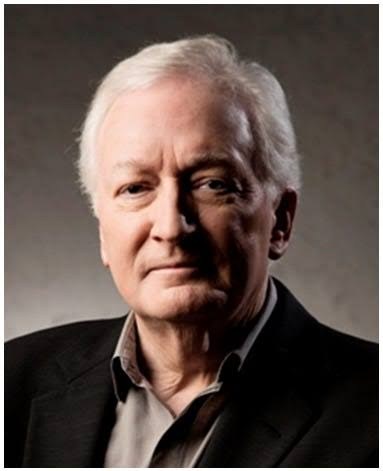
Peter Grandich is a veteran market commentator and founder of Peter Grandich & Company who presents himself as a long-tenured, contrarian macro observer. Across the supplied material, he repeatedly emphasizes capital preservation, timing risk, and the importance of selling or reducing exposure when sentiment and valuations become extreme. He is highly skeptical of broad U.S. equities and often frames the market as overdue for a major top or melt-up reversal. At the same time, he is willing to shift positions rather than stay permanently one-sided, moving in and out of precious metals depending on price and sentiment.
Grandich’s recurring economic worldview is bearish on U.S. financial assets and constructive on hard assets, especially gold, silver, and mining shares. He consistently cites three main pillars for his gold thesis: persistent central-bank buying, rising global debt and fiscal irresponsibility, and a gradual move away from U.S.-centric financial systems. He also argues that sentiment extremes matter, using crowded bullishness or bearishness as a contrarian signal. In his broader macro view, the U.S. economy and markets are vulnerable to a K-shaped, debt-laden, politically divided environment, with AI, passive investing, and speculative excess adding to bubble risk. He appears to favor precious metals and, at times, selected foreign or Asian equities over U.S. equities, but the most durable theme is caution toward paper assets and preference for tangible stores of value.
Every analyzed appearance we have for this speaker, newest first. Open any transcript preview to read the underlying transcript.
Preview:Peter Grandich, a 42-year metals veteran, argues the gold bull market remains intact despite the severe correction from January highs. He's now fully re-accumulated gold, silver, and mining shares after selling near the parabolic top. The two structural drivers — central bank buying and exploding sovereign debt — haven't changed. He flags the bullish percent index for gold miners hitting zero as a historic sentiment extreme, sees $3,500 as a possible but not necessary retest, and maintains a multi-year $10,000 gold target. He dismisses July 4th gold-revaluation rumors as unlikely but notes BRICS accumulation continues regardless. His core message: treat gold as insurance first, speculation second.
Preview:Peter Grandich says gold and silver have become attractive again after a sharp correction, and he is now “all in” on precious metals and miners. He argues the long-term bull case is still intact because central banks keep buying, debt and deficits keep rising, and sentiment has swung from euphoria to fear very quickly.
Preview:Gold dropped below $4,000/oz for the first time since November 2025, pressured by hawkish Fed signals, hotter-than-expected PCE inflation data (4.1% YoY), and a strengthening US dollar. Silver also fell below $60. Markets now price a 31% chance of a July rate hike. Expert opinions on the near-term bottom range from current levels down to $3,500, but the long-term consensus remains bullish, with many viewing the pullback as a buying opportunity. China's May gold imports surged to 163 metric tons, the highest in over two years, suggesting dip-buying. Peter Grandich sees the $3,900–$4,000 zone as the absolute bottom.
Preview:Peter Grandich argues the U.S. market backdrop is far less favorable than the prevailing consensus: he prefers capital preservation over appreciation, is cautious on both equities and bonds, likes gold as a partial hedge, and thinks politics, debt, taxes, and AI-driven labor disruption are all converging into a weaker long-term setup. He favors some exposure to Asia over U.S. stocks, believes the market has become dangerously complacent, and frames the current environment as one where losing less matters more than chasing upside.
Preview:Peter Grandich argues that the recent gold/silver surge became too crowded and sentiment turned so euphoric that he sold into strength, even though he still likes the metals longer term. He sees central-bank buying, tighter physical-market dynamics, and improving fundamentals in gold miners and critical-mineral names as supportive after a correction, while warning that broad equities and uranium could be pressured if the stock market peaks and their recent rally unwinds. He also sounds more cautious on the macro backdrop: Fed credibility, higher-for-longer inflation risk, oil/geopolitics, Japan’s rising rates, and capital leaving expensive or politically messy jurisdictions all matter to his market view.
Preview:Peter Grandich argues the U.S. stock market is in a late-stage bubble, driven by passive flows, retail euphoria, and a widening K-shaped economy, and that capital preservation now matters more than chasing upside. He is much more constructive on gold, silver, miners, copper, uranium, and some non-U.S. markets, while warning that inflation, politics, tariffs, and geopolitics are likely to stay more troublesome than the market is pricing.
Preview:Peter Grandich argues the Fed is entering a new regime under Kevin Walsh, but the bigger story is deteriorating macro and market conditions: extreme debt, weak political capacity, overreliance on passive flows, and rising risk of a major US stock market reversal. He is bullish on gold, silver, copper, and select miners as the cleaner way to preserve wealth if his view is right.
Preview:Peter Grandich, a 42-year market veteran, delivers a wide-ranging interview covering his deep disillusionment with Trump, his thesis that passive investing has created a self-fulfilling stock market bubble primed for a hard crash, and his tactical approach to precious metals and junior miners. He recently sold almost all metals positions near the parabolic top around $5,500 gold, then re-entered after sentiment collapsed to zero bullishness — framing the pullback as a healthy consolidation in a multi-year bull market. He also discusses the SpaceX IPO as a bubble-top signal and argues the US is entering the worst economic, social, and political era in its history.
Preview:An interview with Peter Grandich centered on the Fed, inflation, gold, and political risk. Grandich argued the Fed was unlikely to surprise markets immediately, inflation was not about to disappear, and the recent gold pullback was a healthy correction within a still-intact bull market. He also said he had rotated out of physical gold and miners earlier in the year, re-entered on weakness, and now preferred mining shares and earlier-stage developers over bullion for upside.
Preview:Peter Grandich argues gold’s sharp pullback is a classic washout inside a still-intact mega bull market, and he is beginning to re-enter via mining shares rather than bullion. He is also bearish on US stocks, bonds, crypto, and the broader US fiscal outlook, while remaining constructive on copper and, longer term, uranium.
Preview:Peter Grandich argues that gold has likely completed a parabolic run and may still pull back, but the longer-term bull case remains intact because of central-bank buying, potential policy/treasury revaluation issues, and ongoing monetary debasement. He is more constructive on silver and especially copper, with copper described as the safest, most underowned, and most fundamentally supported of the three metals.
Preview:Peter Grandich argues this is the most dangerous market environment he has ever seen, so he has taken his largest and only material short since 2008. He says the combination of extreme valuations, passive indexing, AI-driven euphoria, debt, political dysfunction, and global de-dollarization makes a major equity drawdown likely, while he still likes selected metals—especially copper and, selectively, gold and silver.
Preview:Peter Grandich argues the precious-metals correction is largely over, with gold and silver now offering renewed upside—especially the miners, which he says are still undervalued and should benefit from leverage, M&A, and broader generalist re-entry. He is also notably bullish copper and thinks the real macro risk is the unwinding of the huge U.S. stock-market bubble, not a collapse in metals demand.
Preview:Peter Grandich says he is shorting the U.S. stock market for the first time since 2008 because he thinks it has reached "the top of all tops" and is detached from underlying economic reality. He argues the move could lead to a sharp decline over the next several weeks and possibly a longer bear market, while he remains constructive on precious metals, especially silver, and still bullish on gold after its recent correction.
Preview:Peter Grandich argues the U.S. stock market is late-cycle, overowned, and vulnerable to a sharp decline, and says he is preparing to short the S&P 500 for the first time since 2008. He links the setup to stretched valuations, AI/semiconductor euphoria, rising layoffs, high interest-rate risk, debt stress, and worsening U.S.-China geopolitical/credibility concerns.
Preview:Market veteran Peter Grandich (42 years experience) declares this the most bearish fundamental setup of his career, yet acknowledges stocks keep hitting record highs. He attributes the rally to passive-investing inertia, a "buy every dip" mindset that hasn't failed in decades, and a president who skillfully manages news flow around the Iran war. The interview focuses on the dissonance between buoyant equities and warning signals: persistent oil-driven inflation, rising yields, a hawkish Fed, frothy corporate credit, and extreme complacency. Grandich sees the $5 trillion triple-B bond market as a potential trigger for the next downturn.
Preview:Peter Grandich argues the metals correction is a healthy digestion, not a thesis break: he thinks the lows in gold and silver are already in and expects a stronger second half of the year, with silver possibly leading. He remains more constructive on metals and select mining shares than on physical metal alone, while staying cautious on broad equities because he sees narrow leadership, weak underlying economic data, rising debt, and growing geopolitical stress.
Preview:Peter Grandich argues that gold’s January surge was overheated, the pullback was healthy, and the next leg higher is likely to be slower and more selective, with mining shares offering better upside than physical metal. He also frames the macro backdrop as increasingly bearish: weak employment growth, rising AI disruption to jobs, heavy household financial stress, de-dollarization/trade-war risks, and growing political/social strain all argue for capital preservation over aggressive return-seeking.
Preview:An interview with Peter Grandich centered on his call to sell gold, silver, and miners near the January peak, then re-enter on March 23 after a sharp correction. He argues gold’s long-term trend remains higher, but future gains may be steadier and increasingly driven by mining shares rather than physical metal, amid a pessimistic macro backdrop that favors capital preservation over aggressive return chasing.
Preview:Peter Grandich argues the precious-metals trade is not over, but he is still personally holding only short-duration cash equivalents and waiting to redeploy selectively into mining shares if they pull back. He is skeptical of broad equities, prefers Asia over the U.S./Western Europe if forced to own stocks, and thinks well-financed junior miners should outperform weaker peers once the current washout passes.
Preview:Peter Grandich argues the financial system is masking multiple slow-building risks at once: deteriorating retirement security, under-owned gold, fragile debt markets, private credit, housing stress, AI-driven labor disruption, and overreach in private equity. His tone is broadly bearish and cautionary, with a recurring message that liquidity, not long-duration debt, looks safer right now.
Preview:Peter Grandich argues the recent plunge in gold and silver is a sharp correction, not the end of the bull market. He expects gold to retest nearby lows but still make new highs by year-end, with miners potentially benefiting more than physical metal if prices grind higher rather than spike.
Preview:Peter Grandich discusses gold's pullback during the Middle East liquidity crisis, arguing it's a healthy correction in an ongoing bull market — not the end. He emphasizes the importance of junior miners having raised financing before the downturn, warns that AI-driven job destruction is a bigger long-term threat than oil prices, and predicts political gridlock after the 2026 midterms will ultimately benefit gold. He also reveals that physical bullion dealers offered discounts as deep as 25% below spot during the recent parabolic top.
Preview:Peter Grandich argues the market regime has changed: he expects a bear market, wants more liquidity, and thinks capital preservation matters more than chasing upside. He is bullish on gold/physical metals as a store of value, skeptical of silver versus gold, constructive on uranium/nuclear power, and sees retirement and energy costs as major structural stress points.
Preview:Peter Grandich argues the recent pullback in gold is a liquidity-driven correction inside an ongoing bull market, not a thesis break. He says the more interesting upside is in gold miners and juniors, while the bigger macro story is an escalating global debt problem that he thinks eventually forces some form of debt restructuring, monetary reset, or system change.
Preview:Peter Grandich argues that gold, silver, and copper are consolidating after a strong run and that the bigger opportunity is still higher over time, even if not immediately. He pairs that metals view with a bleak macro backdrop: Iran-related geopolitical risk, U.S. fiscal deterioration, questionable official data, private-credit stress, and accelerating AI disruption.
Preview:Peter Grandich argues that gold, silver, and copper have likely put in their lows and that the next leg higher will be driven less by hype than by a worsening debt and currency backdrop. He sees the recent pullback/consolidation as healthy base-building, thinks silver’s industrial demand and copper’s role make the thesis stronger, and says the real trigger is an unsustainable U.S. fiscal path that could eventually force higher rates, more political stress, and a flight toward hard assets.
Preview:Peter Grandich argues that the Iran/oil shock is less important than the market's deeper setup: gold and silver have likely put in a base after their sharp correction, the stock market is vulnerable over a longer stretch, and the real macro danger is U.S. debt, rising interest costs, and policy credibility loss. He is bullish on precious metals and selective mining exposure over the next few years, while warning that AI, deficits, and government taxation/fees are eroding the outlook for households and the broader economy.
Preview:Peter Grandich delivers a passionate monologue defending his junior mining stock positions, focusing primarily on Northal Copper and Gold (his largest single-stock bet), Group 11 Resources, and Radisson Mining. He praises the character of the CEOs running these three companies, argues that Northal is "cheaper at $2.40 than it was at 20 cents" due to project de-risking, and reveals that $200B+ funds participated in the recent financing. He firmly advises against selling Group 11 or Radisson to fund any other position, views both as takeover targets, and speculates that IAMGOLD may eventually merge with Agnico Eagle or spin off Quebec assets.
Preview:Peter Grandich delivers a raw, personal video addressing fallout from Michael Gentile's departure from an unnamed mining company, then pivots to three junior mining names he loves: Group 11 Resources, Radisson Mining, and North Isle Copper and Gold (his largest position). He defends Gentile's integrity, warns against selling Group 11 or Radisson, and makes a bullish case that North Isle could 10x from ~$2.40. He also addresses Iamgold/OnGold spin-off shares from the Northern Superior takeover. The video is light on macro, heavy on character testimonials and junior-mining stock pitches.
Preview:Peter Grandich joins Daniela for a deeply bearish macro interview, arguing that the US fiscal trajectory ($64T debt, $3T+ annual interest cost) makes gold and silver structurally inevitable. He frames the recent gold correction as a failed bear raid, declares bears "have no argument," and predicts a 5,000% silver move — though the title's hyperbolic framing is not matched by a specific price target in the conversation. He ties his thesis to de-dollarization, central bank buying, the shift of physical trading to Asia, and eroding trust in US institutions, while repeatedly emphasizing his financial-planning perspective and faith-based worldview.
Preview:Peter Grandich argues the U.S. is heading toward a debt-driven fiscal crisis, and says tariffs, political dysfunction, and de-dollarization make gold and silver the preferred long-term hedge.
Preview:Peter Grandich argues that U.S. debt is the central long-run risk, the stock market has likely topped, and metals remain in a consolidation/base-building phase after a violent pullback. He is cautious on equities and AI-linked growth, still constructive on gold/silver/miners over time, and thinks rising debt, taxes, and social strain will weigh on the U.S. economy.
Preview:Peter Grandich delivers an urgent, bearish macro warning centered on US fiscal insolvency. He cites the CBO's $64 trillion debt projection, argues interest costs will consume over half of federal revenues, and advocates capital preservation through T-bills, CDs, money markets, and gold. He draws parallels to 1987, 2000, and 2008 — acknowledging he tends to be early — and warns AI-driven earnings optimism could trigger the next market shock. His core message: "better a year or two too early than a day too late."
Preview:Peter Grandich delivers a deeply bearish macro monologue centered on US household fragility, government data manipulation, and dollar decline. He argues 80–90% of Americans live beyond their means, BLS employment data is systematically overstated, and Trump has accelerated global de-dollarization by alienating allies. His portfolio stance: capital preservation via T-bills, CDs, and money markets; no long bonds; equities bearish especially for older investors. Gold and silver remain his "near perfection" trade, while Bitcoin is a "con" headed lower. He advocates structured products that cap downside at the cost of some upside.
Preview:Peter Grandich discusses the recent parabolic rise and reversal in gold, framing the pullback as a healthy consolidation rather than a major top. He draws on decades of metals-market experience to contrast today's environment — where generalist institutional money is entering mining shares and crypto hype is fading — with historical boom-bust cycles. He also highlights uranium and copper as undervalued plays with stronger fundamental arguments at current prices, while cautioning that many junior miners need to consolidate after 500-1,000%+ runs.
Preview:Peter Grandich argues the gold and silver rally has likely entered a healthy consolidation after a parabolic run, not a major top. He thinks the setup remains bullish longer term, especially because crypto speculation is fading and capital may rotate back toward metals, miners, and juniors; near term, however, he wants a pause rather than another straight-up move.
Preview:Veteran metals commentator Peter Grandich, interviewed by Elijah of The Bullion Brief, declares that gold and silver have reached his long-standing targets of $5,000 gold and $100 silver — and that the current parabolic advance is screaming danger. He has moved to a heavy cash/T-bill position, argues the easy money in metals is largely made, and warns of an imminent, ugly parabolic correction before any sustainable next leg. He also paints a dark macro picture: political dysfunction, sovereign stress, and a dying dollar.
Preview:Peter Grandich says silver’s run has likely entered the late-stage, parabolic phase: he still thinks the secular highs may not be in, but he believes the bulk of the move is already behind us and that a sharp correction is increasingly likely. He argues the best near-term move is to raise liquidity, wait out volatility, and avoid chasing metals, stocks, or crypto at these levels.
Preview:Peter Grandich argues the gold and silver move is fundamentally driven by a global shift away from U.S.-centric financial trust, not by short-term speculation. He ties the rally to central-bank accumulation, BRICS de-dollarization, the end of the Japan carry trade, and the collapse of Western paper-price control, while warning that metals may be due for a corrective consolidation after a parabolic run.
Preview:Peter Grandich lays out a structurally bullish case for precious metals and copper, arguing the physical gold/silver market has permanently shifted from Western paper dominance to Asian physical demand driven by geopolitical realignment and de-dollarization. He sees gold heading to $5,000 and silver to $100, fueled by supply constraints, expanding miner margins, and mainstream institutional acceptance. The best leverage, he argues, lies in mining equities — particularly copper-gold developers — where cash flow can multiply 5-10x on modest metal price gains. He tempers enthusiasm by noting few sectors are truly cheap and recommends holding significant cash.
Preview:Peter Grandich argues that gold, silver, and related miners are being boosted by de-dollarization, geopolitical distrust of the U.S., reserve diversification, and supply constraints in metals. He is most bullish on gold and copper, sees silver as strong but with less upside than last year, and prefers mining shares over the physical metals for leverage.
Preview:Peter Grandich argues that the physical silver and gold market has taken control from the paper market, and that Asia-based physical demand, resource scarcity, geopolitics, and weaker confidence in fiat systems support much higher precious-metals prices. He is bullish on gold, silver, copper, and miners, but warns that investors should expect corrections, and he emphasizes capital preservation and faith over fear-based hoarding.
Preview:Peter Grandich argues the U.S. is entering a dangerous, structurally weaker period marked by debt overload, political division, social strain, and a deteriorating middle class, which makes him more focused on capital preservation than chasing upside. He remains bullish on gold, silver, and select mining stocks, sees oil as still undervalued, and warns that passive funds, dark pools, AI/automation, and a fragile social fabric could amplify market and societal instability.
Preview:Holiday special in which Peter Grandich and NFL Hall of Famer Joe Klecko host the ITM Trading team at Klecko’s home for Christmas conversation, faith reflections, and light football trivia. The market content is limited but Peter does touch on his decades in financial advising for athletes, the importance of financial education for pro players, and his blunt skepticism toward many financial advisors and journalists.
Preview:Peter Grandich argues that the gold bull market is not over, but the easy money may already be behind physical metal and increasingly in miners and juniors. He is positioning defensively with a large cash/T-bill/CD sleeve, shorting his enthusiasm for broad markets, and favoring gold, silver, copper, and mining equities over general equities, crypto, and AI-linked speculation.
Preview:Peter Grandich argues that gold’s outperformance since late 2021 is the product of a deep, worsening macro and social backdrop: rising debt, political dysfunction, fragile bonds, a weakening dollar regime, and growing global demand for hard assets. He is very bullish on gold, silver, and selected miners/juniors, while remaining bearish on U.S. equities, bonds, the EU, and the long-term policy outlook.
Preview:Peter Grandich discusses Japan's 10-year JGB yield breaking above 1.7% — the highest since 2008 — and frames it as the end of the 30-year yen carry trade that shipped trillions into US Treasuries and suppressed global rates. He argues this unwind adds another "negative log" to an already strained system: a US drowning in debt, a broken retirement landscape, and an unaffordable housing market. His core investment thesis is bullish gold: he sees $5,000 gold within 12 months, driven by physical-market dominance over paper trading, BRICS/Asian central bank buying, and a potential rotation out of equities and crypto into gold as 2026 unfolds. The conversation also touches on AI-driven unemployment risk, the 50-year mortgage proposal, and the fading American dream.
Preview:Peter Grandich makes a forcefully bullish case for gold and gold miners, arguing the recent correction is likely over, M&A in mining is accelerating, and gold's structural bid from central banks, Asian physical demand, and now mainstream Wall Street allocation shifts is unprecedented in his 40-year career. He warns 2026-2027 could be among the worst years for equities in decades, advocating cash and metals as the predominant portfolio features, especially for retirees.
Preview:Bill Holter and Peter Grandich discuss an increasingly tight physical gold and silver market, warning of a potential COMEX delivery failure that could trigger systemic financial collapse. They argue physical demand now dominates paper pricing, central banks remain net buyers, and gold at $5,000 is a matter of when, not if. Silver's industrial indispensability makes its shortage especially dangerous. Both advocate moving capital out of the banking system into physical metals, while Grandich cautions that capital preservation — not appreciation — should be the priority in coming years.
Preview:Peter Grandich argues that gold’s bull market is still intact and may be entering a more structural phase, while the biggest near-term danger is the AI / hyperscaler complex: circular vendor financing, power-grid constraints, and expectations that may not be met. He is much more defensive on broad equities, Bitcoin, and Western markets, and prefers gold, silver, copper, uranium, and other commodity-linked exposures, especially in Asia.
Preview:Peter Grandich argues gold and silver have likely already put in their lows after a sharp but healthy correction, while the bigger risk now is a broad stock-market rollover in 2026–2027. He says the metals bull market is being reinforced by weaker U.S. data, geopolitical stress, central-bank buying, and a shift in mainstream portfolio thinking, whereas equities are vulnerable to thin leadership, AI bubble behavior, political dysfunction, and economic softening.
Preview:Peter Grandich, a 42-year veteran of resource markets, argues the recent gold pullback to ~$4,100 is a healthy consolidation, not the end of the bull run. He sees the IAMGOLD acquisition of Northern Superior Resources as a watershed moment signaling M&A among majors targeting juniors. He's bullish on junior miners, particularly those in mining-friendly jurisdictions like Quebec with nearby mill capacity. He views central bank buying, strong gold fundamentals, and a structural shift in the junior resource market as catalysts for the next leg higher. A dip under $4,000 would be welcomed as a buying opportunity.
Preview:Peter Grandich argues gold and silver are in a strong bull cycle driven by higher metal prices, supply constraints, M&A, and a worsening debt backdrop. He says the long-term trend is intact, but near-term he expects consolidation after a parabolic gold move and warns against stock-market-style liquidation risk.
Preview:Peter Grandich argues that the sharp gold pullback was healthy rather than alarming, especially because it coincided with a major junior-mining M&A deal. He frames the drop as a likely setup for consolidation, more liquidity, and further acquisitions, while saying the long-term gold thesis remains intact and that juniors have become more attractive on leverage and infrastructure.
Preview:Peter Grandich joins Elijah K. Johnson on Liberty and Finance to discuss gold approaching $4,000 and silver near $50. Grandich, who sold all stocks and bonds for physical gold at end-2021, remains bullish but expects a pause/correction after the round-number prints. He sees the physical move driven by Asian buying, not US retail, and argues that a stock market/crypto peak plus eventual retail participation could drive much higher gold prices. For the first time in years, he's taken bearish positions on US equities. He also announces a shift away from junior mining toward faith-and-finance work.
Preview:Peter Grandich joins Steve Barton to deliver a starkly bearish macro warning: the stock market is overvalued, over-speculated, and primed for at least a hard correction. He has personally gone short via an inverse ETF. Grandich reveals his three junior mining holdings (Northern Superior Resources, North Ale, and Rison), discusses the gold/silver ratio, tungsten's strategic importance, and his "live chicken vs. dead duck" capital preservation philosophy. He sees virtually nothing as undervalued across all sectors.
Preview:Peter Grandich argues that gold’s breakout is only the start, silver is finally regaining momentum, copper remains structurally bullish, uranium still has a constructive supply-demand backdrop but should be approached with selectivity, and the broad U.S. equity market is now at meaningful crash risk.
Preview:Peter Grandich argues the latest jobs data, falling long yields, and rising gold/silver are all flashing the same message: the economy is weakening and confidence in policy/data institutions is fraying. He is very bullish gold, increasingly constructive on silver and select miners, and sharply negative on Bitcoin and crowded broad-market complacency.
Preview:Peter Grandich issues a stark warning: the "everything bubble" (stocks, bonds, real estate, crypto) is in its final stage, marked by four historical crash signals — fantasy pricing, paper riches, overconfidence, and dangerous assumptions. He argues the US can't afford another financial crisis, world dominance is eroding, and tariffs are spooking small businesses. His prescription: stop buying general equities, take profits, and favor physical gold, silver, and junior miners. He sees silver reaching triple digits and gold hitting $5,000+. The interview, hosted by Daniela Cambone, is a concentrated bearish macro call centered on capital preservation.
Preview:Peter Grandich, founder of Peter Grandich and Company, presents a starkly bearish near-term view on US equities while pivoting to an exceptionally bullish stance on precious metals — particularly silver, which he now believes could reach triple digits. He also discusses bond market warning signals, the precarious state of the middle class, and the spiritual dimension of current global tensions.
Preview:Peter Grandich argues the U.S. stock market is in a late-stage meltup and is unusually vulnerable to a sharp crash. He says the setup is worse than 1987, 1999, or 2007 because of weak social/political conditions, heavy passive/algorithmic/black-pool trading, debt overload, and a K-shaped economy that leaves many households under pressure while asset owners keep benefiting.
Preview:Peter Grandich joins ITM Trading to argue the Fed won't cut rates in July but will likely signal a September cut. He makes a strongly bullish case for gold, silver, copper, and uranium, driven by a weakening dollar, a dual economy where half of Americans own nothing, and the US's $37 trillion debt that must refinance ~$28 trillion in three years. He warns long-end rates could rise even if the Fed cuts short rates, and predicts Trump may use gold to back Treasuries by mid-2026.
Preview:Peter Grandich argues the metals trade is still constructive despite gold’s pullback, with gold likely to stay above $3,000 and potentially reach $4,000–$5,000 over time. He is bullish on the miners, especially juniors, and says copper and uranium are the clearest “perfect storm” opportunities because of supply constraints, rising power demand, and growing institutional attention.
Preview:Peter Grandich joins The Deep Dive's host to discuss how Trump's threats to fire Fed Chair Powell, the Epstein files controversy, escalating geopolitical tensions, and trade policy missteps are collectively weakening Trump's political capital — and why all of this is extremely bullish for gold. Grandich argues the bond market is the real signal, that BRICS' quiet progress toward a gold-backed settlement system is accelerating, and that a coming private equity/derivatives crisis could be the next 2008-style event. The junior mining sector is seeing early generalist interest, which he views as a precursor to a major rally.
Preview:Peter Grandich argues that markets and the economy are heading toward a bigger reckoning driven by debt, deficits, aging demographics, and a weaker dollar. Tactically, he is bullish copper, gold, silver, and mining shares, while skeptical of U.S. general equities and of policy responses that rely on tariffs or lower rates to paper over structural problems.
Preview:Peter Grandich argues that silver’s recent breakout is real and may lead gold for a while, with gold and mining shares also still in a bullish uptrend. He ties the precious-metals move to central-bank gold buying, BRICS/dollarization tensions, U.S. debt stress, weak and unreliable economic data, and a general loss of trust in official narratives. The second half of the interview shifts into a faith-and-finance reflection: he says living “in the truth” means skepticism toward government data, debt, consumerism, and secular ideology, and he frames gold ownership and Christian faith as parallel ways of grounding oneself in what is real.
Preview:Peter Grandich argues the long bond bull market is over, US equities are nearing the end of their best era, and capital preservation matters more than broad market appreciation. His highest-conviction opportunities are in commodities—especially gold, silver, uranium, and copper—while he sees gold as still early in a multi-year run and silver as only now breaking out.
Preview:Peter Grandich argues that the world is still moving away from U.S. dominance, which keeps him bullish gold and cautious on U.S. equities. He thinks uranium remains constructive after a huge run, but investors should stop chasing it and use stops, while selective junior miners with strong geology, management, and investor relations still offer the best risk/reward.
Preview:Peter Grandich argues the recent stock rebound is likely a countertrend rally rather than a durable new bull leg, while gold’s long-term thesis remains intact and silver may now deserve a similar role. He frames the real macro risk as persistent debt, weaker purchasing power, and a future U.S. interest-payment problem that could alarm the public.
Preview:Peter Grandich argues the April market shock is less a temporary trade-war episode than a sign of a broader regime change: the dollar, long bonds, and U.S. equities can all fall together, while gold, silver, copper, and select miners gain relative importance. He is still bullish on gold after a needed correction, sees the U.S. dollar lower later in the year, expects stagflation pressure, and thinks capital will keep moving toward physical metals and away from general U.S. stocks, long-duration bonds, and most cryptos.
Preview:Peter Grandich argues that Trump’s pressure campaign against the Fed, combined with de-dollarization, BRICS coordination, and rising U.S. deficits, is pushing the world toward a more fragile financial order. He is bullish on gold as the clearest beneficiary and bearish on U.S. equities and the dollar, while warning that the Fed’s power is weaker than many think and that a forced reset outside the U.S. is already underway.
Preview:Peter Grandich argues the tariff/trade-war backdrop is accelerating de-dollarization, strengthening the BRICS narrative, and keeping him bullish on gold, silver, copper, and select juniors. He says the majors are already benefiting from higher gold prices and lower costs, and he sees juniors finally starting to get volume and attention as capital trickles down from larger producers and generalist investors.
Preview:Peter Grandich argues markets are only at the beginning of a deep structural crisis decades in the making. He sees gold as the only asset that held up when stocks, bonds, and the dollar fell simultaneously — a historic signal. He is now turning bullish on silver for the first time in years, expecting it to outperform gold for the rest of 2025, and recommends gold producers as a key equity position given record free cash flow at $3,200 gold.
Preview:Peter Grandich argues that gold’s structural bull market remains intact, with a likely push above $3,000 this year if the metal can build a strong technical base first. He is also bearish on U.S. equities, seeing recent volatility, weak breadth, tariffs, and softer economic data as signs the stock market is rolling over rather than entering a new uptrend.
Preview:Peter Grandich argues gold’s multi-year rally is being driven by central-bank buying, gold repatriation, and a possible emerging effort to use gold in some broader debt/monetary restructuring. He thinks the metal is still in a strong uptrend, but likely needs a consolidation before any push through $3,000 can be sustained. He is much more bullish on gold and gold miners than on silver, and he sees the mining sector benefiting from strong cash flow, M&A, and relative scarcity of investor attention. The conversation then shifts into a strongly bearish macro view: Grandich says U.S. debt and deficits are already effectively unsustainable, praises the DOGE-style spending cuts as overdue, and argues the country is on a path toward a “Banana Republic” unless spending is aggressively reduced.
Preview:Peter Grandich argues that the dollar’s global dominance is eroding, gold remains structurally favored by central banks, and Bitcoin/meme coins are mostly speculative manias driven by hype and insider incentives. The conversation also spends significant time on sports, personal finance, U.S. fiscal decay, and his view that BRICS, tariffs, and gold repatriation are all part of a bigger monetary realignment.
Preview:Peter Grandich discusses the massive physical gold transfers from London to US COMEX vaults (122 million ounces since November 2024), framing it as part of a US government strategy to remonetize gold reserves ahead of a potential Fort Knox audit. He argues the US will revalue its gold from the archaic $42/oz book value toward market prices to partially address the $36 trillion debt problem. Grandich sees gold in a "near perfect storm" driven by two forces: central bank accumulation preparing for de-dollarization, and a US government reshoring of previously leased-out gold to backstop the dollar. He is bullish on gold with no price ceiling, expects a mining M&A wave (speculating IAMGOLD/Agnico Eagle type mergers), and believes the junior mining sector is poised for a "rip-roaring bull market" once generalist investors notice gold miners' earnings growth.
Preview:Peter Grandich argues that gold’s move is being driven primarily by central bank buying, repatriation flows, and a broader shift of physical gold demand toward Asia, while Western financial advisors remain structurally underexposed. He is bullish on gold miners because at $2,800-$3,000 gold they should “print cash,” and he thinks major miners will use that cash flow and stock currency for acquisitions that eventually help the junior sector. He is also constructive on copper for 2025 because supply is tighter than the old “Dr. Copper” framework implies, while uranium has already run too far for him to be excited at current levels.
Preview:Peter Grandich argues gold is in a structural bull market driven by central-bank buying, distrust of fiat/debt, and a shift from paper trading toward physical market dominance. He is constructive on miners and physical gold, cautious that gold is overextended near $3,000, and skeptical that Bitcoin is a durable substitute for gold.
Others tracked across the same asset focus or market thesis.
Unlock every transcript this speaker appears in, compare them with your other followed voices, and ask the agent for the bull, bear, and consensus read in one workspace.
Type a question. Create a free agent to send it and keep the answer linked to this speaker.
Your question is preserved across sign-in.
Free. No card. Takes about a minute.