geopolitics and macro forces on precious metals
Preview how this speaker shows up across market transcripts. Unlock the full archive, AI chat, and the version personalized to your watchlist, followed channels, and favorite speakers.
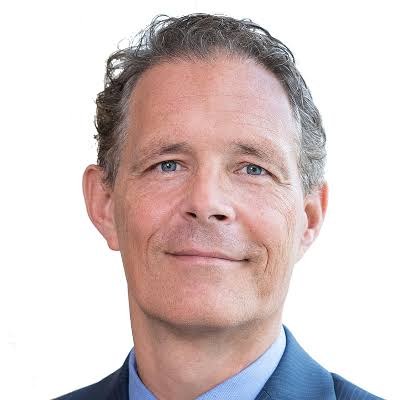
Eric Yeung appears to be a Hong Kong–based precious-metals commentator and market analyst who speaks publicly through interviews and on X. Across the supplied transcripts he repeatedly discusses gold, silver, COMEX/LBMA inventories, Hong Kong’s role in settlement, China’s liquidity conditions, and the macro effects of geopolitics, central banks, and Treasury-market stress. He frames markets through a cross-border, physical-settlement lens and frequently uses charts, inventory data, and policy changes in India, China, and Hong Kong to explain price moves.
Yeung’s recurring economic worldview is strongly macro-monetary and bullion-centric: he sees gold and silver as strategic monetary assets rather than just commodities, believes Western paper markets can diverge from physical supply conditions, and thinks Asian policy and liquidity—especially China, Hong Kong, and India—can drive marginal pricing. He often links precious-metals prices to central-bank liquidity, capital controls, settlement infrastructure, and geopolitical shocks. In his framing, tighter liquidity or import restrictions can suppress prices temporarily, while easing, revaluation, or a shift toward physical settlement could produce much higher gold and silver prices over time.
Every analyzed appearance we have for this speaker, newest first. Open any transcript preview to read the underlying transcript.
Preview:Eric Yeung explains the recent silver price decline (from ~$80 to mid-$50s) as primarily driven by India's May 2026 policy change raising silver import duties from 6% to 15%, causing an ~87% plunge in official silver imports. He sees a likely policy reversal due to revenue losses from smuggling, but notes cross-current risks including the yen carry trade unwinding and a potential AI/tech bubble. He also discusses Hong Kong's new precious metals clearing system (HKPMCC) as China's vehicle to attract foreign gold trading via a possible "southbound gold connect." His base recommendation: dollar-cost average into silver if you own none, but keep dry powder given multiple macro risks.
Preview:Eric Yeung discusses three major themes: (1) Silver's drop from $80s to $50s driven by India's May silver import restrictions — a policy he believes could reverse, pushing silver back to $80s quickly and potentially $100+ if gold breaks out. (2) A new Hong Kong gold clearing system (HKPMCC) with JP Morgan and Deutsche Bank signing on, which he sees as China's serious attempt to create a gold hub with 50-70% physical backing vs the LBMA's ~1%, potentially linked to a future "gold Southbound" channel for mainland Chinese capital. (3) The accelerating adoption of China's CHIPS payment system (RMB cross-border), which jumped ~50% in volume since the Iran war, creating an ecosystem where RMB trade surplus gets parked in physical gold rather than US Treasuries — tying directly into the Hong Kong gold hub's strategic purpose.
Preview:A long interview about China’s growing role in gold markets, possible U.S. gold revaluation, and the idea that liquidity stress is driving recent weakness across assets. Eric Yeung argues China is actively building an offshore gold hub in Hong Kong and redirecting liquidity there, while Francis Hunt frames the broader backdrop as a demand-destruction / liquidity-drain event that keeps pressure on risk assets and may delay any durable metals bottom.
Preview:Eric Yeung argues the recent selloff in gold and silver is mainly a tactical reaction to lower near-term geopolitical risk and a more hawkish Fed backdrop, not a broken precious-metals thesis. He thinks the U.S. may eventually revalue its gold holdings as a liquidity tool, silver is more structurally tight because of industrial demand and supply deficits, and any future market stress is more likely to be managed with liquidity injections than allowed to become a full crash.
Preview:Eric Yeung argues the key market event is the upcoming FOMC under new Fed chair Kevin Warsh, where he expects a hold for now but sees a path toward rate cuts after Warsh changes the inflation lens to trimmed/stripped core PCE. His bigger thesis is that gold and silver are being driven less by nominal yields than by liquidity, Treasury-market control, and real rates, with today’s weak Treasury demand and geopolitical stress setting up a bottom and rebound in precious metals. He goes further and says the most plausible way for the US to regain control of the Treasury market is a revaluation of the Treasury’s gold holdings, paired with gold-linked Treasury bonds.
Preview:The video argues that the gold move is being driven by geopolitical stress, foreign reserve diversification, and a fragile funding system in the bond market. Eric Yeung and the host frame a potential war-related dollar scramble, tighter Gulf liquidity, and rising Treasury yields as reasons gold could stay volatile now but still has upside if the Middle East deteriorates further or if the Fed is forced into easier policy.
Preview:A Silver Trade episode argues that silver’s January crash was largely a forced reset tied to Chinese inventory stress, Western paper shorts, and physical metal flowing east, and that the recent rebound is the start of a much larger move. The guests connect silver demand to solar, EVs, defense, and possible trade bargaining between the U.S. and China, while also extending the bullish case to gold revaluation and central-bank buying. The tone is strongly bullish and highly speculative at points, but the core setup is clear: physical tightness, industrial demand, and geopolitical rivalry are the main drivers.
Preview:Eric Yeung argues China is responding to U.S. sanctions on Chinese refiners by accelerating gold-based trade settlement, which he thinks weakens the dollar system over time. He also claims China’s silver imports, Hong Kong physical gold flows, and rare-earth/silver trade dynamics all point to a broader shift toward hard-asset settlement and away from dollar dependence.
Preview:This interview argues that China is less vulnerable to Middle East oil shocks than commonly assumed, while the real macro risk is the ongoing unraveling of the petrodollar system and the pressure that places on debt markets. Francis Hunt and Eric Yeung both frame the recent move in energy, gold, silver, and EV adoption as part of a broader capital and supply-chain shift toward Asia, especially China, with precious metals likely staying strategically important even if they are temporarily weak.
Preview:Interview with Mario of Maneco64 and Eric Yeung, centered on Yeung’s argument that China is much more energy independent than commonly believed and therefore less exposed than U.S. allies to Middle East supply shocks. He says China’s coal-heavy grid, fast-rising EV adoption, domestic shale and coal resources, and Russian pipeline links all reduce dependence on imported oil and gas. Yeung then connects that energy model to precious metals, arguing that silver is strategically important for EVs and grids, while gold benefits from China’s growing preference for non-U.S. reserve assets.
Preview:Eric Yeung joins Danny of CapitalCosm to discuss the Hormuz Strait crisis and its implications for gold, silver, oil, and the petrodollar. They outline two scenarios: a genuine ceasefire/strait reopening (bullish for gold and silver long-term as RMB oil trade accelerates and surplus RMB gets parked in physical gold) versus a deceptive pause before renewed conflict (a black-swan crash where everything sells off for USD). Yeung argues silver is even more bullish than gold due to post-crisis energy-security spending on EVs and solar, while oil's futures price may be a knee-jerk overreaction disconnected from physical markets and the multi-year timeline to restore production.
Preview:Eric Young argues the Iran war is primarily a geopolitical and monetary fight tied to the dollar system, with gold and silver reacting to disrupted oil flows, RMB settlement, and a potential liquidity squeeze. He is constructive on the metals longer term but warns near-term volatility could still force a sharp washout before prices recover.
Preview:Eric Yeung lays out a phased framework for how the grinding Iran/Hormuz conflict could affect metals. Phase 1: countries sell assets (including gold, silver, bonds) for USD to buy marginal oil — explaining the DXY rally and metals weakness. Phase 2: Gulf states diversify oil proceeds into physical gold as US protection proves unreliable, while sulfuric acid shortages from reduced sour crude constrain base metal refining, potentially benefiting primary silver miners. Phase 3 (worst case): severe sulfuric acid shortages crash copper production, eliminating silver demand for solar/EVs. Phase 4: supply chains reset; gold/silver accelerate as the world loses faith in US Treasuries. He is holding physical gold/silver but not buying more at current levels.
Preview:Eric Yeung and host Danny discuss silver's breakout to $90, framing the March COMEX delivery month as a potential "powder keg" that could push silver above $100. Yeung argues structural supply constraints — China's export controls on refined silver, potential Mexico supply disruption, and insufficient US refining capacity — support a sustained higher price. He also emphasizes geopolitical tailwinds (Iran risk) and recommends physical gold/silver and junior miners at current levels.
Preview:Eric Yeung, guest on CapitalCosm with host Danny, argues that a Chinese billionaire's massive silver short (450 metric tons) — reported by Bloomberg — validates his long-standing thesis that Chinese industrials want silver suppressed to keep input costs low, targeting a 200:1 gold-to-silver ratio. He contrasts this with gold, where he believes all major players (China, US, Europe) now want higher prices. The conversation covers the geopolitics of precious metals supply chains, US vault project initiatives, depleted Shanghai stockpiles, and the inherent tension between China's desire for cheap silver and the inevitability of silver rising alongside gold.
Preview:Eric Yeung argues the gold bull is still early, with gold and silver being driven by a broader shift away from the U.S. dollar system, physical tightness in silver, and possible state-level gold revaluation. He sees silver as more volatile but still structurally supported, while miners are merely consolidating after a sharp run.
Preview:Mario Innecco interviews Eric Young (King Kong 98) about silver's historic breakout above $100/oz on the Shanghai Gold Exchange while Western spot lags near $91. They discuss the persistent East-West arbitrage gap, China's new export controls on physical silver, collapsing LBMA lease rates, and shrinking Shanghai stockpiles. Eric recounts being blocked by his Hong Kong broker (clearing via Citigroup) from buying junior silver miners under $300M market cap — which both interpret as a bullish signal that institutions want to accumulate ahead of a supply crisis. The conversation frames silver as an increasingly strategic asset, with the US Treasury convening finance ministers to secure critical mineral supply chains.
Preview:Eric Yeung joins CapitalCosm's Denny to discuss the persistent Shanghai-London silver arbitrage (~$85 vs $78 spot), China's impending export controls on silver (effective Jan 1, 2026), and the geopolitical decoupling driving a structural repricing of physical commodities. Yeung argues the US no longer has incentive to suppress silver prices for China, that the arbitrage is here to stay, and that higher silver prices are the only sustainable solution for national governments facing physical shortages. He also speculates on the mysterious "AI Asian guy" YouTube network possibly being a Chinese government operation to pump silver to retail.
Preview:Eric Yeung argues that gold and silver are still in an early-to-middle “smart money” accumulation phase, not a retail FOMO phase, and that physical tightness plus potential policy changes could drive another major leg higher into 2026. He repeatedly frames gold above $5,000 as plausible within months and silver above $100 as possible if USD liquidity holds and industrial demand from batteries keeps building.
Preview:Eric Young argues that silver is entering a new monetary role: central banks, BRICS states, and China-linked institutions are increasingly treating physical silver as collateral, while LBMA inventories remain stressed and potentially near zero free float. The interview ties this to broader de-dollarization, alternative payment rails, and a more fragmented global monetary system where gold and silver regain reserve-like functions.
Preview:Eric Young argues that a BRICS-centered collateral system is emerging around physical gold, with silver playing a secondary but potentially important role, while Bitcoin/stablecoins mainly reinforce the US treasury-funded dollar system. He says Western gold/silver price suppression has been run through COMEX, LBMA, and ETFs, but tight physical supply and growing Eastern demand are forcing higher prices.
Preview:Eric Yeung (King Kong on X) joins CapitalCosm host Danny to discuss the COMEX open interest decline in gold and silver, arguing that managed money/CTAs got "rinsed" by rising margin requirements — not a bullion bank short attack. The core thesis: China (via ICBC) leased 100–150 metric tons of silver to JP Morgan/LBMA for 3 months at extreme lease rates (possibly 100–200% per annum), kicking the physical shortage can down the road to December/January when the metal must be returned. China doesn't want the LBMA to fail because it uses London as a funnel to drain physical metal from the West. A potential Section 232 critical mineral declaration by the Trump administration could disrupt this flow. Yeung recommends dollar-cost averaging into gold and silver during the corrective phase.
Preview:This panel argues the recent gold and silver selloff is a tactical buying opportunity inside a larger precious-metals bull market, not a trend break. Francis Hunt frames the move as a normal pullback in a bigger regime shift, while Eric Yeung leans on physical tightness, India buying, LBMA stress, and China’s gold infrastructure buildout to argue the metal is still being drained eastward. Both host and guests also broaden the thesis into a larger trust crisis in fiat, treasuries, and Western financial plumbing.
Preview:Interview with Eric Yeung (King Kong 98) discussing the LBMA silver crisis, Chinese physical silver buying, and gold's macro setup. Yeung argues the LBMA's free float of physical silver has gone to zero, that COMEX outflows are insufficient to rescue it, and that Chinese industrial users and investors are front-running the shortage by taking delivery of physical silver from the SGE. On gold, he connects a Fed paper on gold revaluation, Trump's January call to buy gold, and Jamie Dimon's recent $5,000–$10,000 gold comments into a thesis that the US Treasury could revalue its gold holdings to retire foreign-held long-duration debt.
Preview:Eric Yeung presents a thesis that Chinese commercial banks are systematically accumulating physical gold at the Shanghai Futures Exchange in preparation for launching a gold-backed collateral system for offshore interbank lending and commerce, bypassing US Treasuries. He argues this is part of a broader BRICS de-dollarization effort, that the US is aware and has responded by draining LBMA gold and considering a gold revaluation as "Plan B," and that gold, silver, platinum, and miners are in the early stages of a massive institutional rotation.
Preview:Eric Yeung lays out a speculative but detailed thesis: China is building an offshore RMB repo market collateralized by gold warrants from the Shanghai Gold Exchange (SGE), potentially displacing US Treasuries as the dominant repo collateral. He points to a sharp rise in SGE gold warrant levels from ~4 to ~40 metric tons in 2025, coinciding with two events — the February launch of an RMB repo facility and the June announcement of offshore SGE vaults in Hong Kong. If validated, this would increase the "use case" for physical gold, reduce demand for US Treasuries as collateral, and potentially drive gold prices higher over time.
Preview:A wide-ranging interview with Francis Hunt (The Market Sniper) and Eric Yeung covering the gold/silver breakout, historic shift of global south central banks from US Treasuries into physical gold, and why this is the early stage of a structural precious metals bull market. Key themes: India reducing Treasury holdings after Trump tariffs, BRICS acceleration, gold's parabolic convexity curve vs. debt debasement, miner margin expansion from falling energy costs, and counterparty risk.
Preview:Eric Yeung (King Kong 98) joins maneco64 to argue that the "dollar milkshake" era is ending as central banks — led by India — shift reserves from US Treasuries into physical gold. He sees the recent gold/silver breakout as driven not by tariff confusion but by this sovereign reserve rotation, and maps the current setup to the 1970s Nifty Fifty era where gold and miners rallied even as equities corrected. His core tactical advice: hold quality miners through volatility because the sector is historically under-owned, trades below NAV, and could see 6× capital inflows.
Preview:Eric Young argues that gold and silver are being remonetized as strategic assets, with the U.S., China, Saudi Arabia, Vietnam, and others all showing signs of competing for physical metal. He sees the silver critical-mineral designation, China’s offshore vault plans, a large GLD block trade, and new gold access in China/Vietnam as connected symptoms of a bigger shift away from a dollar-centered system.
Preview:Eric Yeung (KingKong9888) makes a bullish case for gold, silver, and mining stocks, driven by record M2 money supply, sustained high physical metal inventories at COMEX that aren't recirculating, elevated gold lease rates, and a historic 45-year cup-and-handle pattern in silver approaching a potential breakout above $36. He argues the miners have begun a powerful catch-up rally with significant runway remaining.
Preview:Eric Yeung (King Kong 98) and host Mario (maneco64) discuss unprecedented physical metal accumulation at COMEX vaults despite ongoing withdrawals, arguing this signals insider front-running ahead of a major precious metals event. They examine an FT article that inadvertently vindicates gold-bug critiques of LBMA opacity, the ECB's financial stability warning about gold markets, and the persistent high level of COMEX inventories. Yeung speculates that connected parties — possibly Berkshire Hathaway or US Treasury proxies — are front-running an unknown catalyst within 6-18 months. Near-term, he expects a gold/silver dip on Trump-Putin summit headlines followed by a bounce once markets realize nothing material changed.
Preview:Francis Hunt flips from bullish to tactically bearish on gold, arguing the metal may face a sharp pullback or “demand destroying event” in August–September, even though he remains macro-bullish long term. Eric Yeung agrees a selloff is possible but sees it as more likely to be a liquidity-driven flush within an ongoing precious-metals bull market, not a top.
Preview:Eric Yeung (King Kong 98) joins Maneco64 to argue that the LBMA/COMEX EFP (Exchange for Physical) basis trade is breaking down, creating a "doom loop" that will force sharply higher gold and silver prices. He presents three data points: silver lease rates in London surging to 6%, the EFP spread widening to a $1/oz New York premium (widest since 2020), and TD Securities reporting London's silver free float at a record-low 155 million ounces. The climax: banks dumped 483 million ounces of paper silver in one hour (~57% of annual global mining supply) but the short is now underwater, and zero SLV shares were available to borrow — suggesting the physical cupboard is bare. A sponsor segment for Gold Mining Inc. (GLDG) is embedded mid-transcript.
Preview:Eric Yeung joins CapitalCosm host Danny to argue that silver is experiencing a critical physical supply squeeze, evidenced by spiking LBMA lease rates (from near 0% to 6% in ~10 days), widening EFP spreads showing NY trading at a $1 premium over London, and SLV vaults being drained. Yeung frames this as a symptom of deglobalization — the US and BRICS are both hoarding strategic metals — and warns Trump's proposed tariffs on silver/copper would lock US supply inside borders, adding inflationary pressure. He is also bullish on platinum, seeing a mean reversion toward 1:1 parity with gold, and expects the Fed to be forced into aggressive rate cuts as US debt hits $37.1T with ~$1T/year in interest.
Preview:Eric Yeung makes the case that COMEX gold and silver open interest has collapsed to near 1:1 backing by physical metal — a historic shift from the typical 5-7:1 paper-to-physical ratio. He argues this means the concentrated short positions have been lifted, bullion banks are well-covered and positioned to benefit from rising prices, and the US is preparing for a Treasury gold revaluation. He also makes a bold call that platinum will catch up to gold in nominal price, driven by Chinese jewelry demand and extreme supply scarcity.
Preview:Eric Yeung joins maneco64 to argue that gold is definitively not in a bubble — it's in the early stages of a monetary reset led by China. He details three concrete Chinese policy moves in 2025: the gold accumulation program linking commercial banks to the Shanghai Gold Exchange, insurance companies being allowed to buy physical gold (potentially ~300 tonnes/year at 1% AUM), and SGE establishing offshore gold vaults to assure trading partners their RMB can convert to physical gold. Technical charts show a multi-decade teacup-and-handle breakout on gold. Sentiment in Hong Kong remains overwhelmingly anti-gold ("milkshake simpletons"), which Eric uses as a contrarian bullish indicator. Both speakers see gold miners as deeply undervalued, priced as if gold were at $2,000, with juniors still moving sideways and offering significant upside.
Preview:Eric Yeung argues that the key signal in gold is China: rising Shanghai premiums, ETF inflows, bank accumulation, and recycling-channel distortions suggest physical demand is building even if the spot price is still consolidating around $3,300. He also says U.S.-China tariff pressure is pushing Chinese firms to de-risk from U.S. customers and helping accelerate a broader shift toward gold and non-dollar trade.
Preview:Eric Young (King Kong) and host Mario discuss China's accelerating moves toward a gold-backed international monetary system. Key developments: the PBOC plans offshore gold storage vaults to let trade partners convert yuan into physical gold locally, cross-border yuan usage hits records, and China is reportedly buying massive amounts of physical gold. Both see gold's bull market as structural — driven by collapsing trust in US Treasuries, trade-war flip-flopping, and a Bretton Woods-style realignment where the US and China sit at the table with the most gold.
Preview:Eric Yeung (aka King Kong 98) explains his "diabolical flowchart" of how the LBMA, COMEX, and gold/silver ETFs are interconnected via Exchange for Physical (EFP) mechanisms, allowing bullion banks to suppress precious metal prices using paper promises. He argues the system is now breaking down as LBMA delivery delays widen the EFP spread against COMEX, creating a "doom loop" where insiders drain physical metal from London to deliver against COMEX shorts. He also shares a personal story about his grandfather's banking philosophy of self-reliance and 1:1 gold backing during China's hyperinflation.
Preview:Eric Yeung (guest) and Danny (host, CapitalCosm) walk through the "EFP doom loop" driving gold and silver breakouts. Yeung argues that massive US physical demand at the COMEX has reversed the traditional COMEX-LBMA arbitrage, forcing bullion banks into loss-making short positions they cannot easily cover. He details LBMA vault drain, PSLV shorting as a deliberate tactic to block new silver bar accumulation, and adds a bullish demand catalyst: China's approval of insurance companies to buy physical gold, which BofA estimates could add 300 metric tons annually.
Preview:Eric Yeung (King Kong 98 on X) argues that the recent unprecedented shorting of PSLV shares is a deliberate tactic by bullion banks to suppress the ETF's ability to buy physical silver. He explains that PSLV's prospectus prevents the borrowing-then-redeeming arbitrage that works with SLV/GLD, so banks short the shares to neutralize net buying. He cites Robert Goip's data showing LBMA free-float silver has fallen to ~247M troy ounces (under 7,670 metric tons), being drained at ~1,000 tons/month — leaving roughly seven months of inventory at current rates. His core thesis: the US government is repatriating gold via bullion bank proxies, silver is "tagging along," and the shorting is a desperate attempt to keep physical silver from being siphoned away before the public catches on.
Preview:Eric Yeung (King Kong 98) lays out a detailed thesis that the US Treasury is preparing to revalue its 8,133 metric tons of gold from the legacy $42.22/oz to a market price (~$3,500–$6,000/oz), recapitalizing the government via a gold-certificate mechanism with the Federal Reserve. He argues the mechanics are validated by language in Senator Lummis's recent Bitcoin reserve bill, that the massive gold inflows into the US are about recalling leased gold ahead of an audit, and that zero-coupon gold-backed bonds would help stabilize US external debt. The endgame: gold prices find a defended floor at the revaluation level then overshoot dramatically to $5,000–$10,000, making gold, silver, and especially miners a generational opportunity.
Others tracked across the same asset focus or market thesis.
Unlock every transcript this speaker appears in, compare them with your other followed voices, and ask the agent for the bull, bear, and consensus read in one workspace.
Type a question. Create a free agent to send it and keep the answer linked to this speaker.
Your question is preserved across sign-in.
Free. No card. Takes about a minute.