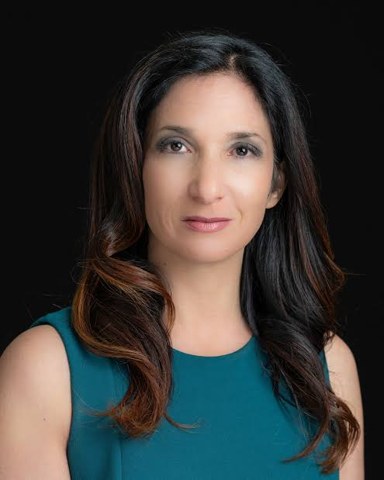
founded and leads ITM Trading, a precious-metals company
Preview how this speaker shows up across market transcripts. Unlock the full archive, AI chat, and the version personalized to your watchlist, followed channels, and favorite speakers.
Eric Griffin appears as a host/representative of ITM Trading, speaking in a recurring educational-sales format about monetary instability, precious metals, and systemic risk. Across the supplied transcripts he consistently frames current events through a macro-financial collapse lens, using a conversational style with Taylor to explain inflation, reserve-currency decline, debt growth, cyber risk, and the implications for household savings. He presents himself as an advocate for physical gold and silver as protective assets, and as someone who interprets headlines as part of a larger pattern rather than isolated events.
His recurring economic worldview is strongly bearish on fiat currency systems and the Federal Reserve. He repeatedly argues that money printing is the root cause of inflation, that official inflation measures understate real living-cost increases, and that rising global debt, reserve-currency erosion, CBDCs, digital ID, and cyber vulnerabilities are all signs of a broader monetary reset. He expects the dollar’s dominance to keep weakening, with gold and silver serving as safer stores of value during currency instability. He also often extends the thesis into a broader social-control narrative, suggesting AI, UBI, and digital systems could increase dependency and reduce ownership and autonomy.
Every analyzed appearance we have for this speaker, newest first. Open any transcript preview to read the underlying transcript.
Preview:Two ITM Trading hosts argue that U.S. hyperinflation is a question of "when, not if," driven by accelerating fiscal deficits — 65% of monthly borrowing now goes to interest — and the ongoing decline of dollar reserve status. They frame gold and silver as essential wealth protection, not a trade, and discourage timing purchases, selling into rallies, or using ETFs for anything beyond short-term price speculation. Central bank gold accumulation, BRICS de-dollarization, and the structural impossibility of catching up on debt service are their core evidence. They pitch their firm's advisory services and an upcoming webinar throughout.
Preview:Two hosts argue that official inflation understates the real cost-of-living squeeze and use that as the setup for a broader thesis: the U.S. is heading toward a currency reset, and gold/silver are the only reliable defenses. They connect rising sovereign debt, food and beef inflation, and geopolitical supply chokepoints to a future where cash and paper assets are impaired.
Preview:A live Q&A from ITM Trading centered on gold, silver, banking risk, and the idea of a future currency reset. The speakers argue that gold and silver remain the core protection assets, that bank deposits have structural risk beyond FDIC limits, and that a weaker dollar and rising sovereign stress support precious metals over time.
Preview:A gold-bullish, crisis-oriented discussion arguing that global conflict, money printing, and elite financial extraction are accelerating toward inflation, social stress, and a potential currency reset. The speakers repeatedly urge viewers to stay informed, prepare outside the system, and accumulate gold/silver rather than trying to time the move.
Preview:A casual Q&A episode centered on the petrodollar, gold, debt, inflation, AI disruption, and CBDCs. The speakers argue that de-dollarization and war-related spending could weaken dollar demand, intensify inflationary pressure, and accelerate a broader currency reset.
Preview:The hosts argue that gold’s pullback is a paper-market liquidity/trading event rather than a collapse in the physical-gold thesis. They frame the backdrop as worsening sovereign debt, rising geopolitical uncertainty, central-bank accumulation, and a long-term move toward monetary debasement and cashless control.
Preview:The video is a gold-and-silver promo framed around a recent cyberattack that allegedly wiped a company employee’s phone and data, which the speakers use to argue that digital assets, bank deposits, and even modern infrastructure are vulnerable. They connect that fear to their long-running thesis: hold physical gold and silver because the financial system can be hacked, closed, or reset.
Preview:A casual gold-and-silver discussion centers on AI as a possible accelerant for job displacement, asset concentration, and a broader shift from ownership to access. The speakers argue that gold and silver remain a practical hedge against a future where income, housing, and autonomy could be constrained by AI-driven social and economic changes.
Preview:A gold-and-silver-focused discussion centered on confiscation risk, rising distrust of U.S. debt and cash access, and fears that incremental policy changes are pushing toward tighter financial control. The speakers frame China’s Treasury guidance, state gold depository/debit-card proposals, and bank cash-withdrawal scrutiny as signs of a broader move away from dollar dominance and toward more centralized control.
Preview:The hosts argue that gold and silver are not in a short-term trading phase but in a monetary-reset phase. Their core message is to stop focusing on day-to-day price moves, avoid selling metal for consumption or lifestyle spending, and think in terms of wealth preservation as trust in fiat, institutions, and the dollar erodes.
Preview:This is a gold-and-silver bull discussion centered on rising physical demand, accelerating prices, and fears that a broader monetary reset is getting closer. The speakers argue that the dollar is weakening, inflation remains underreported versus lived experience, and a combination of debt stress, Treasury market strain, commercial real estate defaults, and shifting global reserve arrangements could trigger the next major inflection.
Preview:The hosts frame 2025 as a year of accelerating monetary stress, with debt, purchasing-power erosion, and the surge in gold and silver presented as evidence that the system is under strain. They argue that BRICS, central-bank gold buying, and the 2022 dollar weaponization against Russia have changed global reserve behavior, while also saying the collapse they expect has not yet arrived. The episode is part market recap, part community milestone, and part year-end reflection, with a lot of emphasis on hope, team, and audience growth.
Preview:The hosts argue that the Fed’s announced end to QT marks the start of a broader easing cycle that will be inflationary and supportive of gold. They frame higher debt issuance, central bank buying, and a potential future CBDC or confiscation risk as reasons to own gold — especially pre-1933 coins — and to treat silver more as a barter asset.
Preview:A special 30th-anniversary episode of ITM Trading's "Gold Rush Hour" featuring the founder (father of current host Eric) who started the gold/silver dealership in 1995. He recounts the early days building the business from a $252 gold bear market, the role of radio in reaching clients, and a personal story about how a chance encounter at Alpha Graphics convinced him he was on the right path. The core thesis: US debt at $38 trillion is unsustainable, gold is essential portfolio insurance, and we are "much closer" to a major reset. He advises short-term cash holders not to buy gold, but for those with runway, gold is the only asset you'd want to pass to grandchildren 100 years from now. References Richard Russell (Dow Theory Letters) and Jeffrey Gundlach (25% gold position recommendation) as validation.
Preview:Two ITM Trading hosts discuss why the Fed must cut rates to bail out the commercial real estate sector, framing the entire system as "extend and pretend." They argue gold is real money that protects against currency debasement, with a "fundamental value" over $13,000/oz, making $3,800 gold cheap. The conversation links rate cuts, money printing, stagflation risk, and the case for physical gold ownership, with a strong sales pitch for ITM's own gold products.
Preview:Two hosts discuss viewer questions about a potential US "silent default" via stablecoin devaluation, the gold thesis, and practical precious metals allocation. They argue the US could revalue stablecoin backing from $1 to less, effectively defaulting on dollar-denominated debt and triggering a rush into gold. They advise holding physical gold long-term, differentiate barter silver from wealth-preservation gold coins, and caution against selling gold prematurely despite the recent ~10% rally from $3,350 to near $3,700.
Preview:Two ITM Trading hosts celebrate a channel milestone and gold's new all-time high ($3,565), framing the move as still early relative to where gold "should" be. The core thesis: relentless US debt growth (now ~$550B/month) and the dollar's structural decline will push gold far higher, making it not a price-appreciation trade but wealth insurance. They argue gold is real money — exchanging depreciating dollars for gold preserves purchasing power — and that central banks now hold more gold than US Treasuries for the first time since 1996. The conversation is part victory lap, part motivational rally for viewers to buy gold before a coming monetary reset and hyperinflationary phase.
Preview:A conversational episode of ITM Trading's "Gold Rush Hour" where the two co-hosts discuss US debt sustainability, the shifting buyer base for Treasuries, the dollar's reserve currency status, and the growing possibility of an official gold revaluation. The core thesis: the fiscal trajectory is unsustainable, central banks are diversifying into gold, and individuals should own physical gold and silver before a systemic break or revaluation event occurs.
Preview:A lighthearted Gold Rush Hour episode where Taylor and Daniel discuss Taylor's viral video on the US Treasury's $100B emergency 4-week bond issuance, the Fed researching gold revaluation as a potential debt solution, and central bank gold buying. The conversation weaves in personal anecdotes about growing up rural in Oregon, childhood entrepreneurship, and collecting hobbies. The core market thesis: the US is using emergency debt tools in a non-emergency context, signaling escalating fiscal stress that benefits gold.
Preview:Two hosts of ITM Trading's "Gold Rush Hour" argue that private equity firms are systematically buying single-family homes (now ~30% of purchases) to create "a nation of renters," framing it as part of Agenda 2030's "you will own nothing and be happy." They extend the critique to PE-owned businesses, comparing collateralized loan obligations (CLOs) to pre-2008 CDOs, and warn of hidden risks in retirement accounts. The conversation links these trends to money printing, dollar debasement, and an eventual "reset" — positioning gold and silver ownership as the essential hedge for independence and wealth preservation.
Preview:Lynette Zang and Daniela Cambone-Taub of ITM Trading discuss the concept of a currency reset (process vs. event), how to use physical gold/silver after a hypothetical reset, and a little-covered bank failure in Lindsay, Oklahoma where uninsured depositors lost everything above $250K. They contrast this with the full bailout of SVB depositors. The conversation touches on gold price targets ($4,000 near-term, $10,000+ long-term, fundamental value above $13,000), prepping basics, and conference takeaways from the Rick Rule event.
Preview:Lynette Zang and Eric Griffin of ITM Trading host a rapid-fire Q&A session answering their viewers' most common questions. The core thesis is straightforward: gold and silver are essential insurance policies against an inevitable monetary reset, and the time to buy is now — not later. They argue gold is dramatically undervalued (fundamental value ~$13,000/oz, hyperinflation estimates ~$50,000/oz), physical ownership is the only legitimate form, and waiting for the "right moment" is a mistake. The conversation covers gold vs. real estate, how much to allocate (minimum 10%), why ETFs are inferior, the likelihood of bank bail-ins vs. bailouts, potential gold revaluation/confiscation, and whether the US returns to a gold standard (they think not, favoring CBDCs instead). The tone is conversational and aimed at easing viewer hesitation rather than presenting new analysis.
Preview:A co-hosted discussion framing the push toward a cashless society as a deliberate IMF-orchestrated strategy to enable negative interest rates and CBDCs — ultimately total central-planning control. The speakers argue gold (especially pre-1933 graded coins) is the critical escape route, tie Basel III's July 1 gold reclassification to a broader monetary reset, and position awareness plus personal gold ownership as the only practical response.
Preview:Two hosts from ITM Trading — Lynette Zang and a male co-host — respond to viewer questions in their weekly "Gold Rush Hour" series. The conversation centers on how to use physical gold and silver to preserve wealth through a coming fiat currency reset, including practical storage advice, the role of different denominations, and the argument that gold's rising price is self-justifying via supply and demand. A Venezuelan bolívar note serves as a prop illustrating fiat currency collapse.
Preview:Two hosts from ITM Trading record a "Gold Rush Hour" episode while driving, discussing the FOMC's decision to hold rates steady, the accelerating global move away from the US dollar, and why gold and silver are essential insurance — not investments — against a coming currency reset. They argue that central bank gold buying (led by Poland), dollar weaponization via sanctions/tariffs, and relentless money printing make a dollar crisis inevitable. The conversation covers inflation dynamics, how a currency reset affects debt (both national and personal), bank bail-in risks, and why physical gold and silver held outside the system are the only reliable protection.
Preview:The video argues that the U.S. dollar is in the late stage of a fiat-currency cycle and that gold is the main protection against an eventual reset. The conversation relies on historical analogies, especially Mexico’s 1990s peso reset, to suggest that default, devaluation, or managed revaluation is more likely than a clean continuation of the current system.
Preview:A casual drive-and-talk between ITM Trading's CEO Daniel (addressed as "Eric"??) and co-host Taylor about inflation, gold, and real estate. The core thesis: inflation is accelerating by design as a hidden tax, hyperinflation will trigger a currency reset, and gold is the insurance policy that protects all other assets — especially as real estate will tank during hyperinflation while gold surges, creating a wealth-transfer opportunity.
Preview:A casual "Gold Rush Hour" driving-segment conversation between ITM Trading's Lynette Zang and host Taylor. They discuss gold crossing $3,000, framing it as a psychological threshold that reflects underlying monetary decay, inflation persistence, and Fed inaction on rate cuts. Zang argues gold's "fundamental value" is ~$13,000/oz based on debt levels, that premiums on pre-1933 gold coins are at historic lows, and that buying now is still attractive. The conversation pivots to ECB plans to mobilize citizens' "unused savings," the digital euro launching October 2025, and concerns this is a blueprint for the US. They close discussing David Webb's "The Great Taking" and the need for collective action against the illusion of asset ownership.
Preview:Two ITM Trading hosts have a candid driving conversation about gold, silver, and the accelerating "currency reset." They argue the fiat system is a Jenga tower of threats (debt, commercial real estate, bank losses, geopolitics) and that gold's sudden mainstream prominence — Fort Knox audit talk, London shortages, White House mentions — signals insiders know something. Their core framework: silver for barter (pre-1965 junk, Eagles), gold for wealth preservation across the reset (pre-1933 coins for confiscation protection and premium upside). Historical hyperinflation cases (Weimar Germany) are cited to show gold multiplies purchasing power while silver merely preserves it. The conversation is informal, with no precise timing predictions — just urgency to prepare now.
Others tracked across the same asset focus or market thesis.
Unlock every transcript this speaker appears in, compare them with your other followed voices, and ask the agent for the bull, bear, and consensus read in one workspace.
Type a question. Create a free agent to send it and keep the answer linked to this speaker.
Your question is preserved across sign-in.
Free. No card. Takes about a minute.