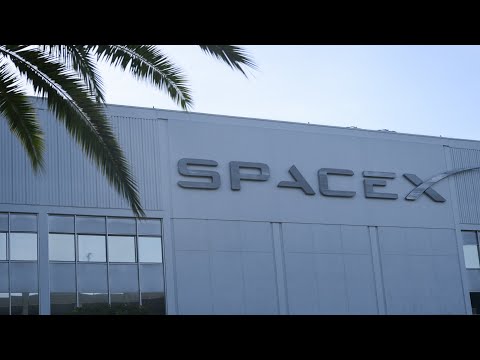
Bloomberg’s The Pulse focused on three intertwined market stories: escalating U.S.-Iran hostilities, strong demand for the SpaceX IPO, and the market’s response to a likely ECB hike. The guests argued that the Iran shock is feeding higher energy prices and a more cautious tone, while still not yet breaking supply chains in a major way. On the equity side, SpaceX’s deal was described as very large and healthy, though the real test will be post-pricing absorption and lockup volatility.
Watch on YouTube ›Get the market thesis, key claims, assets, contradictions, and follow-up questions from any financial video — then unlock a version personalized to your portfolio, watchlist, and favorite speakers.
This episode was a fast-moving market wrap built around geopolitics, IPO demand, and central-bank repricing. Francine Lacqua opened with the headline risk: the U.S. carried out strikes against Iran for a second straight day, and the segment framed the cease-fire as effectively broken. The discussion repeatedly returned to the idea that the conflict is no longer just a headline risk, but a broader source of supply-chain and inflation pressure, especially through energy and shipping. Later segments tied that same macro stress to the ECB, which was expected to raise rates for the first time in almost three years because inflation had moved up even as growth indicators softened. On Iran, the commentary from the guest framed the situation as “all but collapsed” in terms of the cease-fire, with negotiations still nominally underway and Qatar and Pakistan mentioned as mediators. …
Near term, the setup is risk-off but not panic: Iran headlines, ECB policy, and IPO supply can all raise volatility, so positioning favors liquidity, front-end yield, and caution around crowded momentum trades.
Over the next several months, the base case is a choppy market that can still climb the wall of worry if earnings hold up and inflation doesn’t reaccelerate too sharply; confirmation will come from whether AI and capex translate into real revenue growth.
Structurally, the transcript argues for a world increasingly shaped by strategic security, energy resilience, AI-driven capital investment, and long-duration industrial themes, with Europe’s competitiveness gap and gold/dollar diversification as enduring side stories.
The cease-fire with Iran is effectively broken and the conflict has entered a second straight day of hostilities.
The opening interview and follow-up comments directly state that the cease-fire is all but collapsed and that strikes continued for a second day.
The Strait of Hormuz remains constrained enough to be a live market risk, though shipments have not fully stopped.
The guest said the strait remains 'shot' but that there is still a trickle of shipments, implying partial rather than total disruption.
SpaceX IPO demand is strong but not necessarily exceptional for a deal of this size, with retail likely more oversubscribed than institutions.
Matt Bloxham distinguishes between headline oversubscription and what is normal for a massive offering, and expects a retail/institutional split.
Has the cease-fire between the U.S. and Iran effectively collapsed?
The guest says it is all but collapsed, pointing to a second straight day of hostilities between the U.S. and Iran and ongoing fragility in the truce. He adds that negotiations are still underway and that the Strait of Hormuz remains shut.
How strong is demand for the SpaceX IPO?
The guest says demand looks good if the deal is four or five times oversubscribed, though he notes the data he sees is only around what would be expected. He suggests retail may be more oversubscribed than institutional investors.
What is driving Oracle's premarket selloff?
He says revenue growth is solid but not ahead of market expectations, especially for fiscal 2027. He also points to rising investment spending, which may be disappointing investors because the expected payoff is not visible yet.
Unlock the full claims, asset map, scores, related transcripts, follow-up questions, and AI chat — shaped around your portfolio, watchlist, favorite speakers, and risks.