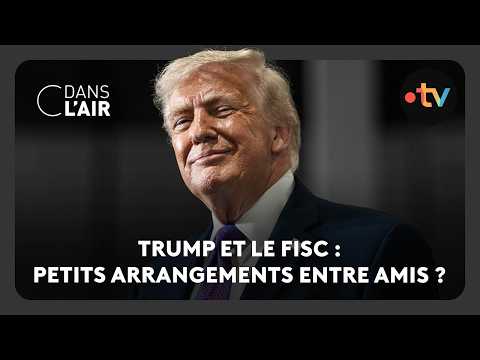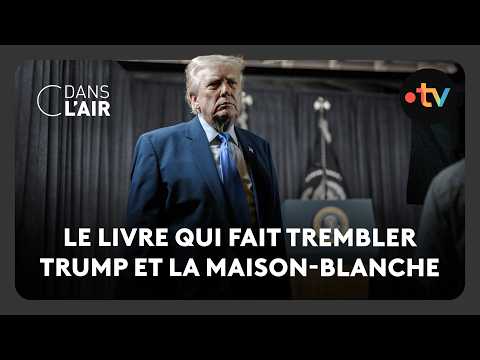
This is a French TV panel on the explosive upcoming book about Trump’s second presidency. The guests argue that the book’s extreme verbatim detail suggests a leak or recording inside the White House, but they also stress that Trump himself has normalized rule-breaking and personal disclosures, so the broader story is not just the book’s content but the system around him: constant talking, factionalism, succession maneuvering, and the Epstein backlash.
Watch on YouTube ›Get the market thesis, key claims, assets, contradictions, and follow-up questions from any financial video — then unlock a version personalized to your portfolio, watchlist, and favorite speakers.
The central thesis of the segment is that the forthcoming book about Donald Trump is politically damaging less because it contains gossip than because it appears to reproduce private conversations almost word-for-word, raising questions about leaks, recordings, and White House security culture. The panel repeatedly returns to the idea that the administration’s panic is self-inflicted: Trump and his circle have built a world in which everyone talks constantly, nobody is truly discreet, and the boundaries between personal drama, political strategy, and state business are blurred. Several guests argue that there may not need to be a single “mole.” Vincent Hugeux says the precision of the quotations suggests either extraordinary amateurism or a deliberate attempt to harm Trump by exposing his plans and image problems. …
Tactically, the book and its excerpts are a near-term embarrassment for Trump and a live catalyst for more headlines, but the panel does not expect a rapid political break unless another leak or document dump lands. The key short-term risk is renewed scrutiny of Epstein-related material and White House infighting.
Over the next few months, the likelier path is slow erosion rather than collapse: more excerpts, more factional hedging, and more visibility into succession jockeying around Vance, Rubio, and Trump’s family. The story turns meaningfully more dangerous for Trump if the Epstein narrative keeps widening and enough allies start distancing themselves.
Structurally, the video portrays Trumpism as a personality-based regime with weak institutional guardrails, where loyalty, family succession, and media theater matter more than policy discipline. The long-run implication is a more monarchy-like political order inside one party, alongside a lasting weakening of norms around secrecy, executive behavior, and alliance management.
Donald Trump attempted to suppress the release of Epstein-related documents and his administration panicked about the political fallout.
The transcript describes a secret Situation Room meeting of top Trump advisers to find a way to manage the political crisis around Epstein documents.
The verbatim-level precision of leaked Situation Room conversations in the new book means someone must have either audio-recorded or promptly detailed those discussions to journalists.
Speaker argues that the exactness of quotes leaves only two possibilities: someone leaked detailed accounts shortly after meetings, or they were audio-recorded.
J.D. Vance cannot rely on betraying Trump as a vector for his political future.
V.Hugeux argues that Vance has too much to be forgiven for and his past servility makes betrayal an implausible path.
Why does the upcoming book cause so much panic in the White House?
Vincent Hugeux says the panic comes from the suspicion that the book contains verbatim conversations from the Situation Room, suggesting someone may have leaked or recorded sensitive exchanges. Nicole Bacharan adds that if the dialogues are exact, then someone must have recounted them or recorded them soon after the fact.
Is there a mole in the White House, or could this be a conspiracy against Trump?
Alain Bauer argues there may be no need for a mole because Trump’s entourage constantly leaks personal information. Bernard Barnier says Trump cannot credibly accuse others of violating secrecy because he has repeatedly mishandled classified material himself.
What exactly do the transcripts in the Situation Room suggest?
Bernard Barnier says the exact transcripts make the story more plausible, but also ridiculous in a way, because Trump himself has routinely broken secrecy norms and mishandled sensitive material. The example she gives is that he took secret files to Mar-a-Lago and publicly shared screenshots of his NATO exchange.
Unlock the full claims, asset map, scores, related transcripts, follow-up questions, and AI chat — shaped around your portfolio, watchlist, favorite speakers, and risks.