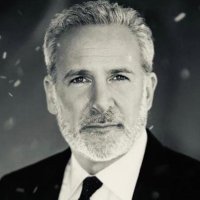
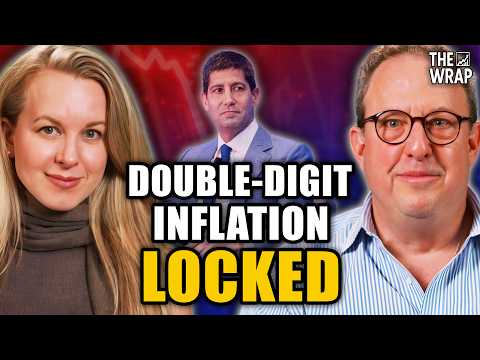
Peter Schiff argues the market is in the late stage of a debt/inflation bubble: crypto and other risk assets are weakening, the bond market is vulnerable, and the Fed will ultimately choose inflation over the painful adjustments needed to stop it. He says higher long rates, rising interest expense, Japan’s debt stress, and a weaker dollar all point toward a repricing of U.S. assets and a much stronger gold/commodity complex.
Watch on YouTube ›Get the market thesis, key claims, assets, contradictions, and follow-up questions from any financial video — then unlock a version personalized to your portfolio, watchlist, and favorite speakers.
This was a classic Peter Schiff macro interview built around one core thesis: the U.S. and global financial system are approaching an “endgame” in which excess debt, persistent inflation, and rising rates force a major repricing of assets. Schiff says the bubble is already beginning to deflate, with crypto leading the decline and other risk assets showing fading momentum. He ties that weakness to a bond market that he thinks is too complacent about inflation and rates, and to a Federal Reserve that will eventually back away from tough talk and choose inflation once political and economic pressure intensify. A major part of his argument is that the Fed cannot credibly solve inflation without causing severe damage to equities, real estate, employment, and government finances. …
Tactically, the setup favors caution on risk assets and attention to bond yields: Schiff sees crypto weakness, fragile credit, and rising long rates as the immediate pressure points. Gold is not a clean near-term sell to him despite the pullback, while a stronger dollar or lower yields would be the main tactical challenge to his view.
Over the next few months, his base case is that inflation and debt-service pressure keep building until the Fed and bond market are forced to reprice expectations higher. That would likely keep pressure on stocks in real terms while supporting gold, silver, commodities, and foreign assets.
Structurally, Schiff’s thesis is that the dollar-centric reserve system is eroding under the weight of debt monetization and fiscal overreach. If he is right, the durable winners are hard assets and non-U.S. claims on real goods, while U.S. financial assets face persistent relative repricing.
Government interest expense is growing unsustainably and will eventually consume all tax revenue.
The speaker cites a 44% year-over-year increase in interest expense and forecasts continuous growth until all tax revenue is precommitted to debt service.
The yen's problems are not contained to Japan — all over-indebted countries with printing presses will face a reckoning, and the dollar is next.
Speaker draws a historical analogy to subprime containment narrative, arguing yen crisis will spread to dollar.
Japan's debt crisis would push up US interest rates indirectly and could cause Japan to sell over a trillion dollars of US Treasuries.
If Japan needs to pay down debt, they could sell US Treasuries; this would disrupt US bond markets and push rates higher.
What is your big picture view of where we are in the economy and markets today, given the new Fed leadership and the Iran deal MOU?
Peter says the air is coming out of the bubble, especially visible in crypto and Bitcoin leading the decline. He thinks the MicroStrategy/preferred stock house of cards is collapsing in real time. Markets are too complacent about rising inflation and interest rates. He doubts rate hikes will be sufficient and notes people aren't paying attention to Japan, where a crisis could erupt first with big implications for the US.
What do you make of Fed Chair Worsh's comment that 'inflation is a choice'?
Peter agrees inflation is a choice — Greenspan, Bernanke, Yellen, and Powell all chose it. The Fed creates inflation by choice through expanding the money supply and keeping rates artificially low. The alternative (disinflation) would mean a big decline in stocks, real estate, bonds, a severe recession, and forcing the government to cut spending or raise taxes on the middle class. Peter believes Worsh will ultimately choose inflation when pressured, just like every predecessor.
What do you make of the bond market backing up? Are rates already hiking themselves for the Fed?
Peter says bonds are getting ready for another breakdown — meaning another move up in rates. Despite oil pulling back from ~$100 to ~$75, long-term rates have only fallen slightly. He expects the 10-year to break above 4.5% and move toward 5%, with the 30-year moving to 5-6%. The bond market is very weak and another leg down is coming.
Unlock the full claims, asset map, scores, related transcripts, follow-up questions, and AI chat — shaped around your portfolio, watchlist, favorite speakers, and risks.