Pento’s recurring economic worldview is strongly anti-central-bank and monetarist/deflationary in structure: he argues that the Fed’s repeated expansion of base money, rate…
📈 See how Michael Pento's thesis changed over time →Preview how this speaker shows up across market transcripts. Unlock the full archive, AI chat, and the version personalized to your watchlist, followed channels, and favorite speakers.
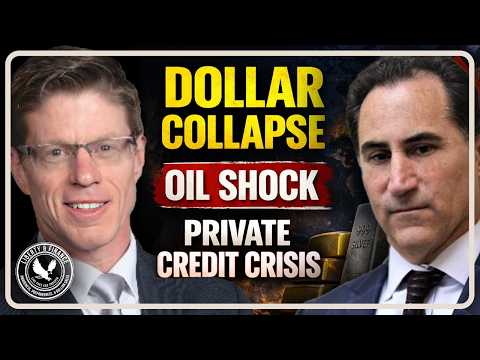
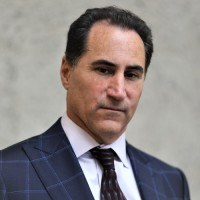
Michael Pento is an active money manager and the founder/president of Pento Portfolio Strategies. In the supplied material, he presents as a macro-focused market commentator whose core lens is monetary conditions, credit, and asset bubbles rather than company-specific investing. He repeatedly frames markets through recession risk, real interest rates, debt expansion, Fed balance-sheet policy, and the effects of money printing on asset prices and wealth distribution. He also appears frequently in precious-metals media and is closely associated with gold/silver commentary, though his views distinguish between gold and silver at times.
Pento’s recurring economic worldview is strongly anti-central-bank and monetarist/deflationary in structure: he argues that the Fed’s repeated expansion of base money, rate suppression, and crisis backstops inflate stocks, housing, and credit while eroding middle-class purchasing power. He sees the U.S. as having multiple simultaneous bubbles — credit, real estate, and equities — sustained by easy money. His preferred framework is that gold benefits from falling nominal and real interest rates, especially in recessionary or liquidity-stress environments, while silver is more mixed because it is partly an industrial metal. He often expects recession, disinflation or deflation pressures for consumers, a weaker labor market, and eventual renewed money printing as the policy response. He is also skeptical of the idea that gold is simply an inflation hedge, emphasizing instead that falling real yields and monetary stress matter more.
Every analyzed appearance we have for this speaker, newest first. Open any transcript preview to read the underlying transcript.
Preview:Michael Pento argues that the U.S. is inside an unprecedented multi-asset bubble—equities, real estate, and credit—sustained by Federal Reserve monetization and that the next recession could force a far uglier reset in deficits, inflation, rates, and asset prices. His near-term stance is tactical rather than panic-driven: he is not fully in bunker mode yet, but says he is positioning carefully, favoring gold/miners and watching for warning signs in credit spreads, financial conditions, and Fed balance-sheet policy.
Preview:Michael Pento and Alasdair Macleod discuss the macro case for gold, arguing that gold performs best when nominal and real interest rates fall — typically during recessions. Pento forecasts a near-certain recession by 2027, driven by the AI capex bubble bursting, Fed balance sheet dynamics, and unsustainable US fiscal deficits. Macleod draws a historical parallel to the 1973 oil shock, where gold initially sold off then nearly doubled in four months once investors realized currency purchasing power was eroding. He also highlights China's crackdown on paper gold/silver trading as forcing speculators to close positions, which he frames as a strategic move by the PBOC to encourage physical accumulation.
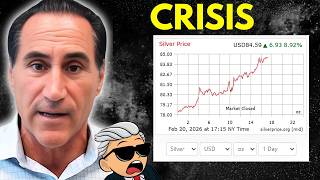
Preview:This interview centers on Michael Pento’s argument that the recent collapse in silver and weakness in gold are not a simple inflation story. He says precious metals tend to do best when nominal and real rates are falling, usually in recessionary conditions, and that the recent move higher in oil, better nominal data, and an ongoing Middle East war have pressured metals by keeping inflation and rate expectations from falling fast enough. He is structurally bullish on gold and silver longer term because he expects the Fed will ultimately have to monetize rising Treasury supply, cap rates, and create falling real yields in the next recession.
Preview:Michael Pento argues the Federal Reserve's massive money printing has created an unsustainable wealth gap and asset bubbles that must inevitably collapse. He believes Kevin Warsh will eventually be forced to print trillions, triggering a depression followed by intractable stagflation. In the near term, he sees disinflation opening the door for rate cuts, which is bullish for gold and miners — he recently doubled his gold exposure and bought miners. Longer term, he expects gold to reach $10,000/oz after the coming liquidity crisis and subsequent money-printing wave.
Preview:Andrew Maguire and Michael Pento present a dual bull case for gold. Maguire argues China is building infrastructure to challenge COMEX/LBMA price-setting, with the July 24th SGE Hong Kong clearing launch as a potential trigger for a global gold revaluation event. Pento makes a macro case that the Fed's next move will be a rate cut, not hikes, which would weaken the dollar and benefit gold and miners. Both see a major realignment underway, driven by central bank reserve diversification and a breaking paper-to-physical gold disconnect.
Preview:Michael Pento argues the market is wrong to price Fed rate hikes — growth and inflation are both slowing on a second-derivative basis, making the next Fed move a cut, not a hike. He has been loading up on gold, gold miners (GDX/GDXJ), low-volatility dividend stocks, and international equities. The recent weak jobs report validates his pivot. His structural thesis: the US economy is so over-financialized (equity market cap 235% of GDP, $40T debt at 720% of revenue) that positive real rates and genuine balance sheet tightening would trigger a depression. The long-term destination is hyper-stagflation, eventually requiring a currency and debt reset.
Preview:Michael Pento argues the Iran war headline is fading, while the bigger force is still an overextended financial system propped up by Fed liquidity. He says he remains long equities for now because he expects disinflation and easier conditions in the near term, but he is positioning for a future break in the bond market and a much more severe downturn.
Preview:An interview on Wall Street Bullion with Michael Pento argues that gold and silver are being driven by falling real rates, ongoing Fed money creation, and a stagflationary U.S. backdrop. He is bullish on precious metals and commodities overall, but says near-term oil spikes and higher nominal rates can pressure miners before the larger inflationary / monetary impulse reasserts itself.
Preview:Michael Pinto argues that the U.S. is in a long-running asset bubble regime driven by Federal Reserve balance-sheet expansion and interest-rate suppression, and that the first break will likely come in credit before stocks and real estate. He says the current setup points to stagflation, higher long rates, and eventual large drawdowns in equities and housing if the Fed keeps monetizing deficits.
Preview:Michael Pento argues that U.S. markets are sitting on a three-part bubble in equities, credit, and real estate, and that the next major move is a credit-market break followed by a 30%+ stock drawdown. He says Fed balance-sheet policy is the key catalyst: if the Fed keeps shrinking QT stops or reverses, inflation and credit stress worsen; if it tightens again, the economy cracks instead. His defensive positioning is gold, silver, energy, and agriculture, while he is wary of bonds, semiconductors, private credit, and AI-related capex.
Preview:Michael Pento argues the US economy is in stagflation (his "Sector 5"), driven by a triumvirate of asset bubbles — equities, housing, and credit — now worsened by an Iran-driven oil price shock. The Fed is trapped: cut and inflation accelerates, hold and debt becomes unserviceable. Pento sees the consumer bottom 80% as eviscerated while Wall Street thrives on Fed liquidity, creating a bifurcated "I-shaped" economy. He is long equities since March 2023 but positioned near the exit, and argues passive 60/40 portfolios are doomed in this regime. His framework tracks the second derivative of inflation and growth to rotate across sectors.
Preview:Egon von Greyerz and Michael Pento argue that the Western economy is entering the late-stage collapse of a monetary era, driven by unsustainable debt, currency debasement, and a bond market that can no longer absorb deficits. Gold will rise by multiples from here as a permanent wealth-preservation shift takes hold, not a speculative trade. Silver should move even faster. Pento adds tactical caution: he is not bearish on stocks now but watches for a summer recession catalyst. Both frame the coming years as a massive wealth transfer from paper to real assets.
Preview:Michael Pento argues the market is underpricing a messy mix of Iran/Strait-of-Hormuz risk, sticky inflation, and weakening consumer support. He says oil near $90-$100 a barrel, the Fed still considering cuts despite 3.3% inflation, and drained consumer savings could set up a sharper market downside by summer.
Preview:Adam Taggart interviews money manager Michael Pento, who argues that a war-driven oil shock is accelerating a break in the credit cycle and could be the catalyst that pops the long-running bubbles in stocks, credit, and real estate. Pento says he is moving defensively, holding mostly cash/T-bills and commodities, and expects much lower real returns, more volatility, and a recession/depression-style demand destruction after the initial stagflationary spike.
Preview:Michael Pento argues the current mix of war risk, oil spikes, weak job creation, and heavy debt is producing a stagflationary setup that is bearish for the dollar and supportive of gold and silver. He says the market is still investable tactically, but the larger structure remains a multi-bubble, credit- and equity-heavy system that he thinks is becoming more fragile.
Preview:Michael Pento says he remains constructive on gold over the long run but thinks silver has become overextended and may chop around near $70 before another leg higher. His broader message is that debt, repo-market fragility, and stagflation risk make precious metals attractive, even as he sees near-term tactical caution.
Preview:Michael Pento argues the economy is propped up by extreme debt, liquidity injections, and multiple overlapping bubbles, making the system fragile and vulnerable to a sharp reconciliation. He expects easier short rates but potentially much higher long rates if the Fed shrinks its balance sheet, and he says the long-bond market is the key stress point.
Preview:Michael Pento argues that the apparent strength in U.S. growth is not sustainable because nominal GDP is running well above what bond yields can support. He thinks the real story for 2026 is a global bond-market repricing led by Japan, a likely rise in U.S. long yields, and eventual Fed intervention that would be inflationary rather than stabilizing.
Preview:Michael Pento joins host Danny on CapitalCosm to argue that gold and silver's rally signals an increasingly unstable macro regime. He sees the US as insolvent, trapped in stagflation, and heading toward a repeat of deeply negative real rates. Pento is tactically cautious on platinum near-term but structurally bullish on precious metals, warns that AI overinvestment and an unmoored long end of the bond market are the two biggest crash catalysts for 2026, and advocates active management over passive 60/40 portfolios.
Preview:Jesse Day hosts a panel with Todd Horwitz and Michael Pento arguing that the Fed’s new “reserve management purchases” are effectively another round of QE that will debase the dollar and worsen inequality. They are strongly bullish on precious metals, especially silver, and see the housing market, Japanese bond yields, and AI-led equity concentration as warning signs of a larger bubble and possible 2026 downturn.
Preview:Michael Pento argues that 2026 is setting up for a bond-market blowup driven less by recession than by extreme fiscal and monetary accommodation, especially if long rates move above 6%. He says that would hit housing, credit, and equities simultaneously, and he thinks the recent Fed pivot has only delayed— not removed— the risk.
Preview:Michael Pento argues the dollar is on the verge of a major break, the Fed will eventually be forced into monetization/QE to cap long rates, and that this combination of fiscal excess, inflation, and rising yields could create a dangerous window where stocks fall hard before policy relief arrives. He remains net long equities but is positioning for a 2026 setup dominated by precious metals, energy, short-duration debt, and a short equity hedge.
Preview:Michael Pento says he has reduced risk and is moving more defensively because several liquidity gauges are flashing caution: the yen carry trade is under pressure, reverse repo liquidity is gone, bank reserves have fallen, and the real Fed funds rate remains positive. He thinks the recent selloff in Bitcoin, AI, and speculative metals may be the market’s way of signaling a broader liquidity problem, not just a normal correction.
Preview:Michael Pento of Pento Portfolio Strategies joins Wall Street Bullion to argue that the US faces three giant bubbles — equities, real estate, and credit. He has cut his portfolio from 40% to 15% net long, citing an incipient liquidity crisis driven by the reverse repo facility draining and yen carry trade risks. He remains cautiously bullish on gold long-term, favors defensive stocks and short-term bonds, and is lightening platinum/silver/copper. His base case is that a liquidity crunch would trigger Fed QE and helicopter money, ultimately supercharging gold.
Preview:Michael Pento argues the market is entering a liquidity and credit unwind, with tighter financial conditions, widening credit spreads, and multiple bubbles (stocks, housing, credit) vulnerable to a sharper break. He is bearish on Bitcoin and other cryptocurrencies as liquidity-sensitive assets, remains long-term bullish gold, and says the likely policy response is more money printing/QE that may worsen the long-bond and inflation problem rather than solve it.
Preview:Michael Pento warns that the US economy sits atop three massive, record-sized asset bubbles (equities, housing, credit) that are now so large they cannot be allowed to pop without causing a depression. The Fed has resumed balance-sheet expansion and rate cuts despite above-target inflation. The crucial risk: when the next recession arrives, the traditional policy response of massive borrowing and money-printing may not rescue markets but instead cause long-term yields to spike, destroying asset prices with no policy remedy available. He advises active management over buy-and-hold and notes his model remains net-long for now because second-derivative macro data has not yet turned negative.
Preview:Michael Pento argues that the U.S. is living inside three concurrent bubbles—equities, credit, and real estate—and that the Fed’s rate cuts and end to QT are prolonging the distortion rather than fixing it. He remains net long for now because his process is designed to ride the bubble while watching for signs of credit stress, but he says the eventual unwind could be longer and uglier than 2008 if higher long-bond yields and stagflation collide.
Preview:Michael Pento argues the market is sitting on a record-sized trio of bubbles in credit, real estate, and equities, and that the most likely trigger for a major decline is a credit-market fracture that pushes interest rates higher, forces a cascade lower in assets, and then provokes another Fed/Treasury rescue. The second half of the video is a more balanced exchange with New Harbor Financial, who broadly agree on elevated risks and the usefulness of hedging, but disagree on timing, the long bond, and how close the system is to breaking.
Preview:Michael Pento, active money manager at Pento Portfolio Strategies, discusses the sharp October 21 selloff in precious metals (gold down ~7%, silver down ~8%). He argues nothing fundamental has changed: the Fed is cutting rates, ending QT, and already expanding its balance sheet; deficits remain at $1.8 trillion; and foreign central banks continue shifting reserves from Treasuries into gold. Pento calls the selloff a healthy, necessary pullback in an ongoing secular bull market. He warns that the US is an insolvent nation heading toward intractable stagflation and a bond market crisis, which would be the signal to exit risk assets entirely. He critiques the traditional 60/40 portfolio as obsolete given that stocks, bonds, credit, and housing are all in simultaneous bubbles at historically extreme valuations.
Preview:Michael Pento argues the Fed is keeping rates too loose for too long, which is inflating gold, silver, platinum, housing, credit, and equities. His base case is that repeated cuts, balance-sheet expansion, and rising deficits eventually push the long end of the bond market higher, triggering a housing-and-equities unwind and a stagflationary reset.
Preview:Michael Pento, portfolio manager at Pento Portfolio Strategies, delivers a deeply bearish macro view: the US is a "banana republic" where the Fed falsifies asset prices via rate cuts and monetization. He predicts a 30-50% market crash triggered by rising long-end bond yields as inflation and US insolvency become undeniable. Pento sees intractable stagflation ahead and advises gold, silver, platinum, energy, uranium, and select foreign stocks while warning that Mag 7 names could drop 70%+ in a recession. The interview with host Ivan covers precious metals, the K-shaped economy, and the destruction of the middle class.
Preview:Michael Pento argues the U.S. economy is already weak, stuck in stagflation, and headed for a worse downturn that could culminate in a 30–50% stock-market drop. He ties the outlook to negative immigration, inflation eroding the middle class, frozen housing, rising delinquencies, and what he sees as dangerous Fed rate cuts into inflation.
Preview:Michael Pento argues the US is now a full-blown "banana republic" — bankrupt, with untrustworthy data, mounting inflation, and a Fed trapped between a bond market that will spike long rates if it cuts and a weakening economy that needs cuts. He is still net long equities but warns the bubble in the top 10 S&P 500 stocks is about to crack. Two paths: a deflationary bust (Japan 1989) or an inflationary collapse (Weimar/Zimbabwe). He holds gold and platinum (~9% combined) and expects to increase precious metals exposure dramatically next year. The exit door will be narrow when the plug is pulled.
Preview:Michael Pento argues that the US is sitting on multiple interlocking bubbles — equities, credit, and real estate — inflated by years of negative real rates and now made more fragile by tariffs, huge deficits, and potential rate cuts into persistent inflation. He is bullish on gold and hard assets, skeptical of cryptocurrencies in retirement accounts, and thinks the biggest near-term risk is that a weaker economy collides with policy easing and a bond-market revolt.
Preview:Michael Pento argues that the U.S. sits atop a fragile “triumvirate of bubbles” in credit, real estate, and equities, and that the market’s rebound does not erase the underlying vulnerability. He says his model kept him mostly defensive, heavy in T-bills, because valuations are stretched, debt is extreme, and a future bond-market revolt could force a broad repricing of assets. The follow-on discussion with Adam Taggart and New Harbor Financial largely agreed on the long-run risks while emphasizing that timing is still uncertain and that investors should not blindly chase the latest rally or panic into a crash call.
Preview:Michael Pento, president of Pento Portfolio Strategies, lays out his thesis that the US is heading toward a "grand reconciliation" where credit, stock, and real estate bubbles all pop, triggered by the bond market. He's currently net-long equities but only cautiously — he sees mid-single-digit upside at most, thinks short-term Treasuries are a better risk/reward, and expects the catalyst to be the next recession (likely 2026), when a Fed chair replacement will slash rates to zero and cause long-term yields to spike. His favored hedges are gold, platinum, and eventually silver, framed as beneficiaries of a dollar exodus.
Preview:Michael Pento argues the U.S. economy is weakening beneath superficially better headline data, with labor market cracks, shrinking labor force growth, sticky inflation, and rising oil/tariff pressures making the Fed reluctant to cut. He sees that backdrop as bullish for hard assets—especially gold, with platinum as a catch-up candidate and silver as a smaller secondary play—while warning that long-duration Treasuries are no longer a safe ballast.
Preview:Michael Pento sees US markets in a trading range, fully valued at 22x projected 14% earnings growth. He maintains a defensive but not net-short posture. His core thesis: the long end of the bond market is the pin that will burst simultaneous equity, bond, and real estate bubbles. Tariffs at 10% baseline (30% on China) are a depressant to growth, while the national debt path ($37T heading to $67T by 2035) guarantees eventual stagflation or depression. He uses a 20-point model to time the credit-market catalyst and advocates active management over passive 60/40 portfolios.
Preview:Michael Pento argues the recent US–China tariff rollback is a relief but not a clean bullish reset: tariffs are still structurally higher, policy is highly discretionary, and market pricing already reflects a lot of good news. He says recession risk has been delayed rather than eliminated, liquidity conditions remain fragile, housing is severely stretched, and the bigger portfolio implications are to stay selective—favoring gold, energy, agriculture, and aerospace/defense while remaining wary of expensive growth stocks and long-duration risk.
Preview:Michael Pento delivers a deeply bearish macro thesis: the US is entering a tariff-induced recession that the Fed cannot rescue because inflation is too high and the government is insolvent. He argues the S&P 500 at 5,500+ is pricing fantasy earnings growth of 9% while GDP is contracting, supply chains are seizing, and layoffs are spreading. Real estate inventory is spiking 30% nationally with record price cuts as the COVID migration wave unwinds against 7% mortgage rates. His most structural claim: gold is supplanting the dollar as the world's reserve currency because foreign holders (China, Japan) are fleeing Treasuries amid trade-war disruption and sanctions risk, and the Fed is boxed in — it cannot QE without causing intractable inflation and spiking long-term yields.
Preview:Michael Pento argues that the apparent policy reprieve is temporary and that the bigger setup is still inflationary debt monetization, weakening growth, and eventual recession risk. He says the Fed is protecting asset prices and bank balance sheets rather than purchasing power, and he expects weak real GDP, declining home prices, and eventually another round of Fed easing/QE after markets fall.
Preview:Michael Pento argues the market has already entered the correction he warned about, with the S&P 500 down around 6% from the mid-February high and the Nasdaq down about 15%. He says valuations were extreme, the Fed is constrained, tariffs are adding uncertainty, and gold and short-term Treasuries are the cleaner places to hide while he waits for tighter credit conditions before turning more aggressively short.
Preview:Michael Pento argues the market and housing are still priced for perfection while liquidity is fading, making a sizeable drawdown more likely than not if current policy and liquidity trends continue. He recommends active risk management, emphasizes his model is not yet fully in the “Four Horsemen” regime, but says the probability of a liquidity crisis later in 2025 is high enough to prepare for seriously.
Preview:Michael Pento argues the U.S. is sitting on a three-way bubble in equities, housing, and credit, and that the Fed’s easy-money regime has already inflated asset prices and hurt lower-income households. He is bearish on overexposed equities, constructive on physical gold, and strongly skeptical of crypto at current prices, while calling for active, defensive portfolio management rather than passive buy-and-hold.
Preview:Michael Pento argues that massive post-COVID liquidity still supports markets but extreme equity valuations and mounting fiscal risks make this one of the most dangerous times for passive investors. He sees two potential catalysts for the next crisis: reserves falling to levels that freeze money markets, or a spike in long-term Treasury yields driven by inflation and insolvency fears. His most provocative theory: gold's relentless rise despite headwinds may reflect the US government scrambling to replace gold it has hypothecated or never actually held. He advocates holding short-term T-bills and inflation hedges while waiting for his model to signal the next liquidity event.
Preview:Michael Pento argues that U.S. equities, credit, and real estate are all in a large, synchronized bubble that is likely to break from record levels, potentially with a 50% drawdown or worse. His core framing is that post-COVID liquidity and ultra-easy money inflated asset prices, but that liquidity is now draining, which could expose the system to recession, deflation, and forced policy responses.
Others tracked across the same asset focus or market thesis.
Unlock every transcript this speaker appears in, compare them with your other followed voices, and ask the agent for the bull, bear, and consensus read in one workspace.
Type a question. Create a free agent to send it and keep the answer linked to this speaker.
Your question is preserved across sign-in.
Free. No card. Takes about a minute.