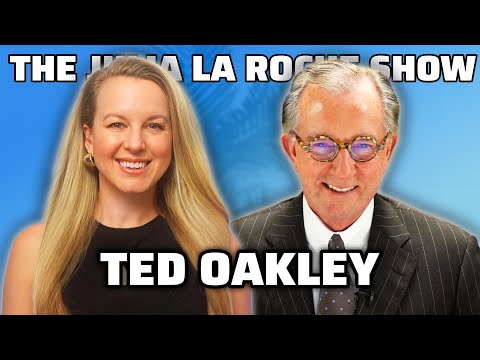
Ted Oakley
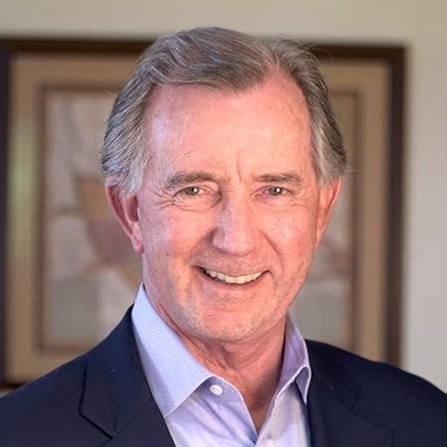
Oakley’s recurring economic worldview is that markets periodically become dangerously overextended through speculation, concentration, and easy-money behavior, and that investors…
📈 See how Ted Oakley's thesis changed over time →Preview how this speaker shows up across market transcripts. Unlock the full archive, AI chat, and the version personalized to your watchlist, followed channels, and favorite speakers.
Speaker snapshot
Research profile
Ted Oakley is the founder and managing partner of Oxbow Advisors, and his public commentary is consistently shaped by a long-cycle, value-conscious investor mindset. Across these interviews he presents himself as a seasoned portfolio manager focused on capital preservation, pricing discipline, liquidity, and avoiding crowded trades. He repeatedly contrasts Wall Street momentum with what he sees as the real economy, and he tends to frame markets through historical analogies from the late 1970s, 1987, 1999-2000, and 2007-09.
Economic vision
Oakley’s recurring economic worldview is that markets periodically become dangerously overextended through speculation, concentration, and easy-money behavior, and that investors should expect sharp mean reversion after prolonged complacency. He argues today’s market is unusually narrow, with a small group of mega-cap and semiconductor names driving indices while leveraged ETFs, single-stock speculation, IPO frenzy, and momentum chasing amplify volatility. He sees the economy and markets as increasingly disconnected: the consumer is under pressure, debt is unsustainable, and high long-term rates raise the odds of a more difficult regime. His preferred response is to keep liquidity, buy selectively only when valuations are attractive, and lean toward hard assets and neglected cyclicals—especially energy, commodities, and, at times, precious metals—rather than paying up for popular growth.
Reliability notes
- Admin-validated speaker with linked X / Twitter profile.
- Preview built from 26 analyzed appearances.
- Latest tracked appearance: 2026-07-16 09:00.
- Most often seen on The Julia La Roche Show.
Themes and assets
Most discussed assets
Transcript previews
Every analyzed appearance we have for this speaker, newest first. Open any transcript preview to read the underlying transcript.




Related speakers



Create your free research agent
Unlock every transcript this speaker appears in, compare them with your other followed voices, and ask the agent for the bull, bear, and consensus read in one workspace.
- Full transcript archive for this speaker
- Personalized relevance to your watchlist
- Cross-speaker comparisons inside your workspace
- AI chat about this speaker’s thesis
- Track how their view changes over time